
The treatment of asylum claimants takes centre stage
May 2025
The question of immigration and boat people continues to make political waves although survey results recently suggest it has dropped down the list of people’s concerns. ONS surveys show that the NHS and the cost of living are of most concern and were the issues which came up in last weeks elections. Only among the over 70s did immigration and such matters have high salience.
There has been much debate in recent weeks about Article 8 of the Human Rights Act, the one that concedes a right to a family life to irregular migrants under threat of deportation. Some political parties wish to remove this right, and the government say it is “under review”. The issue is whether or not this right has been exploited by people whose claim is questionable. Baroness Kennedy has taken up the issue on behalf of claimants.
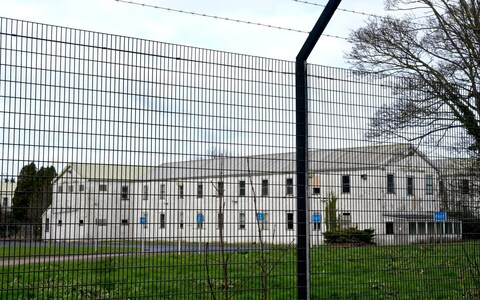
Indeed, the treatment of asylum claimants after their arrival has taken centre stage lately. Some who were held at the notorious Manston camp have sued the government over the associated health issues. The unfortunate camp is now under attack over the level of drug abuse by staff working there.
The Home Office is eager to reduce the waiting time for appeals from its current 50 weeks to 24. This is not made easier by the downward trend in initial refusals. A further government action has been to declare that proven sex offenders will be denied asylum. It is not known how many applicants may fall into this category. Also on the Government’s mind (as part of the ongoing Border Security Asylum and Immigration Bill) is that lawyers should not be allowed to advise claimants unless properly qualified. The Bill will reach its Report stage in the Commons on Monday and more changes have been promised.
Profits
While much noise has been generated by the possible big profits obtained by the small boat providers, a research team from four UK universities has been looking at the profits made by companies in the border security business. Their report concludes that worldwide the business is worth $377 billion, and in the UK £3.77 billion in contracts with the government, for a wide range of activities (e.g. boat repair, sniffer dogs, marquees). The information is not easy to come by and may well be an underestimate.
The European Commission has proposed setting up a Common European System for Returns (though it is not in the 2024 Migration and Asylum Pact), with processing hubs in third countries (as Italy has tried to do with Albania, but hit legal obstacles). Perhaps surprisingly, the UNHCR has endorsed the idea. It is said that only 20% of people with a deportation order are effectively removed from the EU.
Elsewhere
Much is happening in Greece, notably sentences of 25 years for smuggling (most of which have landed on the pilot). Crete has had 2,500 migrants from Africa in the last year.
Syrian refugees are still in limbo as the government waits to see developments post-Assad. 100,000 are in Europe awaiting recognition as claimants, while the in-power HTS is still listed as a “terrorist organisation”.
Reports that the US sent an Iraqi asylum seeker to Rwanda seem to be supported by news that the White House is in talks with the Rwanda government about sending deportees there, probably to facilities built by the UK.
Notes from elsewhere – 12,000 central African (or Central African?) refugees want to go home from Chad and Cameroon, but there is no support structure to enable this; the UNHCR, on its 75th birthday is warning of a funding crisis; 250,000 exiles have been sent back to Afghanistan from Iran and Pakistan (96,000 forcibly) and are expected to head for Europe.
Finally, AIUK have a briefing paper on the asylum seeker backlog and how to resolve it. In their conclusion they say:
‘Backlogs have recurred in the asylum system for decades because successive administrations have pursued bad policies. They have tried to avoid responsibilities rather than take them. Their efforts at deterring and preventing people seeking asylum have broken the system and had other bad effects. This has generally been because they have set aims for the system that are impractical, even illegitimate. Asylum responsibilities cannot be avoided. They can, however, be managed badly or managed well. Fair and efficient decision-making is critical to managing well and avoiding backlogs’.
And a new Urgent Action asking people to write to the Belgian authorities about their refusal to supply accommodation or assistance to 2,500 asylum seekers.
Recommended reading: Nicola Kelly: Anywhere But Here; How Britain’s broken asylum system fails us all (Elliott & Thompson, 2025)
Andrew Hemming

 Amnesty in Salisbury & South Wiltshire