
Speaker at the Exeter conference on the problems of LGBTQ+ rights in Malawi
March 2026
We were delighted to hear first hand of the continuing problems being experienced by LGBTQ+ people in Malawi. Eric Sambisa (pictured), who is currently at the Dundee Human Rights Centre, gave a talk at the Exeter conference on these problems. Eric is the founder of Nyasa Rainbow Alliance and was the first to come out on TV as gay is his country in 2016. Currently, he is focusing on women’s rights.
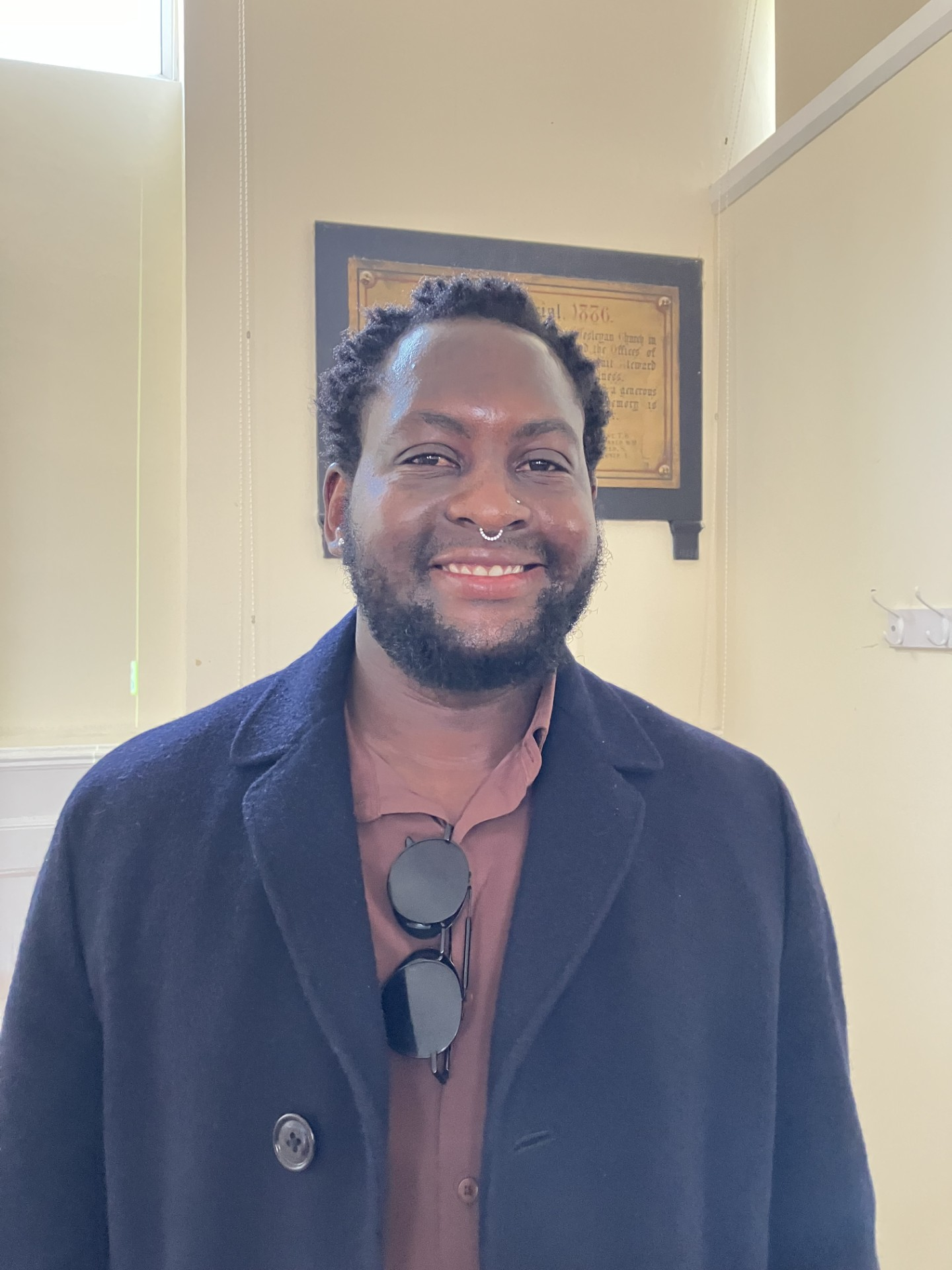
He explained that section 153 of the country’s penal code prohibits sex between consenting adults, a provision which derives from the time when it was a colony of the British. Up until the ’60s such activity was illegal in the UK. To be open in this way in Malawi has its risks and individuals have suffered violence. The offices have been attacked and laptops and files taken.
He mentioned the case of Jana Gonani who was arrested and imprisoned in December 2021. Gonani, a 29-year-old Malawian trans woman, is currently serving an eight-year sentence at Chichiri men’s prison in Blantyre City for two counts of “false pretence” – for presenting as a woman – and one count of “unnatural offence” – both crimes under the country’s colonial era penal law. With help of the Rainbow Alliance, an appeal was mounted to the High Court.
There have been many attempts to change the law in Malawi, so far unsuccessfully. Sambisa was not expecting a change ‘any time soon’ he said. Unlike Uganda and Kenya, there are no attempts at a legislative change. Religious interests and pressure is quite strong. An interesting side note is that prior to becoming a colony, names in Malawi were not gendered.
‘Legal provisions are reinforced by social attitudes. A large proportion of Malawians oppose same-sex relationships. Religious and traditional leaders have been vocal in their opposition to LGBTQI+ rights, organising protests and reinforcing discriminatory attitudes. As a result, many LGBTQI+ people face significant challenges: they are often disowned by their families, lose their jobs or are evicted from their homes. The recent Constitutional Court decision to uphold the criminalisation of homosexuality will only exacerbate the situation, because many will interpret it to mean there’s no place for LGBTQI+ people in Malawi’ (Civicus.org). Sambisa pointed out it is the state which loses out by denying the rights of such people.
Picture: Salisbury Amnesty. This was one of the talks at the Exeter conference organised by the Exeter Amnesty group.
Recent posts:
- Government deceit concerning arms exports
- Human Rights and the Abuse of Anti-Terrorism Powers
- Global Refugee Crisis: Current Statistics and Trends
- Monthly death penalty report
- Petition reaches major milestone
Why not become a subscriber? It’s free.

 Amnesty in Salisbury & South Wiltshire