
Title of a talk organised by the Southampton Amnesty group
March 2026
“Sportswashing” has entered the vernacular and is broadly defined as the practice by governments, or other powerful organisations, of sponsoring or hosting a sports team or sporting event in order to promote a positive public image and distract attention from human rights issues or unethical or criminal activity. In a sense it has always been with us, witness the Roman circuses and the quote attributed to Juvenal about giving people ‘bread and circuses’ (panem et circenses) by emperors to win approval of the masses. The communist regimes were keen to use sport to promote their ideology.
This talk focused largely on today’s issues and in particular the role of football in society. It was delivered by Miguel Delaney who is the chief football correspondent for the Independent. It was the annual human rights lecture organised by the Southampton City Amnesty group in collaboration with Southampton University.
Football looms large he said because although many other sports are used by governments to enhance their reputations, football has massive worldwide coverage and often finds its way into the news matched only by the Olympic Games. Millions, even billions, follow it worldwide. It has become massively politicised. Delaney thinks that the issues today probably started with Berlusconi’s acquisition of Inter Milan. This was a naked attempt to use sport to promote a politician but also the principle of neo-liberalism. Perhaps it was no coincidence this took place in Italy. It was a ‘power there to be exploited’ he argued.
Money became more and more of an issue and with it, the ability of clubs to pay huge sums for key players. It has not always bought happiness on the terraces he claims with fans feeling priced out of the game. [If you have not attended a premier league club game in recent years you may find a ticket price of £519 to watch Manchester United play Bournemouth soon something of a surprise. There were some cheaper ones]. A few years ago there was a scandal about clubs changing their kit regularly to boost sales. This part of the talk was about football as a business and did not really touch on the human rights aspects of the game.
The take-over by Abramovich of Chelsea FC moved things up a gear, someone he described as having an ‘unprecedented level of wealth and mystery’. Aspects were not a mystery namely his past as a former KGB officer and the acquisition of his wealth as one of the post Yelstin Oligarchs. He mentioned Putin at this point who he claimed ‘wanted Abramovich to buy Chelsea [as a means] to gain acceptance into [British] society through sport’. He referenced the book Putin’s People: How the KGB took back Russia and then took on the West by Catherine Belton (pub: William Collins, 2020) which he recommended.
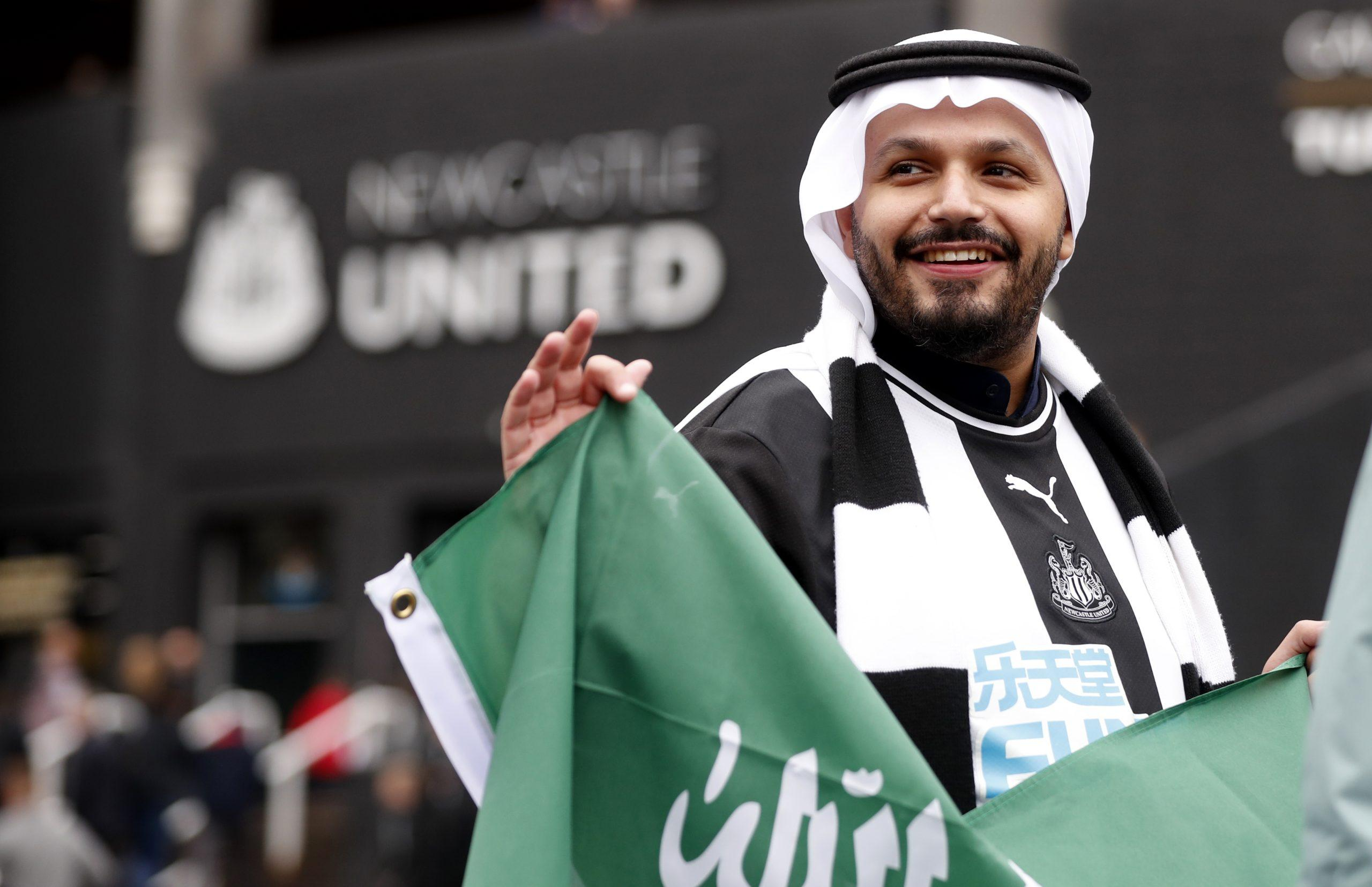
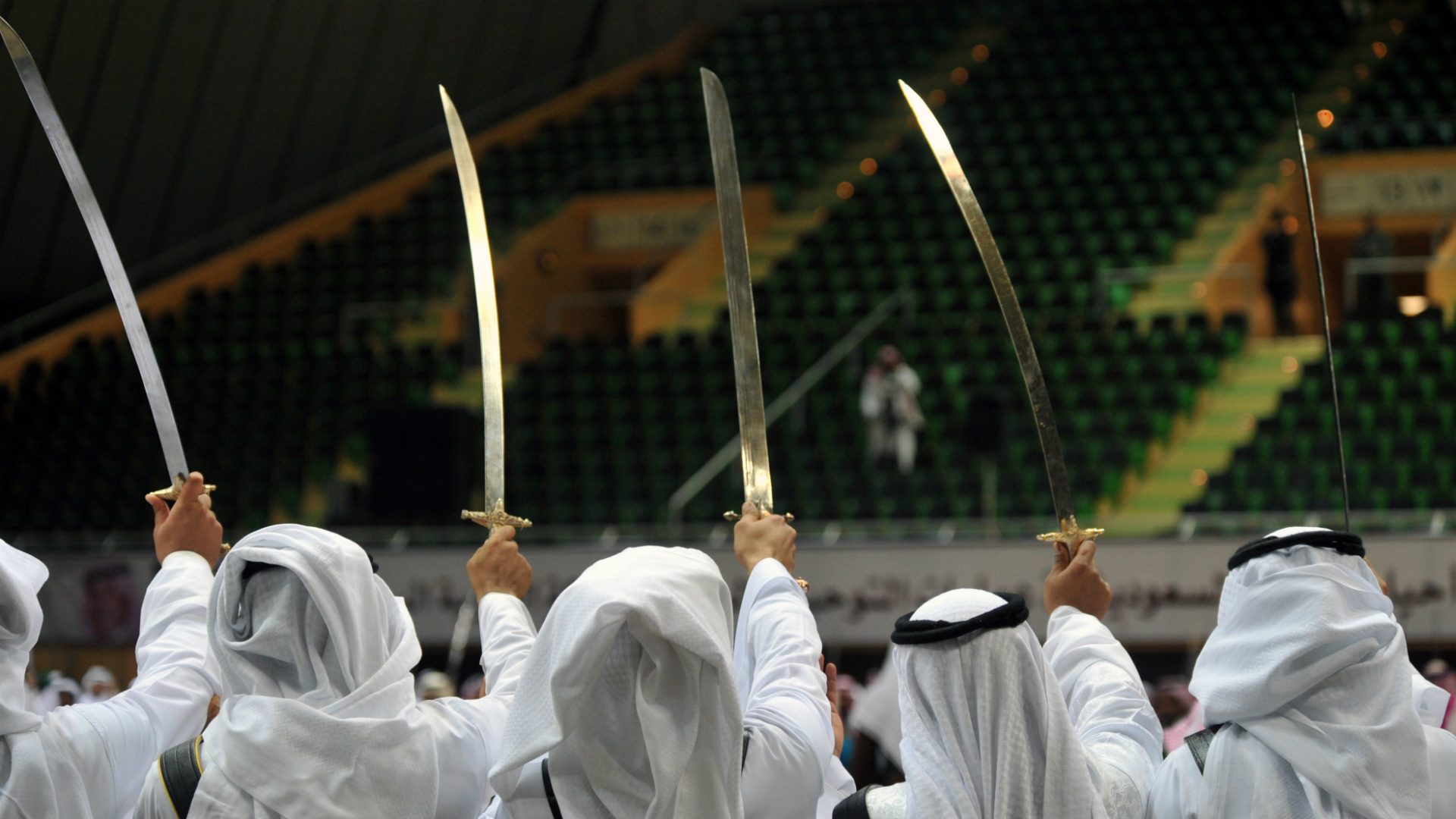
Much of his talk was about exploitation of the sport by, mostly, autocratic regimes. The purchase of clubs including British ones like Newcastle United and Manchester City. He touched on the reaction of supporters suggesting that they do not, on the whole, seem to care about the human rights of the autocratic owners. In the Gulf states for example, human rights abuses are legion: torture is widely practised, women have very few rights, there are massive executions, opposition does not exist neither does a free press. He also touched on the rampant corruption of the sports governing body, FIFA.
Conclusion
Football is hugely significant and is followed by millions around the world. It is not surprising it has come to the attention of corrupt regimes wanting to gain influence. Fans seem not to mind and there is little real concern expressed by ministers about their malign influence. Perhaps more could have been made of the kafala system where workers in the Gulf states are bound to their employers and subject to considerable exploitation. Many have died working on the glitzy projects including stadia. This system is a major infringement of rights.
It seems all too easy for these regimes to acquire clubs and to host tournaments with limited controls.
Few fans seem interested although it has to be questioned that despite the billions spent by the Gulf states on all its sportswashing activities, they still do not enjoy that good a reputation. Their influence comes from the oil they produce and the billions they spend on buying arms from the West. It is this which buys the complicity of our politicians, not the ownership of a football club or hosting a golf tournament.
Interesting talk and well done Southampton City Amnesty organising it.
Previous posts:







 Amnesty in Salisbury & South Wiltshire