An Israeli and a Palestinian debate


Debate between the two at the Festival of Humanism over the weekend

June 2026

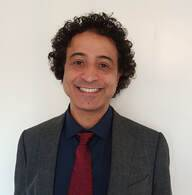
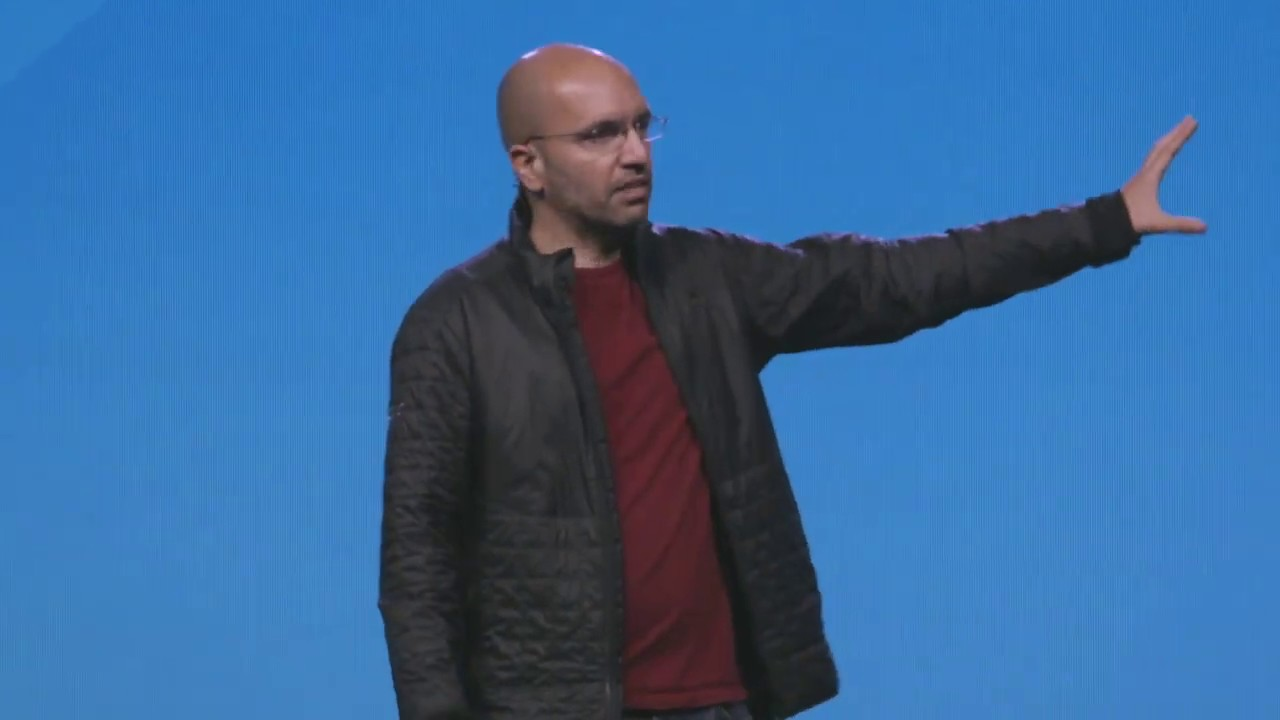
So popular was this debate that many couldn’t get in so it was repeated the following day in a bigger hall. The two speakers were Yaniv Aknin who is a British-Israeli software engineer currently working in London. He was born and raised in Israel but left in 2013. Jasr Kawkby is a British-Palestinian paediatrician currently working in East London. He was raised as a Muslim in Palestine.

It would be usual in a write-up of this kind to discuss what A said then to discuss B, making clear thereby who said what. We will not do this in this instance and just discuss what was said by both. These are some of the points made:

  • It was pure chance where you were born and whether you were Moslem, Christian or Jew.
  • Language was important. To call what happened a ‘war of independence’ was quite wrong. It was a colonial war. To live in a land where the ‘natives’ were expelled and prevented from returning was morally wrong.
  • Armed resistance has made life more difficult for those it seeks to support. It has alienated foreign support.
  • Suffering has been inflicted on those with no responsibility for the plight of Jews [in history].
  • Israel must stop its barbaric actions [for example] denying food aid in Gaza and must respect the rights of Palestinian prisoners in Jewish gaols.
  • [In answer to a question] the conflict was about land: religion was very much a secondary factor. It was however a complicating factor.
  • Zionism was a wrong ideology.
  • Most destruction of human life was by Israeli forces [meaning the IDF from other comments he made].
  • Pressure should be applied to Israel until it complies with human rights. We must recognise the oppression of Palestinians.
  • The lack of unconditional support from the West seen as a betrayal or anti-Semitism.
  • Religion was a catalyst for violence: how can we spread non-religious ideas? [This was a Humanist conference].
  • We should not be selling arms to Israel.

You might believe some of the answers are obviously from one ‘side’ or the other. You may well be wrong. There were in fact some surprises. This is to illustrate that there are those from the region – whether Jew or Moslem – who see both sides and recognise some of the wrongs that are committed. Because so much air time is given to extremists, we can be led to believe that they are representative of the population as a whole. It demonstrates that perhaps there is some chance in the future for some kind of reconciliation. The interference by outside forces – discussed in our last post in relation to the Gulf – is a factor in the perpetuation of violence.

Images: Yaniv (top); Jasr (lower)

Recent posts:

Understanding the Hypocrisy in UK’s Gulf Policies


Brilliant speaker at the Festival of Humanism

June 2026

Dr David Wearing gave a brilliant speech to the Festival in Bournemouth on the role of the UK in the Gulf. He set his observations in an historical context and provided a cogent analysis of the way we, and other countries in the West, have supported the despotic regimes in Gulf. The recent trade deal was celebrated by the government with no apparent concern for the welfare and rights of its people.

He anchored his talk in the attitudes of Britain’s governing class making the distinction between ‘we’ meaning them and ‘we’ meaning the population at large. Some of the latter are not comfortable with how our governments have joyfully provided arms and succour to these regimes despite their appalling human rights record.

He pointed out the arrant hypocrisy of government ministers and others in the governing class, talking about ‘British power standing for free trade, the rule of law and democracy’, polar opposites of what is happening in the Gulf. We have consistently supported illiberal regimes and quoted a speech made by Tony Blair at the time of the Iraq war.

The 2011 Arab Spring saw uprisings in many North African and Arab states. They were gradually extinguished often by brutal means. He pointed out that the security forces were often trained by the West including the UK.

Oil

The history is basically about oil and its discovery in what was then Persia. Britain set up a series of protectorates around the Arabian peninsular with the primary objective of securing the safe supply of this valuable resource. As the rest of the world gradually moved towards more liberal regimes, the Gulf monarchies were supported first by the British and gradually by America as it became the power in the region.

One of his main points was how closely tied we are to these states. People are aware for example, of investment in football clubs like Newcastle and Manchester City. They are less aware of how much we need their money to fund our deficit. We are aware of the arms sales but less aware of the ‘soft’ exports of accountancy, legal and other services. The economies are closely tied with a high degree of inter-dependence.

He noted that we would find it difficult to support our arms industry without the sales to the Gulf states. Our low investment in defence (defense) is subject to political attention at the moment with the resignation of the Defence Secretary last week.

Self-deception

His main theme is the degree to which we tell ourselves stories. Britain was deeply implicated in the Yemen war with our people and the RAF closely involved in supporting Saudi forces in their bombing campaign. He spoke disparagingly about the head of the Army who talked about the ‘rules based international order maintaining peace and prosperity’. An almost baffling lack of awareness.

It was closely linked to a nineteenth century colonial mindset where we viewed the Middle East as populated by backward peoples in contrast with the civilised and advanced West. Rather forgets the contributions to optics, astronomy, medicine and mathematics from that region (the invention of algebra for example, and the words for the angles of a triangle are Arabic in origin). This thinking by the governing elite makes it easy to carry on supporting Israel with arms sales and ignoring the use of starvation as a weapon of war.

He touched briefly on the actual links between their monarchs are ours with visits by members of the Royal Family to the region and their visits here.

A fascinating talk which made explicit the ‘double think’ in our dealings with the region and where the ordinary voter is excluded from the debate. Money and arms sales dominate the thinking helped by a colonial mindset. Concern for the lives of political opponents, human rights activists and journalists, who are frequently arrested and held for years; the huge use of the death penalty, and the lack of rights of women does not seem to trouble our political leaders. Much play is made of Sir Keir Starmer’s (prime minster at the time of writing) background as a human rights lawyer, yet there is no sign of this, no sign at all, in his speeches on Gulf related matters.

His book AngloArabia – Why Gulf Wealth Matters to Britain (Polity Press) is available.


Recent posts:

Blog at WordPress.com.

Up ↑