UK Asylum Seekers: Current Trends and Challenges


Refugees and asylum seekers still consuming political capital

September 2026

With the return of Parliament this month, the Immigration and Asylum Bill is back in action. ย The Bill has passed its second reading and is now in committee stage. ย The most contentious parts are the refusal of family reunions, the extended time frame for residence, and the modern slavery definitions. ย An August meeting of the Regulatory Policy Committee of the House considered the Home Officeโ€™s impact assessment to be โ€œnot fit for purposeโ€, and Article 8 on modern slavery to be โ€œinadequateโ€.

Boat crossings

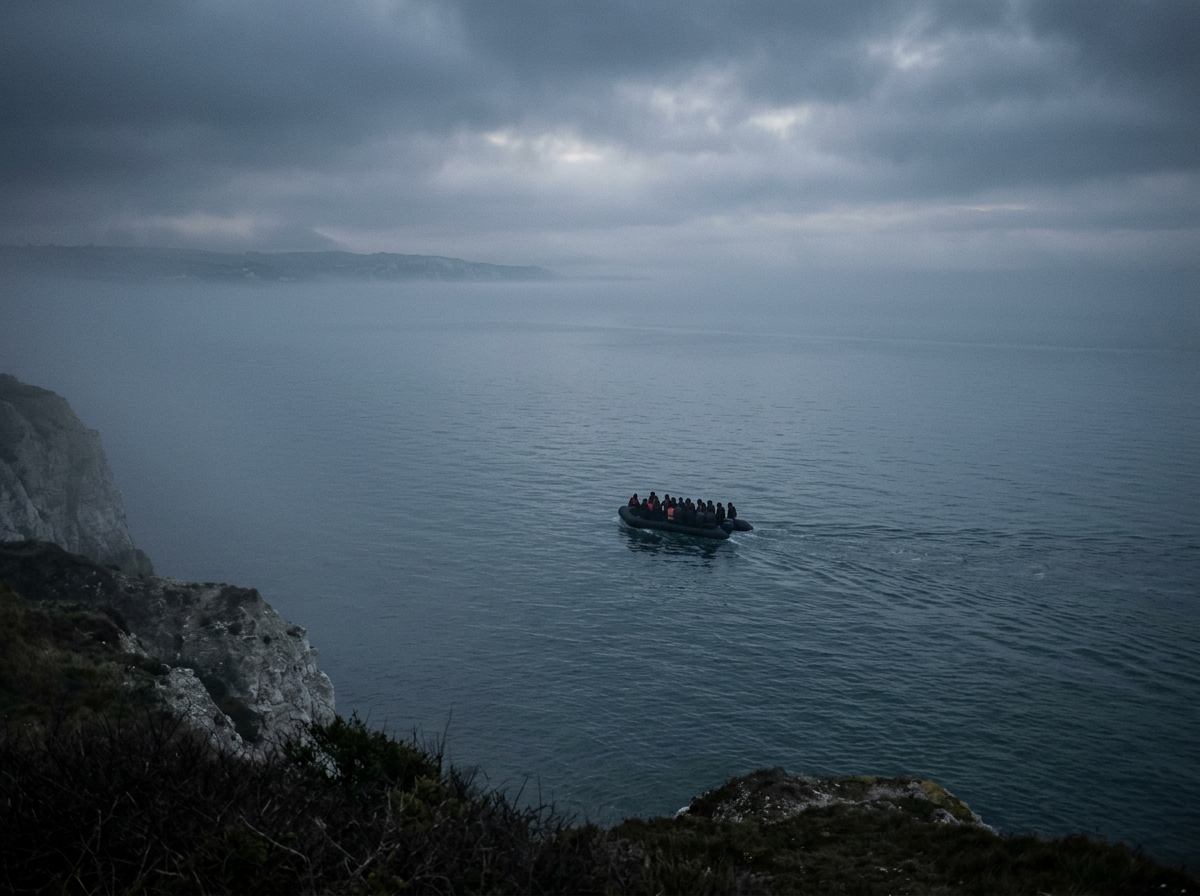
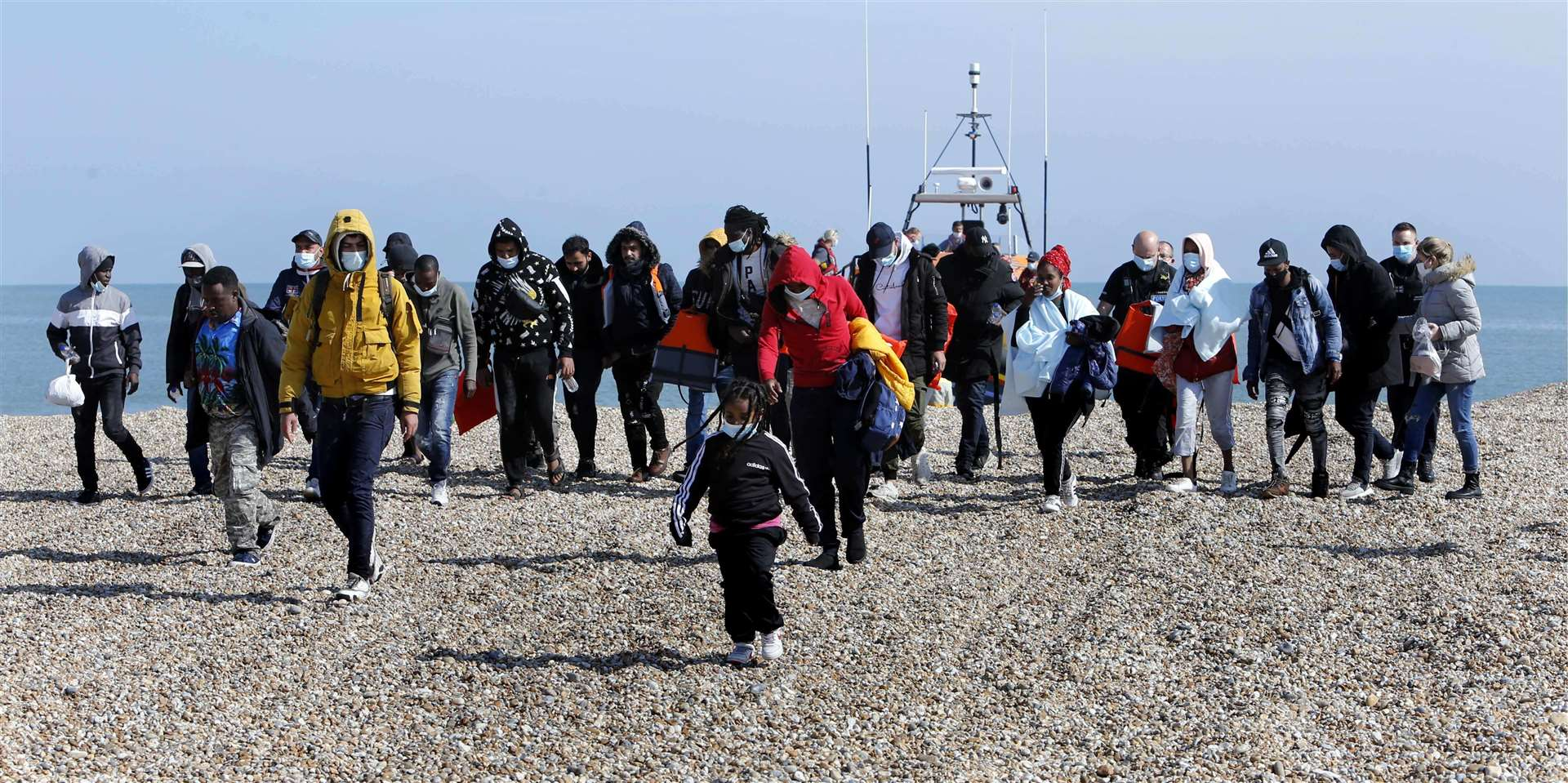
On the small boats front, numbers remain down (102 vessels between June and August, the lowest since 2019, but they are now much bigger boats, taking up to 230 people. Whereas in 2018, 7 was the average load, it is now 65). ย In 2026, 17,000 migrants have crossed the Channel so far. ย The backlog of pending cases continues to fall, down to 40,000, the lowest since June 2019, but the grant rate is falling as well, down to 38% acceptances (it had been up to 77%). ย 

With the resultant increase in appeals, the 24-week target for hearing appeals may be hard to achieve. ย Concern has been widely expressed that the new Independent Immigration Appeals Authority will be free to use non-qualified legal staff to adjudicate the appeals.

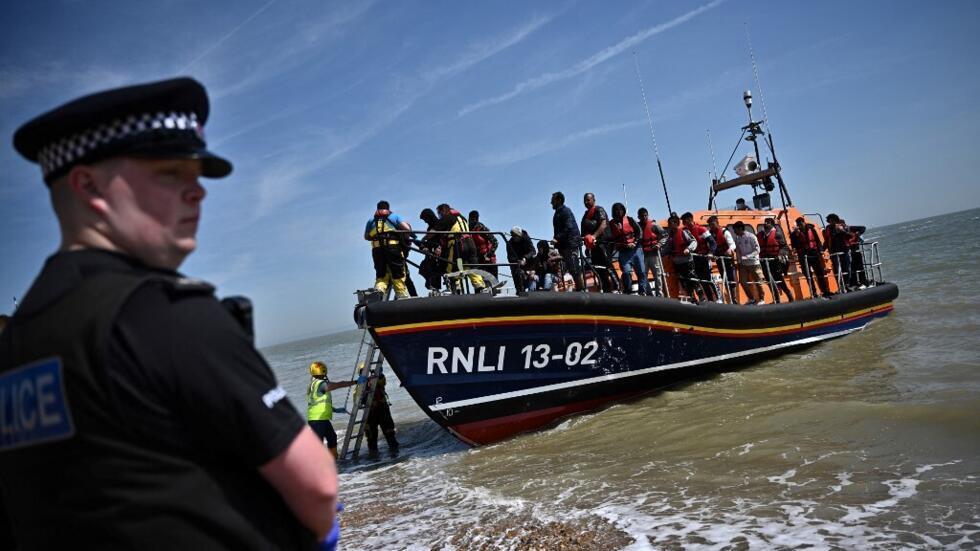
40,000 migrants were returned in the year to June, three quarters of them were โ€œvoluntaryโ€, mainly to Albania, Brazil, India and Poland.  The fine weather over the summer did not materially affect the numbers of crossings, which remain lower than recent years.  Other factors include more collaborative action with the French authorities, and seizure of 1100 boats, according to the National Crime Agency.

Migrants and asylum seekers who are already here continue to be the focus of interest.  By the end of June only 16,021 claimants were in hotels, but the 69,000 were in other temporary accommodation.

Beyond the statistics, public attitudes in the UK may not be reflected in the mainstream media.  A recent YouGov poll indicated that 75% of the public would distinguish between migrants and refugees and 59% thought that too much attention was paid to how migrants came rather than why.  Nevertheless, another poll revealed that 40% believed that more small boats were arriving this year than last, and only 22% (correctly) believing there were fewer.

Immigrants and crime

The OECD has observed that there has been little evidence of change in crime figures despite the amount of immigration. ย In the UK, convictions among non-UK citizens come out at about 12%, the same level as for the adult UK population. ย Higher levels of lawbreaking were observed among Afghansย (sexual offences) and Albanians (drugs) but not substantially. ย The Governmentโ€™s advisory guide for asylum seekers on British culture has not had any significant effect thus far. A feature of recent unrest at Portsmouth and Dover has been claims of high crime rates by immigrants.

Across Europe a similar trend is noticeable.  Despite the furore in Ceuta, numbers in the first quarter were down by 46% on 2025, but there were more deaths than previously.  Member countries of the EU nevertheless continue to be much engaged on the issue.  The European Parliament in June approved an overhaul of migration policy, expressly to speed up deportations.  EU interior ministers from 22 countries agreed to take โ€œany necessary measures to safeguard public order and address risks arising from secondary movementsโ€ (by which they mean migrants moving on from their first country of arrival).  The Schengen Agreement has already been suspended in certain places (notably in the spat between liberal Spain and hard-line Italy).  

The other big issue for the EU is the search for โ€œhubsโ€ outside the Union for removal of rejected migrants.  Five EU countries have agreed to sign deals. Rwanda and Uganda are said to be compliant, but the question remains as to who has the responsibility for such deportees.  The European Court of Human Rights is expected to adjudicate against the governments; the Council of Europe has already observed that the changes in policy pose โ€œconsiderable human rights risks.โ€

Climate

Finally, with ongoing climate change and a possible exceptional El Niรฑo, there has been much discussion of โ€œclimate mobilityโ€.  The UN Refugee Convention has nothing on the topic, and there is no legal category of โ€œclimate refugeeโ€, but the International Court of Justice has given advisory opinion recognising the issue.

AH


Recent posts:

Impact of Middle East Conflicts on Refugees in Turkey


War in Middle East and its effects

March 2026

Although war reporting generates a lot of commentary on the deaths of those caught up in the conflicts, the effects on refugees and those displaced receives much less attention. With the new war(s) in the Middle East, refugees are again in the news. So far, most displaced people have been moved within the countries of Iran and Lebanon, but Turkey in particular is being readied for an influx of refugees.  The European Union Agency for Asylum thinks here will possibly be large numbers of displaced persons as a result of the conflict, many of them heading for Turkey. The Institute for Migration estimates that as of now there are 19 million internally displaced in the region; the UNHCR have calculated in the last few days that 667,000 Lebanese have registered as displaced.

Home Secretary’s refugee plans

At home, the big story is the Home Secretary, Shabana Mahmood’s plan to reduce the length of protected stay of refugees from 5 years to half of that, during which time they will only have temporary refugee status. ย This will be subject to review every 30 months for up to 20 years. During this period claimants may be deported if, in the opinion of the Home Office, their country of origin has become deemed โ€œsafeโ€. ย A large number of Labour backbenchers are opposing the move, and the Law Society has observed that it might not comply with international law. Other objections have been that the plan will be costly (ยฃ872 million over a decade, according to the Refugee Council) and impractical. On 5th March, the Home Secretary revoked the legal duty to provide destitute asylum seekers with support and accommodation while their claims are processed, often for months or years. ย The Home Office have been influenced by the so-called โ€œDanish modelโ€, which takes a hard line on immigration.

Among the latest statistics to be released, the Home Office received up to 23,000 referrals of alleged human trafficking in 2025 (the main sources were Eritrea and Vietnam).  The backlog of cases has reduced, but there has been an increase in the number of reconsiderations.  In 2025 about 100,000 claims for asylum were made in the UK. Of these, 41% were from small boat arrivals, 11% other irregular means, while 40% already had some form of leave before claiming.  The level of grants continues to drop, at 42% in 2025 (it used to be over 80%).  Syria has suffered particularly with levels of asylum grants down year-on-year from 88% to 9%.  Claims from Eritrea and Somalia are mostly accepted.

The ban on family reunions instigated last autumn is being challenged in the courts by Safe Passage International.  A High Court ruling is expected later this year.

Small boats in the Channel are now starting from further north, in Belgium, according to a BBC report.

The UN Missing Migrants Project, which records the number of deaths among attempted migrants globally, has designated three routes as particularly dangerous: from North Africa to the Central Mediterranean (esp. Libya); from Afghanistan to Iran (this was before the current conflict), and from West Africa to the Canaries (they note that migrants are coming from further south than they used to, with more risks attached).

Those politicians who seem keen on war and wanted the UK to adopt a more interventionist stance with the Israeli and US actions, seem not to be quite so aware of the knock-on effects. Many of those same politicians are to be heard railing against refugees. Wars generate refugees. A proportion end up at Calais.

AH


Recent posts:

Asylum Seekers: UK Policy Changes and Impact in 2026


Some positive news on refugees and asylum seekers

January 2026

With the events in Venezuela, threats to occupy Greenland and continuing conflict in Ukraine, news about small boat arrivals and immigrants generally has dropped out of the news recently. Problems remain however.

Firstly, the final figure for irregular arrivals in the UK by small boats in 2025 was 41,000, the second-highest annual total ever.  The Border Security, Asylum and Immigration Act is now in force, with new measures allowing Border Force to seize phones and SIM cards from irregular arrivals, ostensibly to help in tracking down smugglers.  Seizures of cash and assets of convicted smugglers are up 33% in year to September, compared to the previous year.

More positively, 5 local councils in England and Wales have declared an interest in a pilot scheme to use new build and refurbished council homes for asylum seekers as a way of removing them from hotels. The homes would be built with government money, leased to the Home Office, and then added to LA stock. The views of other prospective council home tenants have not yet been noted.

In the EU, heads of state met on 8 January to discuss its Common European System for Returns, instituted last March.  The Commission claims that only 20% of those designated for deportation actually are removed.  The effectiveness of the new system is not yet clear.  The UK government claims to have removed 50,000 claimants since it came into office in July 2024.

On the global level, Sherif A Wahab has calculated that the numbers of Displaced Persons is now double what it was in 2012; one-third of them are refugees (i.e. outside their country). Likewise the number of refugees who have been in exile for more than 5 years has doubled over the last decade; reasons for this include conflicts lasting longer; lack of strategy at local and national levels; refusals of permanent residency and other repressive policies. Of the worldโ€™s 32 million refugees only 204,000 returned home or settled permanently in 2022 (latest figures).

‘failure of imagination and ambition’

The head of the UNHCR, Filippo Grandi – on retiring last month – expressed his views on what he saw as a failure of imagination and ambition; โ€œthe international community should invest in asylum systems to make them faster, more efficient and better able to return people who do not need the helpโ€  In his view, governmental responsibility does not impinge on sovereignty, but is an extension of it.

The link below to an article from The Guardian looks at the working of community sponsorship schemes; it implies that the government is still committed to legal routes to resettlement.  The Home Secretary said last November that she hoped to develop this model further.

โ€œWith control [over Britainโ€™s borders] restored, we will open up new, capped routes for refugees for whom this country will be the first, safe haven they encounter.  We will make community sponsorship the norm, so we know that the pace and scale of change does not exceed what a local area is willing to accept,โ€ she said.

โ€˜It takes a town to raise a familyโ€™: the community sponsors supporting refugees in the UK | Communities | The Guardian

On the campaigning front, Safe Passage International have produced for the new year a Resolutions Generator, which, when pressed, will offer a small way in which one can help or understand better.

And hereโ€™s a petition against deportations from WeMoveEurope:

Say No to Mass Deportations in Europe | WeMove Europe

AH

Previous posts:

Talk by Peter Oborne in Salisbury on 21st about his new book ‘Complicit’

Stories from the Small Boats Crisis


Notes from a talk at the Cheltenham Literature Festival

October 2025

This was the title of an extremely interesting talk given by three different speakers at the Festival on the the vexed subject of the small boats crossing the Channel. You would have to be living in a cave in the UK not to know that the boats crossing the Channel is causing huge political waves in the UK. Politicians are scrambling to come up with solutions to stop the crossings. The tabloid and right-wing newspapers keep up a seemingly never ending series of stories on the subject. Some communities are sufficiently angry to stand outside hotels where asylum seekers are housed. The nation as a whole seems very angry.

It was interesting therefore to go to a talk where there was a different take on the subject give by the three speakers. They were:

  • Nicola Kelly, an investigative journalist but had worked for the Home and Foreign offices before leaving
  • Horatio Clare an author and
  • Mir Rahami who at 13, had to flee Afghanistan.

There were a number of points made as you would expect. The ‘crisis’ as it has come to be called was presented as a crisis for us rather than a crisis for those on the boats. The sufferings of such people and the privations they have experienced has got lost in all the invective hurled at them by a number of politicians and journalists. The rights of the people arriving seem to have got lost.

If there were no wars there would probably be no refugees, or least fewer of them, it was claimed. We have noted in previous posts that the UK has been happy to sell arms and issue open licences for such arms with only weak controls on where they end up. There is a kind of irony in this activity which causes deep distress and mayhem in the countries involved while the same politicians complain about those escaping arriving on our shores.

The similarity to Brexit was discussed. Misinformation promoted by some of the same individuals making much noise over the crossings. A balanced view never seems to emerge either from them or those elements of the media which support them. Another aspect of Brexit was mentioned. It is often a complaint that we do not know who the immigrants are and that some may be people with criminal pasts. This is made worse because we no longer have access to the databases having left the EU. Brexit in other words has made the problem worse.

One interesting point – a point you seldom hear discussed – is that money and investment can go where it wishes. Goods can be traded internationally largely without let or hindrance. But people cannot. So the forces which cause economic imbalances are unfettered but those affected are not permitted to respond by leaving.

A major part of the government’s response is to ‘smash the gangs’. There is a lot of talk on this topic but always with the assumption that the gangs are in the Continent. What about the gangs operating here about which there seems to be silence? Might it be part of the UK being a victim in some way of the lawless gangs? That gangs which operate here don’t fit that narrative.

A major point made – a lament really – was the lack of politicians willing to speak out in favour of immigration and the benefits they bring. There are problems but there just seems to be a constant flow of one way talk about the ‘crisis’. It became self-fulfilling. The ex-Home Office speaker said the department were obsessed with the media and tried to come up with sensationalist material to show they were on top of the subject.

The presentation was well received.

(Image, BBC)

UK Refugee Crisis: Strategies to Address Small Boat Arrivals


Refugees and boat crossings still making political waves

July 2025

With the state visit of President Macron this week, the small boats are back in the headlines. As Macron and Starmer try to thrash out a deal to reduce the numbers arriving in the UK, the UK has been pressuring the French police to use new tactics against the irregular immigrants, allowing them to stop boats from up to 300 meters from the shoreline rather than only dealing with them on land. Presently they can only intervene if there is danger to life. The police are, in any event accused of puncturing inflatable boats as well as more heinously using tear gas and pepper spray on children.

An agreement between the UK and France on a โ€œone in one outโ€ basis, so that any arrival can be sent

back to France if replaced by a candidate deemed more worthy by dint of family connection, has been mooted, but the press conference will be on Thursday afternoon, so we will not know just yet. At all events, other EU nations are complaining about a possible deal which will make it more likely that arrivals in Europe will end up on their shores.

‘we have to make migration boring again’

Meanwhile, Amy Pope, the CEO of the (UNโ€™s) International Organisation for Migration, has suggested any proposed changes will be unlikely to work, bearing in mind the level of commitment the migrants have already put in before reaching the English Channel. She is also in favour of de-politicising the debate. Her comment โ€œWe have to make migration boring againโ€ is clearly  the most valuable contribution from anyone so far.

Arrivals

As noted last month, the number of arrivals in the UK on small boats continues to break records (20,000 by the end of June). This has been put down to good weather, smugglersโ€™ new techniques and increasing conflicts around the world (the largest number of hopeful asylum seekers in Calais are from Sudan).

The Government is hoping to save up to ยฃ1 billion by speeding up backlog processing. However, the backlog is now 90,000 rather than 50,000 in 2024. In 2024, there were84,000 asylum claims โ€“ In the EU as a whole there were nearly a million – 997,000.

With much discussion on what legal routes immigrants can take, here is a summary of the current situation in the UK: there are presently 7 options.

  1. UNHCR can select people it thinks appropriate to send (the places cannot be applied for, and amount to only 1% of all refugees).
  2. UK Resettlement Scheme. The status of this is unclear; it includes community sponsorship and accounts for about 700 arrivals last year.
  3. Mandate Scheme. This is for people with relatives in the UK. 23 cases were reported in 2024.
  4. Family Reunions. Applies after refugee status has been agreed by the UK.

Mostly Syrians , Iranians and Eritreans. 5000 in quarter 1 2025.

  • Hong Kong. Numbers low now as most cases already settled.
  • Afghanistan. ACRS and ARAOP have now been closed, with virtually no explanation. โ€œFurther measuresโ€ฆ[will be] announced later this year.โ€ More Afghans have been arriving by boats than under these arrangements anyway.
  • Ukraine. Numbers also down now to about 4000 a month. Only 1698 asylum claims since 2022.

The Refugee Council have a new report New Roots, New Futures, arguing for a national integration strategy for refugees in the UK. They are particularly exercised by the need for new arrivals to have access to help in obtaining work and housing once they have been given right to remain.

The Green Party have put forward a plan for the Home Office to be split, with various options for the immigration departments.

By way of context, it should be noted that 73% of the worldโ€™s refugees are in Low/Middle Income countries, 67% of them are in countries neighbouring the one they are fleeing. Per head of population the countries with the highest number of refugees are Lebanon (1 in 8 of the population), Aruba and Chad.

The European Convention on Human Rights has become an issue again with questionable claims being made about possible unfair exploitation of loopholes. It should be stated that the Convention does not affect individual countriesโ€™ immigration policy, and that it is rare for claimants to a right of โ€œfamily lifeโ€ and such to win their case. The ECHR has ruled against the UK twice in the last two years, in neither case about immigration/deportation issues. They have generally prevented removals from the UK about once every 4.5 years since 1980. Leaving the Convention over this issue would seem rather unnecessary.

Andrew Hemming


Recent posts:

Political Waves: The Crisis of Refugee Boat Crossings in 2025


Refugees and the boat crossings still making political waves

June 2025

This month we are back to the small boats.  So far in 2025 some 15,000 arrivals have been recorded (1,100 on one day).  The Home Office say this is due to better weather and more people crammed in to boats.  In quarter 1 numbers were up by 20% on last year โ€“ mainly from the usual places – Eritrea, Afghanistan, Sudan.

The asylum backlog is down to 78,000, but with a lower grant rate (49% over the last year) the improvement may not be maintained. ย The number of claimants jailed for โ€œillegal arrivalโ€ has doubled in the last year. ย Between 2022 and 2024, 556 arrivals were prosecuted under the Illegal Migration Act and 455 convicted (half of them were said to be piloting the boats, willingly or otherwise, and were therefore โ€œfacilitatorsโ€). In the latter half of last year, 53 people were arrested for people smuggling including many who happened to be steering the boats and many of them children.

Plans for removing arrivals to third countries for processing have made little progress ; Albania said no, North Macedonia & Kosovo have not been asked  but say they are open to discussion.

3,800 Afghans are currently awaiting homes (who came under the ARS scheme and were left unsupported). Also it has been claimed that an unnamed Special Forces officer blocked the entry of 1585 Afghans (it has been suggested this might be related to potential war crimes revelations).

Mary Bosworth (Oxford Professor of Criminology) has an interesting piece on the outsourced immigration detainee escorting system Mary Bosworth (@mfbosworth.bsky.social) โ€” Bluesky

7000 Syrians are still in limbo awaiting a UK decision on processing their claims after a pause (the new regime is still being monitored, though presumably it will eventually be possible for many to return there).

The US has taken on โ€œrefugeesโ€ from South Africa, white residents supposedly under threat.  So far there have been 50,000 enquiries and 68 actual moves.

The Home Secretary has said she is working on a โ€œfast-trackingโ€ removal system for migrants from โ€œsafeโ€ countries; these have not yet been named.

Of the 108,000 claimants for asylum status in the last year 16,000 were from holders of student visas. The government is likely to address this question soon.

Immigrant-focused group British Future have polled the public on attitudes to the word โ€œimmigrantโ€. ย For 70% of respondents this conjured up people on small boats, while 46% thought of imported workers. ย Of those who wanted to see a reduction in immigration, 49% prioritised the boats, very few mentioning worker or student arrivals. ย The research also finds that 59% of the public, and 64% of 2024 Labour voters, agree that migrants living in the UK and paying taxes should be eligible to apply for citizenship after five years or less.

Polling organisation More in Common found that 51% thought a fall in immigration a good thing, 57% opining that the level was still too high.

One of the more interesting ideas for Refugee Week is that of Lancaster, where an exhibition, Escape to Safety, will give visitors an interactive view of the refugee experience.  More on that here

Finally, the Governmentโ€™s Spending Review this week had a couple of points on the immigration/asylum seekers question.  Chancellor Rachel Reeves says the new Border Security Command will receive up to ยฃ280m more a year by the end of the spending-review period.  She also promises that all spending on hotels for asylum seekers waiting for their cases to be heard will stop by the end of this parliament.

Andrew Hemming

Refugee report: March


Government attitudes to immigration still causing problems

March 2025

The Governmentโ€™s Border Security Asylum and Immigration Bill is in its committee stage this week. Much interest has been shown by MPs in using the occasion to express opposition to the Home Officeโ€™s guidance on denying citizenship to โ€œillegalโ€ migrants, however long ago their arrival may have been. This guidance has been put forward as a gloss on the โ€œgood character requirementโ€ for naturalisation, deeming those who arrive illegally via โ€œdangerous journeysโ€ to be ineligible. The SNP have put forward an amendment to obviate this ruling and the Home Affairs Select Committee have sought an explanation for the change in policy.

Brian Mathew, the Liberal Democrat MP for Melksham and Devizes, said asylum seekers should be given the ability and support to work “instead of leaving them in administrative limbo in hotels around the country costing the taxpayer millions”.

There has been concern amongst MPs also about the governmentโ€™s decision to transfer some of the foreign aid budget to pay for increases in defence expenditure. This will obviously have a bearing on the amount of funding available for countries with refugee issues. According to the FT, presently it is believed that half the foreign aid budget will now  go on migrant hotel accommodation.

The Home Secretary has been visiting Northern France, the first Home Secretary to do so in recent years. Yvette Cooper is bringing ยฃ172 million to aid the French authorities against people smugglers. The National Crime Agency believes that they now have a better understanding of how the boats and engines arrive on the Channel coast, mainly from Germany. Germany has now made it a crime to facilitate illegal migration to the UK.

At the same time as immigration is being targeted, the Government is increasing its deportation levels. This post by Prof. Mary Bosworth is worth reading.

The small boats continue; this year so far the numbers are 40% down on last year, but better weather will probably change the ratio. 2024 data indicate claims were up 18% on 2023, and grant rates were down from about 67% to about 47%. A particular drop in acceptances has been felt by Afghans: from around 90% agreement to around 50% (with legal routes barely used now); it has been suggested that the Home Office considers the Taliban no threat to a wide range of society now.  The largest influx currently is from Sudan.

Other notes: The Guardian featured the immigration regime in Spain, where a less hostile attitude has brought economic results with arrivals able to work.The Home Office has been accused of failing to correctly assess the ages of child migrants by the Refugee and Migrant Childrenโ€™s Consortium. And the UK is refusing to pay the ยฃ50 million compensation demanded by Rwanda for the collapsed migrant removal policy.

We are grateful to group member Andrew for producing this report.

Refugee report


September 2024

We are pleased to post the current month’s refugee report produced by group member Andrew.

Following the General Election, a new approach to the issue of immigration and asylum seeking has been promised. Straight away the new government declared the deportation of irregular immigrants to Rwanda would no longer be pursued. It is not known whether Rwanda will return the ยฃ270 million received in advance. The new Home Secretary will review the position by 1st October following complaints from asylum seekers rounded up in preparation for flights to Rwanda. It was also intimated that changes would be made to the Illegal Migration Act of 2023. On which topic, the House of Lords Secondary Legislation Scrutiny Committee has published a report noting that the Home Office has been trying to remove some barriers to the processing system under the Act, observing that it was โ€œlamentable that the Home Office put forward an Act of Parliament that it has simply not been able to implement.โ€

The Prime Minister has announced the creation of a new Border Security Command designed to โ€œsmash the gangsโ€ in some undisclosed fashion. The Command would be funded by money previously earmarked for the Rwanda plan and would be responsible for coordinating the activities of Immigration Enforcement, MI5, the Border Force and the National Crime Agency in tackling the gangs.

Latest statistics reveal that 22,000 migrants have arrived by boat this year so far, about the same as last year. The biggest numbers are from Afghanistan (despite some increase in the number of legal arrivals from there), Iran, Vietnam, Turkiye and Syria.

224,000 claimants are still in the system despite efforts to clear the backlog. 40% of them are still awaiting an initial decision (the total number is high because of lower levels of initial acceptance leading to a large number of appeals.)

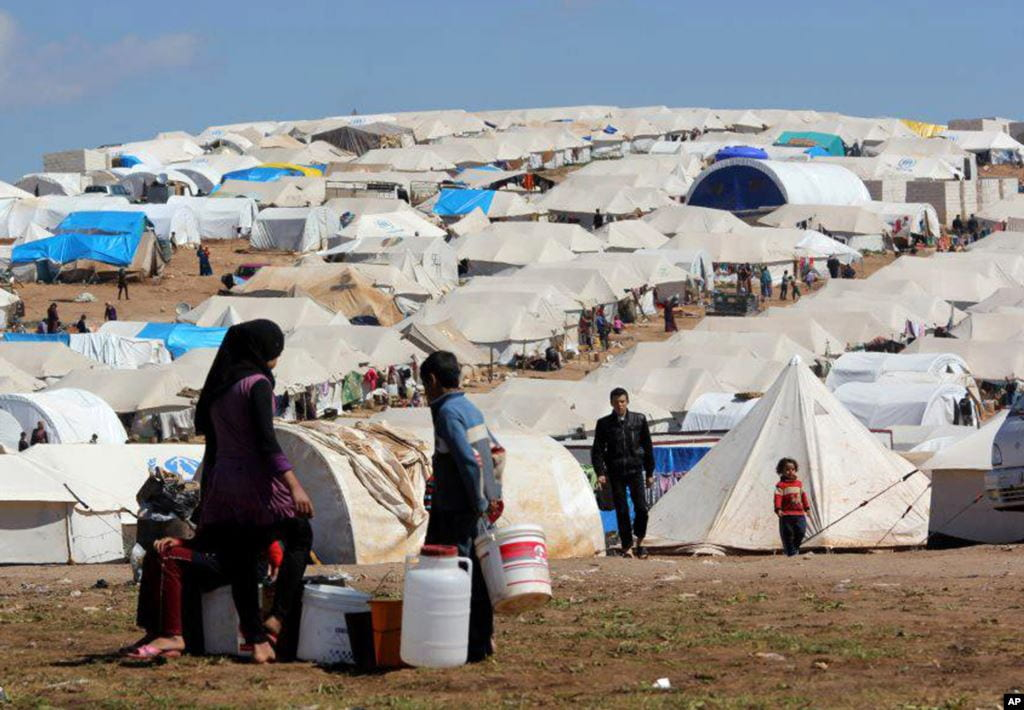
These pieces have tended to concentrate on the people arriving in the UK on boats, but it is important to remember that the refugee crisis is worldwide. This is reflected in the sudden increase in numbers of refugees from the new hotspot of Sudan (mostly in the neighbouring parts of Africa but also 60% of the most recent boat arrivals here). This piece gives more information: The Sudan War has Been Dubbed the ‘Forgotten Crisis’ by the Same Media who Have ‘Forgotten to Report on it’ – Here’s Why โ€“ Byline Times.

Similarly, this recent article indicates that most displaced people stay close to their home area and donโ€™t necessarily want to come to Europe, a fact that is often forgotten in the debate: Refuge in the Levant and Eastern Mediterranean: Spaces of containment or places of choice? | Journal of Refugee Studies | Oxford Academic (oup.com).

Also on a non-UK topic, the German government have instituted temporary controls on its borders to prevent the arrival of irregular migrants (and extremists) from other EU countries. This is contrary to the Schengen agreement on free movement within the Union.

BLOG

UK Asylum Seekers: Current Trends and Challenges


Refugees and asylum seekers still consuming political capital September 2026 With the return of Parliament this month, the Immigration and Asylum Bill is back in action. ย The Bill has passed its second reading and is now in committee stage. ย The most contentious parts are the refusal of family reunions, the extended time frame for residence,โ€ฆ

Latest Death Penalty report


September 2026 We are pleased to attach the latest report thanks to group member Lesley for the work in putting it together. Few items of good news this month and Iran continues with its atrocious level of executions. To note as usual that China is thought to execute more of its citizens than the restโ€ฆ

Is the UK government going to take action?


The signs of a more robust stance are promising September 2026 But as ever with government, words are not always matched by deeds. The Foreign Secretary’s statement and his subsequent remarks in a video expressing shock at being told medicines are being withheld from Gaza has drawn a series of rebukes and threats from aโ€ฆ

UK government signals change re: Israel


New Foreign Secretary indicates tougher approach to new settlements September 2026 Ed Miliband, the Foreign Secretary has stated in the Commons that the government is prepared to adopt a tougher approach to the proposed new E1 settlement on the West Bank. This highly contentious development is particularly important because it splits the area into twoโ€ฆ

Uyghur campaign: last day (for now)


Today is our last post for now on this successful campaign August 2026 This is our last post in our current campaign although we will be featuring the plight of the Uyghurs in future posts. The campaign has had some successes and the organiser reports: “It has been a huge success by almost all metricsโ€ฆ

Good response to our 143rd vigil


We still turn out each week as the need is still there Proposal to make a film August 2026 One hundred and forty three vigils for peace in the Middle East supported by around 30 people yesterday (29 August). The photo shows one of our number standing on the traffic island and there were aroundโ€ฆ

Exeter University in the spotlight


Serious doubts raised over their deal with Saudi Arabia August 2026 Any organisation preparing to engage in a commercial transaction with a state like Saudi Arabia, needs to ask itself some serious questions. Exeter University is reported in the Guardian newspaper (29th August) to have agreed to offer a MA course ‘applied security and strategy’โ€ฆ

It’s not just cotton from Xinjiang …


The Uyghurs are exploited across several different sectors August 2026 We have focused on cotton in previous posts with estimates of around 20% of the cotton clothes we wear has been produced using forced labour. But it’s not only cotton, a large amount of raw materials, and products, are manufactured in Xinjiang also using Uyghurโ€ฆ

Vigil No. 142


Nearly 30 attend the latest vigil in Salisbury August 2026 The vigils continue and the 142nd was held yesterday in the Market Place, Salisbury. Recognition was good with around 100 or so seeming to take some kind of note of our presence. It’s quite a while now since we have had any serious criticism ofโ€ฆ

Why we need to worry about Palantir


Palantir making inroads into government institutions including the NHS August 2026 Increasing concern is being expressed by the ever widening presence of Palantir into the fabric of British society. Who are they and what are the concerns? Palantir is an American company which has the technology to enable its clients to see all the dataโ€ฆ

Coercion by the Chinese of the Uyghur diaspora


Chinese government seeks to coerce Uyghurs living overseas August 20206 Not content with seeking to extinguish a people and a culture in its own backyard, the Chinese are engaged in a variety of coercive tactics overseas. In Australia theย Chineseย government is interrogating Uyghur Australians visiting Xinjiang, pressing them to collect information on Uyghurs inย Australia, Human Rightsโ€ฆ

Zoom meeting on the Uyghur campaign


Well attended meeting added useful insights into the campaign August 2026 Several new topics and concerns emerged from this well attended Zoom meeting including from four Uyghurs living in the West. It is worth reflecting on the wider issues that the repression of minorities in China – of which the Uyghur people are just oneโ€ฆ

Podcast Episode: Xinjiang Forced Labour Campaign


Pip: A local Amnesty group in Salisbury posts about Uyghur rights โ€” and suddenly cities across China are reading. That is either heartening or a sign that someone in Beijing is taking notes. Mara: This episode covers Salisbury Amnesty’s recent posts on the Uyghur campaign, from the surprising reach of their online presence to theโ€ฆ

Slavery was abolished in 1807* – Not in Xinjiang


Slavery and forced labour is alive and well in Xinjiang. Major retailers complicit. Welcome to ‘cotton laundering’ August 2026 Many people believe that slavery ended sometime in the 19th Century and many – certainly older people reading this – think that Britain led the way. Slavery continued for many years afterwards. The reality is thatโ€ฆ

Rwanda report


Cross party committee on human rights criticizes the government’s Rwanda policy

February 2024

The Rwanda (Asylum and Immigration) Bill ends its House of Lord’s stage today (12 February) and returns to the Commons.โ€‚The Bill has been roundly condemned by many human rights and other organisations and the committee said that it is ‘fundamentally incompatible with Britain’s human rights obligations’.

The Supreme Court has already ruled that Rwanda is not a safe country and the government’s attempt to pass a law simply saying it is is bit like passing a law saying water can run uphill.โ€‚The Committee went on to say ‘the Bill disapplies laws that might prevent and individual’s removalโ€‚to Rwanda including many of the key provisions of the Human Rights Act.

‘It might also impact on Northern Ireland, that it would both undermine the Windsor Framework and the Belfast (Good Friday) Agreement’.

It also raises the point about UK’s reputation.โ€‚We have they say, a reputation for respect for human rights of which ‘we should be proud’.โ€‚

Immigration, and most recently the Channel crossings, have generated a considerable degree of angst and hostile media coverage.โ€‚This is not recent and goes back many years and started to emerge as a political force during the Blair years.โ€‚In many respects it goes back further to various waves of immigrants such as the Huguenots from France, Flemings from the low countries and Jews fleeing Russia.โ€‚All have been met with hostility of some degree.โ€‚

Recent immigrants are cast as not really refugees at all but economic migrants, are cheating the system, are living off benefits and so forth.โ€‚Newspapers – and not just tabloids but the Daily Telegraph and the Independent – have carried hundreds of negative stories and helped keep the temperature high.โ€‚The Sun even ran a story that swans were being stolen from the London parks and eaten by immigrants (invented).โ€‚The raised media attention has increased public concern to which the politicians are obliged to reflect.โ€‚

Watch the Amnesty video

Anomaly

A curious anomaly is that people who’s offspring emigrate to live and work overseas (as ‘economic migrants’ no less) are spoken of in terms of pride.โ€‚Emigrants good: immigrants bad.โ€‚

Another curiosity is that many of the politicians leading the hostility and proposing ever harsher measures including deportation to Rwanda, are themselves sons or daughters of immigrants.โ€‚Priti Patel, Kwasi Kwarteng, Suella Braverman, Rishi Sunak, Danny Kruger and going back further, Michael Howard (Romania).โ€‚

The benefits of immigration to this country almost don’t get a look in.โ€‚In November last year, the government’s own statistics show that around one in 5 of people working in the health service were not born in the UK.โ€‚Indeed, the service would struggle to survive (even more than now) if these people were not working here.โ€‚

The entire debate is based on hysteria.โ€‚Boat people have assumed a disproportionate sense of anger and fear even though they represent a small proportion of all immigrants to this country.โ€‚The majority do go on to claim asylum.โ€‚The hysteria and media mis- and disinformation has resulted in the plan to deport a few hundred to Rwanda, a policy which is performative rather than likely to be effective.โ€‚

Sources: Daily Mail, FullFact; Liberty; Hansard, Guardian (accessed 12 February 2024)


The Salisbury Amnesty group celebrates 50 years of existence this year

Refugee report: January


Latest report on this politically charged problem

January 2024

Refugees and in particular, those arriving via small boats across the Channel, continue to cause considerable concern among the political classes and in the media.โ€‚Overtaken in the past few days by the Post Office scandal, the matter will burst back into view next week when the Rwanda bill comes back to the Commons.

The total number of โ€œsmall boatsโ€ arrivals in 2023 was 29,437 which was 36% lower than the figure for 2022.โ€‚Bad weather in the latter part of the year has been a factor. Border Force expect the numbers to rise again in 2024. 20% of the arrivals were from Afghanistan.

On claims, of the 40,000 arrivals between July 2022 and May 2023, 90% applied for asylum. The PMโ€™s claim to have removed the legacy of pre-2022 cases is questionable. The Office for Statistics Regulation is investigating.

The Times reports that Home Office officials canโ€™t clear the rolling asylum backlog, because more than 50,000 claims are for people who are in the U.K. but barred from permanent settlement under new laws passed last year. The paper calls it โ€œindefinite limbo.โ€

The statistics summary states that of โ€œthe 112,138 initial asylum decisions made between January and 28 December 2023, 35,119 were non-substantive decisionsโ€. This includes withdrawals, and it seems reasonable to conclude that the vast majority of those 35,119 decisions were withdrawals given that the statistics to the end of September 2023 showed that 18,709 applications had been withdrawn since June 2022, most of these in 2023. It has been clear since last year that the government was using this as a tool to artificially reduce the number of cases.

This means that over 31% of โ€˜decisionsโ€™ that were made in 2023 were probably withdrawals. These are people who are still here and a large proportion of them are likely to be refugees.โ€‚All that has been achieved by removing them from the asylum system is an increase in the likelihood of them being subject to exploitation, as people who are left outside the system are far more vulnerable to this.

A report in the i (paywall) shows what has been happening with the withdrawal of asylum claims,  Apparently those decision makers who met targets received gift vouchers and those who didnโ€™t were subjected to performance management. In the meantime, those on the receiving end include people who do not speak English as well as those who were living in Home Office accommodation but have been accused of absconding from it.

In Parliament, the Safety of Rwanda Bill returns to its final debate stage next Tuesday and Wednesday (16th and 17th January), when there will be a large number of amendments, the majority of which will fail. The bill will be considered by a committee of the whole house, meaning all MPs can contribute to the committee stage debates which are normally limited to members of a bill committee, and these are the debates where Tory right-wingers will try to toughen the bill. For example, they may try to remove the clause in the bill allowing individuals to appeal against deportation, or to include provisions saying ministers should ignore European court of human rights injunctions stopping deportations flights. Tory centrists may also try to amend the bill to tighten the requirement on ministers to obey the European convention on human rights.

To end on some good news, the Dorset Echo has a report that some of the asylum seekers on the Bibby Stockholm have started working with local charities, particularly those concerned with the homeless. Being prevented from working has left them with lots of spare time and many of them have experience of charitable work in their former lives.

Andrew Hemming

Blog at WordPress.com.

Up ↑