UK Asylum Seekers: Current Trends and Challenges


Refugees and asylum seekers still consuming political capital

September 2026

With the return of Parliament this month, the Immigration and Asylum Bill is back in action. ย The Bill has passed its second reading and is now in committee stage. ย The most contentious parts are the refusal of family reunions, the extended time frame for residence, and the modern slavery definitions. ย An August meeting of the Regulatory Policy Committee of the House considered the Home Officeโ€™s impact assessment to be โ€œnot fit for purposeโ€, and Article 8 on modern slavery to be โ€œinadequateโ€.

Boat crossings

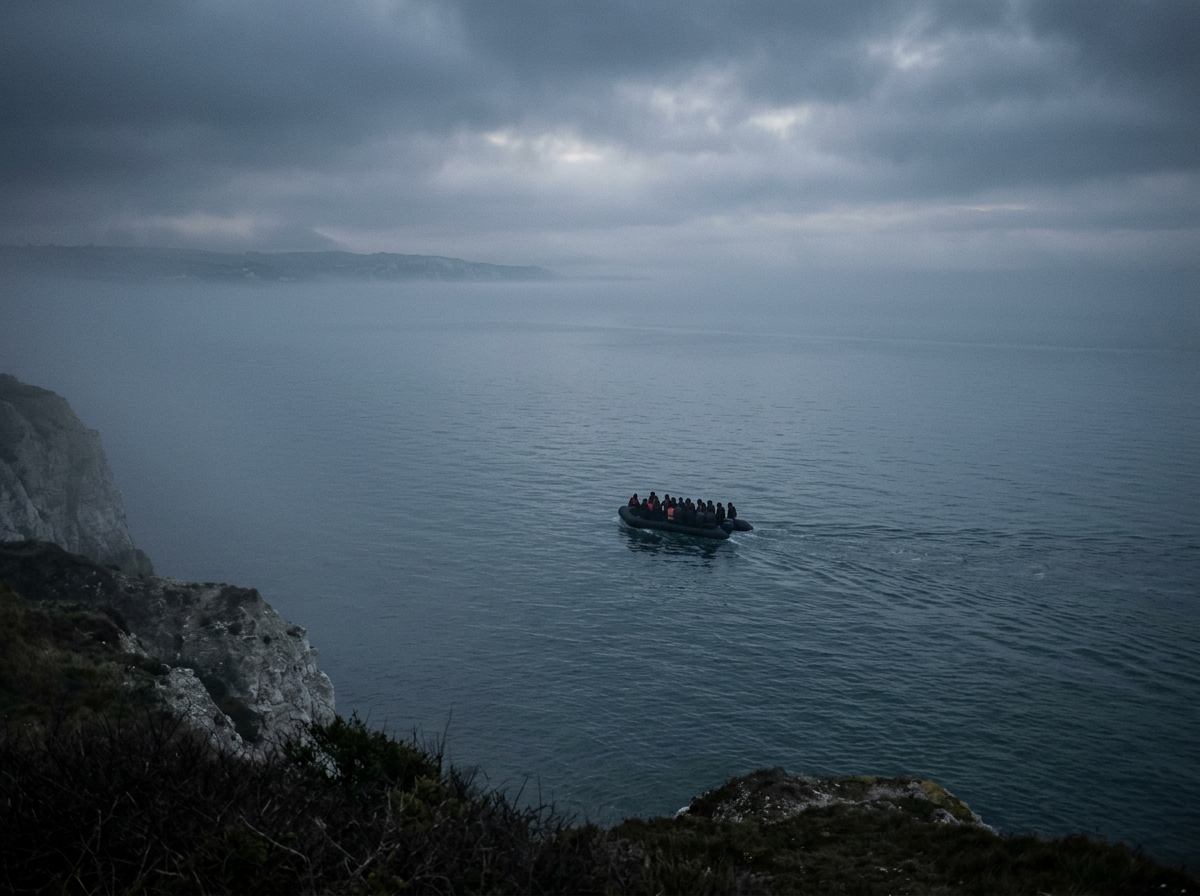
On the small boats front, numbers remain down (102 vessels between June and August, the lowest since 2019, but they are now much bigger boats, taking up to 230 people. Whereas in 2018, 7 was the average load, it is now 65). ย In 2026, 17,000 migrants have crossed the Channel so far. ย The backlog of pending cases continues to fall, down to 40,000, the lowest since June 2019, but the grant rate is falling as well, down to 38% acceptances (it had been up to 77%). ย 

With the resultant increase in appeals, the 24-week target for hearing appeals may be hard to achieve. ย Concern has been widely expressed that the new Independent Immigration Appeals Authority will be free to use non-qualified legal staff to adjudicate the appeals.

40,000 migrants were returned in the year to June, three quarters of them were โ€œvoluntaryโ€, mainly to Albania, Brazil, India and Poland.  The fine weather over the summer did not materially affect the numbers of crossings, which remain lower than recent years.  Other factors include more collaborative action with the French authorities, and seizure of 1100 boats, according to the National Crime Agency.

Migrants and asylum seekers who are already here continue to be the focus of interest.  By the end of June only 16,021 claimants were in hotels, but the 69,000 were in other temporary accommodation.

Beyond the statistics, public attitudes in the UK may not be reflected in the mainstream media.  A recent YouGov poll indicated that 75% of the public would distinguish between migrants and refugees and 59% thought that too much attention was paid to how migrants came rather than why.  Nevertheless, another poll revealed that 40% believed that more small boats were arriving this year than last, and only 22% (correctly) believing there were fewer.

Immigrants and crime

The OECD has observed that there has been little evidence of change in crime figures despite the amount of immigration. ย In the UK, convictions among non-UK citizens come out at about 12%, the same level as for the adult UK population. ย Higher levels of lawbreaking were observed among Afghansย (sexual offences) and Albanians (drugs) but not substantially. ย The Governmentโ€™s advisory guide for asylum seekers on British culture has not had any significant effect thus far. A feature of recent unrest at Portsmouth and Dover has been claims of high crime rates by immigrants.

Across Europe a similar trend is noticeable.  Despite the furore in Ceuta, numbers in the first quarter were down by 46% on 2025, but there were more deaths than previously.  Member countries of the EU nevertheless continue to be much engaged on the issue.  The European Parliament in June approved an overhaul of migration policy, expressly to speed up deportations.  EU interior ministers from 22 countries agreed to take โ€œany necessary measures to safeguard public order and address risks arising from secondary movementsโ€ (by which they mean migrants moving on from their first country of arrival).  The Schengen Agreement has already been suspended in certain places (notably in the spat between liberal Spain and hard-line Italy).  

The other big issue for the EU is the search for โ€œhubsโ€ outside the Union for removal of rejected migrants.  Five EU countries have agreed to sign deals. Rwanda and Uganda are said to be compliant, but the question remains as to who has the responsibility for such deportees.  The European Court of Human Rights is expected to adjudicate against the governments; the Council of Europe has already observed that the changes in policy pose โ€œconsiderable human rights risks.โ€

Climate

Finally, with ongoing climate change and a possible exceptional El Niรฑo, there has been much discussion of โ€œclimate mobilityโ€.  The UN Refugee Convention has nothing on the topic, and there is no legal category of โ€œclimate refugeeโ€, but the International Court of Justice has given advisory opinion recognising the issue.

AH


Recent posts:

Uyghur campaign – day 11


Latest action in relation to the persecution of the Uyghurs

August 2026

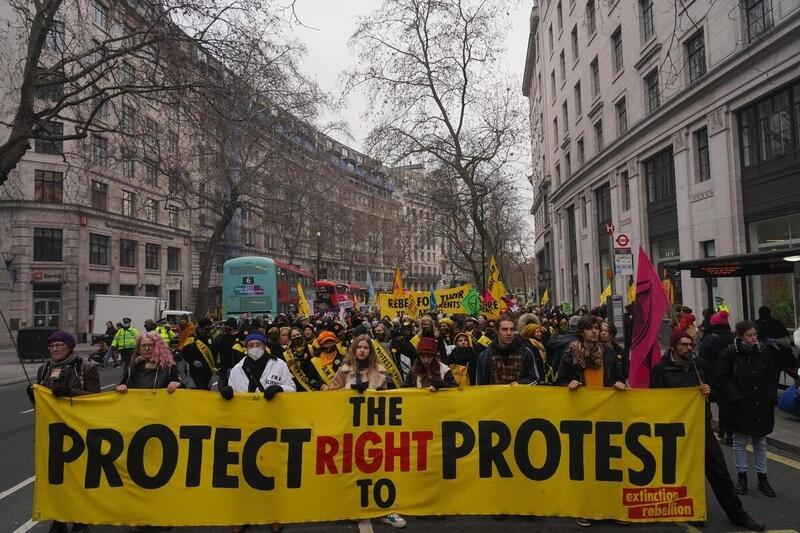
Today’s action is a little bit different, as we will focus on issues closer to home rather than exclusively on the rights of the Uyghurs.ย  We are asking you to sign the Amnesty petition to ‘protect the protest’ – something that we feel is ultimately essential to the future of all human rights campaigning.ย 

In some of our recent posts, we have started to include issues concerning the UK with successive attempts by governments to clamp down on unwelcome protests. In the UK, new laws are constraining our ability protest peacefully, which is an attack on our political rights. It risks creating a precedent and mark the beginning of more infringements on our ability to campaign on human rights. The UK is not of course in the same league as China where repression and stifling of rights is on a massive scale.

However, governments are dilatory about climate actions, are determined to assist Israel overtly and covertly in their violence, and are happy to support and allow arms sales to a wide variety of obnoxious regimes with poor human rights records. Voluble protests against these actions are unwelcome.

We want to protect our ability to run campaigns such as this one on the Uyghurs. In the end, protecting our political rights means protecting the future work we will do for human rights globally.ย The current laws that impact our ability to protest peacefully, which infringes not only on basic human rights to assembly, association, and expression (Articles 10 and 11, Human Rights Act), also createsย nearly 7,000 climate protesters were arrested in the UK between 2019 and mid-2025.

Since 2021, the government has proposed four different anti-protest laws in four years. Police have arrested 3,300 people for peaceful protest against the proscription of Palestine Action. The actual prosecution of peaceful protesters in the UK threatens our ability to raise our voices for human rights around the world. It is also an infringement on political rights that limits a human rights response in any instance of further infringement.

For the health of our human rights futures (and therefore, our ability to campaign for others) please sign this petition:ย https://www.amnesty.org.uk/issues/authoritarianism/protect-the-protest/

Although this is not directly related to the Uyghurs as part of the Uyghur Solidarity Month, we did suggest in our last post on this topic an action to speak to a friend or colleague.


Thought of subscribing?

Prisoner of conscience signing


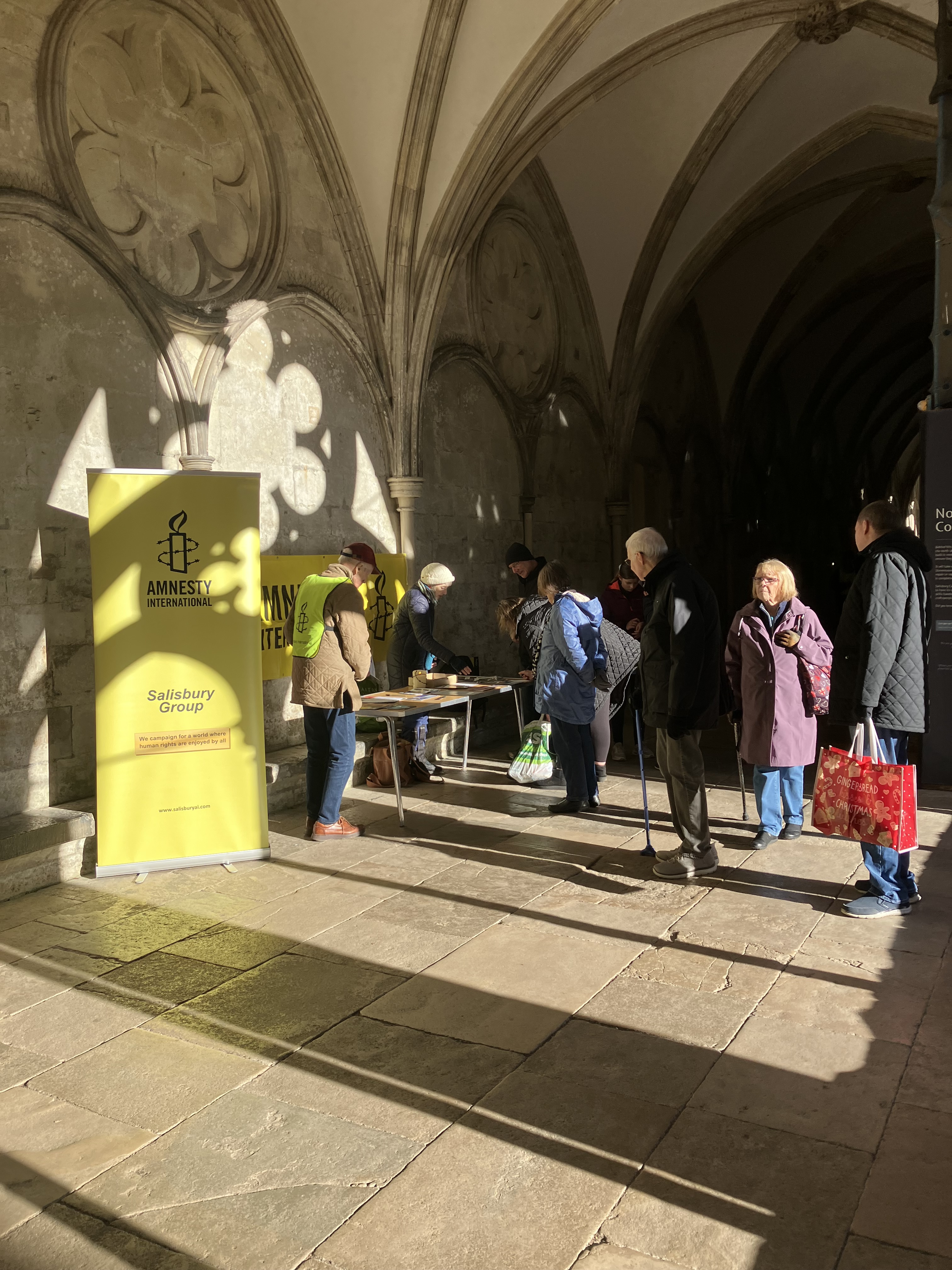
Salisbury group held its Write for Rights in the Cathedral

November 2025

The Salisbury group held a successful Write for Rights in the Cathedral Cloisters today and there was an unbroken file of people agreeing to sign. We highlighted two individuals and one group of individuals. The latter were Guerreras por la Amazonia who call themselves the ‘daughter of the earth’ who despite threats and intimidation, continue to demand climate justice for their communities. Climate issues are being seen more and more in human rights terms in recent years. The activities of resource firms who are deforesting large chunks of the Amazon, are having a dramatic effect on the wildlife and on he indigenous peoples. The group took action against Chevron-Texaco to limit the methane flares they emit.

We highlighted Sai Zaw Thaike from Myanmar where the military junta still holds sway although a little less confidently these days. He is a photo journalist who was arrested 3 years ago and sentenced to 20 years of hard labour, tortured and held in solitary confinement for exposing what happened after cyclone Mocha.

Sonia Dahmani (pictured) from Tunisia was our third person. Sonia is a lawyer who has spoken out about racism, migration and prison conditions. She has been harassed and accused of spreading false news. She is under arrest and one of several who have been treated this way by the authoritarian president Kais Saied.

[Since preparing the Write for Rights, it appears that she has been released in the past few days. This is good news]

View of the signing.


Our thanks go to group members Andrew for arranging the event with the Cathedral, Fiona for organising the signing itself, and Tony, Val, Peter and Lesley for assisting on the day.

Latest posts:

Our right to protest


Government restrictions on protest are damaging to our democracy

December 2024

A key part of our democracy is our ability to protest peacefully. We have a right to free speech and a right of assembly. The Conservative government passed several laws which restricted these rights but the new Labour government seems in no hurry to repeal previous legislation.

The public is in two minds about demonstrations. They object to the climate protestors and some are happy that they were jailed for throwing paint at pictures or obstructing the M25. In the last century, there was similar disquiet at the suffragettes who took actual violent action in their pursuit of their desire for votes for women. They were referred to as ‘terrorists’ and ‘anarchists’ in their day.

What is not understood or widely accepted is that governments are not too keen at having their policies objected to. They are able to force through poor or ill-thought through legislation by whipping or coercion of their MPs. If the public objects or points out inadequacies in their policies their instinctive reaction is to stifle them. Many reforms come about as a result of protest, rights for gay people for example. With the new legislation, they have given wider powers to the police to arrest or prevent such demonstrations. Forty people will be behind bars this Christmas, in already overcrowded prisons, for planning or taking part in protests either for climate change or Gaza. British police arrest environmental protesters at nearly three times the global average rate, research has found, revealing the country as a world leader in the legal crackdown on climate activism.

Public opinion is clearly influenced by the media which adopts a variety of different positions concerning protests. Some of the tabloids are keen to demonise climate protestors using words like ‘thugs’ or ‘eco zealots’. Some are happy to demonise those who are in support of Palestinians. Declassified has produced a video of a march in support of Palestine. The march was peaceful yet it was smeared by both the Times and Daily Mail. The latter suggested that it was sufficiently threatening for MPs to be frightened of leaving Parliament. The film shows this to be nonsense. There were two protestors and MPs were able to leave unmolested! Members of the public are seen strolling by. Police are stood about chatting. Orthodox Jews are present in support of the demonstration. This is but one example of our legacy media creating the impression of violent anti-Semites and anti-Israel protestors. It is interesting to note that the farmers held protests in London a week or so ago blocking roads with tractors. None were arrested and they were not demonised by the media.

Liberty are launching a campaign #WeProtest. They are on a mission to restore protest rights after years of decline, by making the case for how protest has made the UK a better place for everyone. We all have the right to speak out on issues that matter to us and our communities. Perhaps itโ€™s saving your local library, or equal rights, or environmental justice. Whatever is important to you, you have the right to protest. This campaign is in partnership with the thinktank Demos.

Few reforms would come about without protests from the public. It is vital we retain that right.

Blog at WordPress.com.

Up ↑