War crimes and atrocities in Sudan: report


Amnesty publishes a detailed report on the war in Sudan

July 2026

Amnesty has just released a report on the appalling events taking place in Sudan, one of those conflicts that get very little coverage in the UK or the West generally. Called City under Siege, Children under Fire, in describes the scale of the atrocities which took place during the campaign to capture El Fasher in North Darfur. The full report can be accessed via this link.
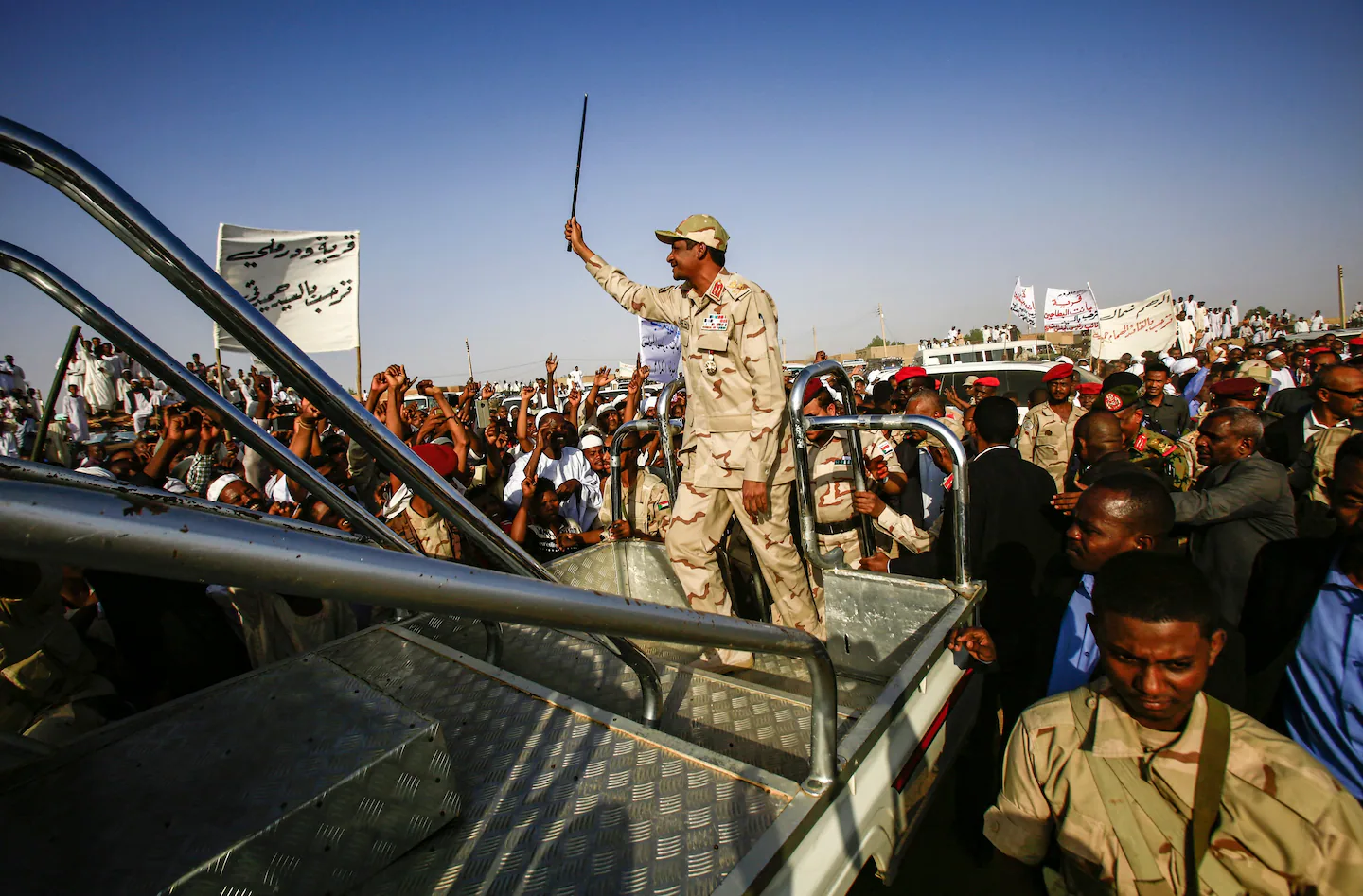
Civilians were killed, injured, beaten, tortured and detained in terrible conditions between 2024 and October 2025. Crimes included rape, sexual slavery, enslavement and persecution. Hundreds of thousands of children have been displaced and kept in poor conditions where abuse, physical assaults and lack of food and water was common.

Agnès Callamard, Amnesty’s secretary general said ‘it was a war on civilians. The world was warned of the horrors that civilians in El Fasher confronted as the RSF laid siege to the city. It is a stain on the conscience of humanity’.

A UN fact finding mission said the seizure of El Fasher showed all the hallmark of genocide.

UK collusion

The situation is made worse by the cuts in aid by US principally but also by the UK. Another factor is the role of the UAE who are alleged to be supporters of the RSF and supplying them with weapons and other materiel. The UK has deep and historic relationships with the kingdom reaffirmed in a statement in April. The statement does refer to Sudan but very much in detached way giving the impression that they want the conflict to end but not admitting their role in its continuation.


Sudan: world’s worst crisis


Two years of war has left 20 million suffering food insecurity

April 2025

Wars in Ukraine and in Gaza have drawn much attention from the world’s media and the events in Washington are also a major distraction. Meanwhile, in Sudan a less well reported conflict is causing immense suffering, death and destruction on an heroic scale. Commendably, Channel 4’s Unreported World devoted a programme to the conflict in March this year [registration needed].

The conflict is now 2 years old and is between the Sudanese Army and the Rapid Support Forces known as the RSF. By August 2023 around 1 million had fled the country. Currently, around 20 million are suffering acute food insecurity. Another million have fled to neighbouring Chad a country not equipped to handle such a large influx.

The RSF is accused of a range of war crimes including killings – sometimes in people’s homes and including small children – looting, sexual violence and arson. It has no regard for human rights.

The war could not last this long and at such an intensity without outside support and the major players are Egypt supporting the Army and the UAE who are alleged to be supporting the RSF. The reason according to Middle East Eye is to protect its investments in the country and to gain access to its mineral and agricultural resources. UAE imports 90% of its food and has little land suitable for agriculture itself.

UK seeks to suppress criticism

Weapons and arms are another key factor and suppliers include China, Russia, Serbia, Türkiye, UAE and Yemen. Amnesty suggests technology from France has been found. UAE appear to be the main player and the UK is alleged to be active in preventing criticism of the country. The United Kingdom has reportedly tried to suppress scrutiny of the UAE’s role in Sudan. In June, a report from the Guardian reported that the Foreign, Commonwealth and Development Office (FCDO) pressured African diplomats not to criticise the UAE. There is considerable trade and commercial interests between the two countries and the UAE invests in the UK including part ownership of Gatwick airport. Clearly, the government, with its focus on growth, does not want the role of the UAE in fomenting conflict in Sudan with devastating results, to stand in the way of commercial interests.

This seems to be yet another example of how outside interests result in fearful consequences for the people who’s properties have been burnt and who have had to flee to neighbouring countries to escape violence.

Sources: Amnesty; Human Rights Watch, Middle East Eye; Crisis Group; Guardian

Blog at WordPress.com.

Up ↑