UN Council report declares genocide in Gaza


Report finds that Israel is committing genocide in Gaza and elsewhere

September 2026

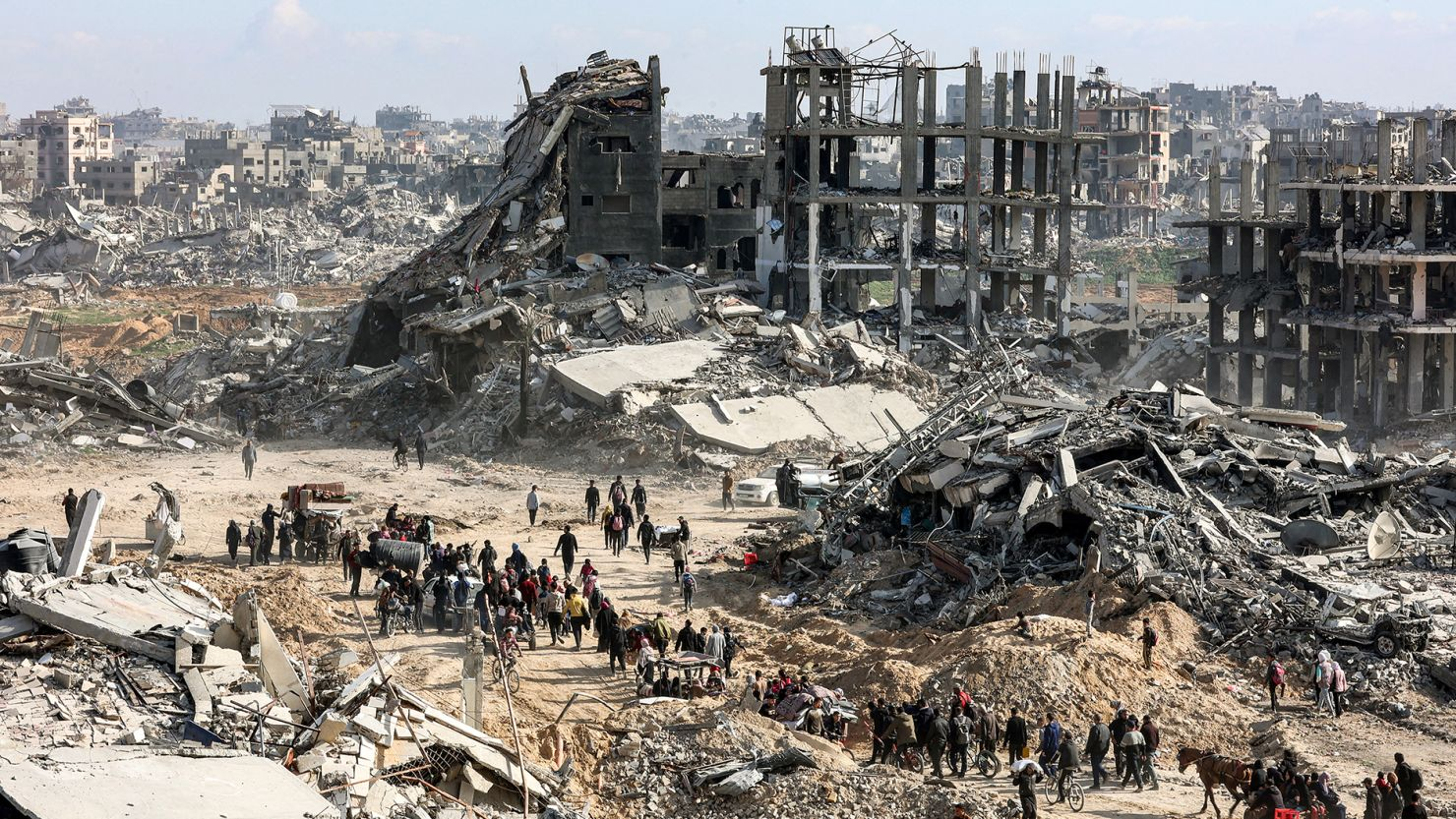
A report by the UN Independent International Committee of Inquiry on the Occupied Palestinian Territory, including East Jerusalem and Israel (COI), has concluded that Israel is committing genocide in those areas according to the 1948 Convention. The UN itself has not made a declaration but it is being urged to do so. The COI investigation has taken 2 years. The Israeli Foreign Ministry has condemned the report saying “it categorically rejected the report and called for the COI to be abolished. Israel’s ambassador to the UN in Geneva, Daniel Meron, called the report a scandalous and fake “libellous rant” that had been authored by “Hamas proxies”. Israel has declined to cooperate with the COI, accusing it of having a political agenda“. A summary of the report is available here.
The COI finds that 4 of the five genocidal acts have been committed by Israel namely killing, causing serious bodily or mental harm, deliberately inflicting conditions of life calculated to bring about the destruction of the Palestinians in whole or in part and imposing measures intended to prevent births. It finds that Israel has failed to investigate genocidal acts and to prosecute perpetrators.

Israel has imposed a siege, blocked humanitarian aid and has systematically destroyed health care and educational systems. Today (17th September) as part of its latest ground offensive, it has attacked the last remaining functioning hospital in Gaza. Independent journalists are not allowed into the territory.

Treatment of women

Perhaps the most distressing aspect of the report is the atrocious treatment of women captured by the IDF. This has not so far as we are aware been reported before. It is worth quoting the passage on this aspect (warning: a distressing read):

Notably, the Israeli security forces also sexually harassed and publicly shamed Palestinian women. For example, some Palestinian women were forced to strip to their underwear and remove their veils in public and in front of the community. The Commission has found that Israeli security forces have deliberately humiliated and mocked Palestinian women based on their gender and ethnicity. The evidence analysed by the Commission showed a clear gender and racial bias by the perpetrators, who intentionally target Palestinian women and attempt to humiliate and degrade them publicly. Moreover, from the perspective of Palestinian culture, sexual harassment and public shaming of women are potentially extremely harmful, carrying serious implications for the women whose privacy is publicly exposed. Additionally, female Palestinian detainees were severely mistreated and humiliated during their detention. The Commission has reported that female detainees were subjected to repeated, prolonged and invasive strip searches, both before and after interrogations. One woman was strip searched in her cell every three hours during her four-day detention, the guards forcing her to remove all her clothes even though she was menstruating. Women were forced to remove all clothes, including the veil, in front of male and female soldiers. They were beaten and harassed while called “ugly” and subjected to sexual insults, such as “bitch” and “whore“. (para 70).

Sport and culture

The continuing death toll in Gaza, now put at 65,000, and the increasing level of violence by settlers in the West Bank is forcing countries to reassess their relations with Israel. We have previously reported the abandonment of the final stage of the Vuelta due to protesters. There are moves by Spain, Ireland and others to withdraw from Eurovision. There are signs of Israel becoming more isolated because of its activities.

Referring to this increasing isolation, Benjamin Netanyahu said in a speech yesterday that Israel would become a kind of Sparta. This is a revealing comment since the Greek state did indeed win a famous victory in the Pelopennesian War but it was democratic Athens which eventually survived and became a beacon for global civilisation. Sparta pursued its militaristic and isolationist policy but was overcome by the Helots and disappeared from history.

The 94th vigil will take place on Saturday 20th at 5pm in Salisbury market by HSBC.

Sources: Haaretz, Guardian, Neos Cosmos,

Cricket and Afghanistan women


Do cricketing authorities have any moral compass at all?

January 2025

For women, life under the Taliban is like living in a prison. Even prisons have windows but the latest edict from the Taliban is that no new buildings can have a window through which a woman can be seen. Existing buildings must have such windows blocked up or screened off. The reason is “seeing women working in kitchens, in courtyards or collecting water from wells can lead to obscene acts”. Thus spoke Hibatullah Akhundzada, leader of the Taliban.

This is just the latest draconian measure. Women have no rights to free movement, education or work. Outside they must be completely covered over. Protections for girls and women subject to domestic abuse have been demolished. There has been a surge of forced marriages for girls and women. A full report, published by Amnesty called Death in Slow Motion reveals the full horrific nature of life for women, if ‘life’ be the correct word to use, in Afghanistan.

Enter cricket and the question of whether England should play Afghanistan: men, of course, because women are not allowed to play cricket or anything else, and members of the nascent women’s cricket team fled the country. This brings up the familiar question of whether we should engage in sporting activities with countries that have little concept of, or adherence to, human rights. We have discussed Saudi Arabia’s huge investment in sport and the recent disgraceful decision to award them the football (soccer, US) World Cup.

Bizarrely the Guardian reports (7 January) the England and Wales Cricket Board are refusing to schedule games against Afghanistan out of concern for a deterioration of basic human rights for women in the country. They are however, along with Australia, happy to play them in next month’s Champions Trophy. They are quoted as saying that they do not think a ban would make much difference to the ruling party there and that a unilateral decision would be less effective than a unified one by the International Cricket Council.

What should be the response for sporting bodies to taking part in sports with regimes who do not observe human rights for all or part of their citizenry? Does playing sport offer hope as the ECB argue? Or does continuing to play sport bolster the regimes and enables them to bask in the publicity while doing nothing to improve rights? Indeed, does sport actually make matters worse? During the communist era, East Germany and USSR for example, used sport to promote the idea of a healthy and successful society. The Saudi regime is investing billions in its sporting activities simply to promote the country to the world. We call it ‘sportswashing’. This enables regimes to sanitise their image knowing that the excitement of sport will give them massive uncritical coverage.

Will playing cricket against Afghanistan offer hope in the country? It might provide some amusement to Afghan men to watch their team, but the women? On the one hand it might put a spotlight on the country and its appalling treatment of women (good). On the other, it offers some favourable publicity to the regime and demonstrates to Afghanis that when money is on offer, the West very quickly loses its moral scruples (bad).

Meanwhile, a group of politicians led by Tonia Antiniazzi (Lab), has written to the ECB expressing their deep concern. The ECB’s responses can be seen in this BBC Sport report. Neither local MPs, John Glen nor Danny Kruger have signed the letter.

Sources: ECB, The Guardian, Amnesty International, BBC

Death penalty report


April 2024

We are pleased to attach this month’s report for the period mid March to mid April thanks for group member Lesley for the work in compiling it. Reports include those from USA, Congo, Pakistan and Russia.

The Salisbury group was established 50 years ago this year

FIFA and the World Cup


FIFA writes to all contestants urging them to ‘focus on the football’

November 2022

The decision to hold the World Cup in Qatar was always controversial and as the competition approaches, temperatures have risen concerning the state’s human rights record and treatment of the migrant workers who built the stadiums and facilities, around 6,500 of whom have reportedly died. The FIFA president Gianni Infantino has written to the 32 competing nations asking them to ‘focus on the football’. He suggests further that they need ‘to respect all opinions and beliefs without handing out moral lessons.’ The FIFA General Secretary Fatma Samoura goes further and tells us that the food is great and ‘the tea is beautiful!’ She suggests, absurdly, that Qatar can be used as a ‘role model for other countries in the Gulf’.

The essential dispute is whether sport is a useful pressure point to improve the human rights of the host nations where events take place, or whether sport is simply being used to sanitise the reputations of dire regimes, in other words, sports washing. There is an argument for sporting events going to a country where the combination of visibility, media attention and the need to ‘put on a good face’ can have a positive effect on how individuals are treated. While this may be true in principle, it was hard to find such positive examples on a search through a range of sport-based campaign organisations who promote this idea such as the Centre for Sports and Human Rights. The IOC claimed to insert requirements into their contracts but the extent to which they outlast the actual competition has to be questioned.

Qatar has a range of problems on the human rights front. They include the kafala system which ties workers to their employers. We have mentioned the claim that around 6,500 have died building the facilities. The workers are barred from forming a trade union. FIFA has claimed that reforms have been introduced but there seems little sign of them in practice and enforcement seems minimal. Wage theft is common.

Women are treated poorly. The suffer under the guardianship system which means the permission of a male member of the family is needed to marry, travel or study abroad and divorced women are not permitted to be their children’s guardian.

Same sex relations are banned and are a crime. There is no freedom of expression.

FIFA’s statements seem to be at variance to the idea of sport having some kind of ambassadorial role. If the footballers are being asked not to wear armbands, nor to ‘hand out moral lessons’ as they put it and generally keep a low profile, where then is the pressure on the Qataris going to come from? They were joined by the UK’s foreign secretary James Cleverly MP who was quoted at saying, in connection with LGBT football fans heading for the competition, that they should be ‘respectful of the host nation’. Downing Street distanced themselves from this crass comment.

Another factor is how the competition will be reported. Sports reporting lives largely in a world of its own. The narrative is around how the home country is progressing, who is the favourite to win and facile interviews with the various participants about their performances on the field past and future. Life outside the stadium and hotel rooms are unlikely to get a mention. Will any of the sports reporters visit the squalid accommodation that the men who built the stadiums live in? Will the subservient status of women be mentioned? Since freedom of expression is substantially curtailed, none of this is likely to see the light of day. The reporters might reasonably argue we are here to comment on football not on social or human rights conditions.

There seems no escape from the fact that sport is being used by repressive or abusive regimes to enhance their reputations and the sports people are only too willing to play along. It’s not just football of course: tennis; boxing; golf; motorsport; cycling and athletics have all quite happily taken the money. The notion that sporting events are a force for good and the publicity they generate helps those abused by the regimes is fanciful at best. There seems little evidence of sustained benefit deriving from these major international sporting events. Claims are made but the power of money seems to trump any moral considerations and those with the power to make a difference are only too content to look the other way.

Sources: ITV News; HRW; Amnesty; Mirror; Daily Mail; UNSW Sidney

Time for Ghana to scrap the death penalty


World Day Against Death Penalty

The death penalty in Ghana has been frequently used in violation of international law and standards, affecting predominantly those from disadvantaged socio-economic backgrounds, as shown by research carried out by Amnesty International. It is high time the authorities of Ghana acted to fully abolish it.

In Ghana the death penalty has been imposed mainly as the mandatory punishment for murder, meaning that judges were unable to consider any mitigating factors relating to the case, the circumstances of the offence or the background of the defendants at sentencing, when they imposed the death penalty. This has meant, for example, that some women on death row could not have their experience of being subjected to prolonged domestic violence at the hands of their husbands or partners taken into account when they were convicted of their murders.

The widespread concerns on the lack of effective legal representation and appeals described by many on death row is also greatly alarming, including as these are critical safeguards to protect the rights of those facing the death penalty and avoid miscarriage of justice. Around three-quarters of the 107 people on death row interviewed by Amnesty International in preparing its 2017 report, had a state-appointed lawyer at trial level, with only around 15% able to hire a lawyer of their choice with help from their families. Three men stated they did not have any legal representation during their initial trial; of the three women on death row at the time of the interviews, two said they did not have a trial lawyer. Several others said that their lawyers had not attended all the hearings; and many said that they did not have a chance to talk to their lawyer and prepare their defence during trial.

As appeals are not mandatory in Ghana, the majority of those on death row told Amnesty International that they had been unable to appeal their convictions and death sentences. Most did not fully understand their right to appeal or how to pursue this process, and believed they needed to have sufficient money to hire a private lawyer in order to appeal. Figures provided by the Ghana Prison Service (the Prison Service) in March 2017 indicated that only 12 prisoners on death row had filed appeals since 2006. None of the three women on death row had been able to file an appeal due to lack of money. One woman told Amnesty International that at the time a lawyer asked for 60 million Old Ghana Cedi (more than US$12,000) to file an appeal.

It comes as no surprise that in a legal system with so few built-in safeguards those who end up carrying the burden of the death penalty have disadvantaged backgrounds. The majority of the 107 people interviewed came from outside of the greater Accra region, had minimal educational levels and were from disadvantaged socio-economic backgrounds, with children left in the care of others. Against international safeguards, six people on death row at Nsawam Prison were considered to have mental (psychosocial) or intellectual disabilities and were not supported through specialized care.

Conditions for men and women on death row do not meet international standards. Both men and women reported overcrowding, poor sanitary facilities, isolation, and lack of adequate access to medical care and to recreational or educational opportunities available to other people in detention. Amnesty International opposes the death penalty in all cases without exception.

This post is reproduced from Amnesty

Amnesty briefing

Women and the Death Penalty


Today is World Day Against the Death Penalty
This Amnesty report highlights the effects of the penalty on women

The use of death penalty has further impacts on women relatives and supporters of those on death row, as existing structural socio-economic inequalities, stigmatization and discrimination have been deepened by the sentencing to death of their loved ones. The campaigning briefing highlights some of the prevailing human rights concerns associated with the impact of the death penalty on women and calls for action to end the injustice and arbitrariness of the death penalty. Amnesty International opposes the death penalty in all cases without exception, as a violation of the right to life as proclaimed in the Universal Declaration of Human Rights and the ultimate cruel, inhuman and degrading punishment. Amnesty International is a founding member of the World Coalition Against the Death Penalty, which coordinates this global day of activism against the death penalty every 10 October.

The effect of the death penalty on women

Available as a podcast

Women in Iran


Women in Iran at risk

As news spreads that Iran could be facing a second wave of coronavirus due to an increase in the number of cases, the health and safety of Nasrin, Yasaman and other imprisoned women’s rights activists remains at risk.  Now more than ever, we must increase the pressure on Iranian authorities to release these women immediately.

Our campaigning has helped secure the release of prisoners of conscience in Iran before.  Please can help us do it again.  Please watch and share our post, featuring Iranian-born actress and Amnesty Ambassador, Nazanin Boniadi who has campaigned with us since 2008 on the unjust conviction and treatment of Iranian youth, women and prisoners of conscience.


Saudi women still in gaol


The women who campaigned for women to be able to drive in Saudi still in gaol

ACTION TODAY WEDNESDAY 24 JUNE

Next week marks two years since women in Saudi Arabia were finally granted the right to drive.

As part of his Vision 2030, Crown Prince Mohammed Bin Salman is working hard to be seen as the moderniser of Saudi Arabia, introducing a number of social reforms.

Meanwhile, thirteen Saudi women’s rights activists remain on trial for peacefully campaigning for the same reforms, including the right to drive.  Five of them are still behind bars – including Loujain al-Hathloul, Samar Badawi and Nassima al-Sada.

We’re asking our supporters to take action together this Wednesday 24 June – the day women were granted the right to drive in Saudi Arabia in 2018, while these women’s rights defenders were locked up in prison charged with, among other things, “promoting women’s rights”.

Please share this horn graphic on social media with the following message:

I stand with women rights activists who fought for the right to drive. It’s shameful they were locked up for demanding equality. Join me & @AmnestyUK calling on @KingSalman to release them & drop all charges: http://www.amnesty.org.uk/beepforfreedom #BeepForFreedom CC @SaudiEmbassyUK

Thank you!

Talk in New Forest


The New Forest Amnesty group is hosting a talk on 28 November and the details can be found below.  It is free.

New Forest Talk (pdf)

Defence Secretary meets civil society groups


The Defence Secretary, Gavin Williamson, aims to ease the suffering of women in conflict areas.  Will action follow?

We have often posted items on this site concerning our support for, and arming of, the Saudi regime in its war in Yemen and the awful human toll that this has caused.  Thousands have died, cholera is at epidemic proportions and civil society has been catastrophically damaged.  A blockade is making matters worse.  The has been considerable evidence that UK arms have been used to attack civilian targets including schools, hospitals, weddings and funerals.  Yet we continue to aid the Saudis and the sale of weapons continues.  The Royal family is used to visit the regime and to welcome them here on a recent state visit.  The sale of weapons is so valuable that any concern at the destruction caused is effectively ignored.

In the context of the Yemen, as in many other conflicts, it is women and children who suffer often disproportionately.  The destruction of their community, the bombing of medical facilities and schools, the difficulty in acquiring food and clean water, all make life extremely difficult for them.  So it was interesting to read that the Defence Minister, Gavin Williamson, attended a meeting in London with representatives of countries experiencing conflict.  Countries included:  the Democratic Republic of Congo (DRC), Iraq, Nigeria, Somalia, South Sudan and Ukraine, as well as several international action groups, were welcomed to discuss the issues faced in their countries, particularly by women.

It is noticeable that Yemen was not among them.

Mr Williamson said:

Conflict can have devastating effects for anyone caught in its path, but life can be particularly traumatic for women. They are subject to violence, sexual exploitation and abuse, and their calls for justice are often falling on deaf ears.

I am determined we do more to listen to those who are often not given a voice. It is only by understanding the situation faced by women and girls that we will be able to protect them. Ministry of Defence news story, 19 July 2018 [accessed 27 July]

It appears that most if not all the countries attending had UK-trained peace keepers deployed there.  The news story went on to claim:

The UK has already increased peacekeeping in Sudan and Somalia, has deployed four Military Gender and Protection Advisers to DRC and has established a UK centre of excellence to integrate guidelines on women, peace and security into its work.  It is also among the first countries to publish a National Action Plan on Women, Peace and Security

The minister claims that he is determined to ‘do more to listen to those often not given a voice‘.  This raises the question of what happens when he is told it is your weapons which are destroying our lives.  What more does he need to be told?  There have been countless authenticated reports on the destruction our weapons (and those of USA and France) have caused in war zones like Yemen.  A Médecins sans Frontières report is another example among many.  Countless reports, evidence on the ground, news reports and footage, all graphically describe the terrible events in that country.

So the questions for Mr Williamson are – when you have read the reports and done your ‘listening’ what are you going to do?  Will you take steps to cease arming the Saudis with weapons they are using to cause such mayhem?  Will you bring home the RAF personnel who are involved in the conflict?  What in short will you do to ease the plight of women caught ‘in its path’ as you put it?  Or was this just an exercise in public relations which will have no tangible or beneficial effects on the lives of women in war zones?

Will you listen and do nothing?


If you live in the Salisbury area we would be pleased to welcome you to our group.


Blog at WordPress.com.

Up ↑
