Gay rights in Malawi


Speaker at the Exeter conference on the problems of LGBTQ+ rights in Malawi

March 2026

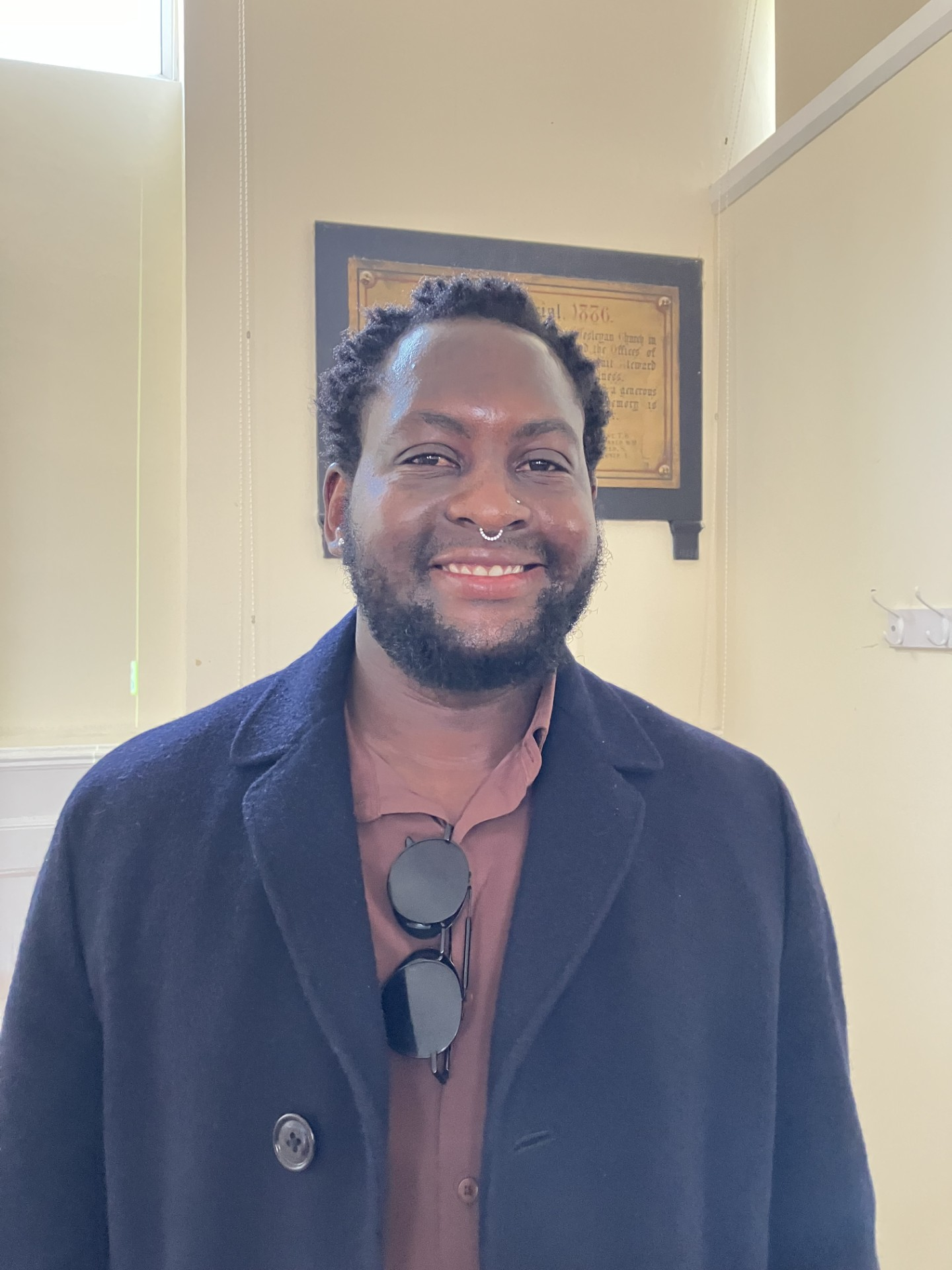
We were delighted to hear first hand of the continuing problems being experienced by LGBTQ+ people in Malawi. Eric Sambisa (pictured), who is currently at the Dundee Human Rights Centre, gave a talk at the Exeter conference on these problems. Eric is the founder of Nyasa Rainbow Alliance and was the first to come out on TV as gay is his country in 2016. Currently, he is focusing on women’s rights.
He explained that section 153 of the country’s penal code prohibits sex between consenting adults, a provision which derives from the time when it was a colony of the British. Up until the ’60s such activity was illegal in the UK. To be open in this way in Malawi has its risks and individuals have suffered violence. The offices have been attacked and laptops and files taken.

He mentioned the case of Jana Gonani who was arrested and imprisoned in December 2021. Gonani, a 29-year-old Malawian trans woman, is currently serving an eight-year sentence at Chichiri men’s prison in Blantyre City for two counts of “false pretence” – for presenting as a woman – and one count of “unnatural offence” – both crimes under the country’s colonial era penal law. With help of the Rainbow Alliance, an appeal was mounted to the High Court.

There have been many attempts to change the law in Malawi, so far unsuccessfully. Sambisa was not expecting a change ‘any time soon’ he said. Unlike Uganda and Kenya, there are no attempts at a legislative change. Religious interests and pressure is quite strong. An interesting side note is that prior to becoming a colony, names in Malawi were not gendered.

‘Legal provisions are reinforced by social attitudes. A large proportion of Malawians oppose same-sex relationships. Religious and traditional leaders have been vocal in their opposition to LGBTQI+ rights, organising protests and reinforcing discriminatory attitudes. As a result, many LGBTQI+ people face significant challenges: they are often disowned by their families, lose their jobs or are evicted from their homes. The recent Constitutional Court decision to uphold the criminalisation of homosexuality will only exacerbate the situation, because many will interpret it to mean there’s no place for LGBTQI+ people in Malawi’ (Civicus.org). Sambisa pointed out it is the state which loses out by denying the rights of such people.

Picture: Salisbury Amnesty. This was one of the talks at the Exeter conference organised by the Exeter Amnesty group.


Recent posts:

Why not become a subscriber? It’s free.

Amnesty conference in Exeter


Well attended conference with a wide range of human rights issues discussed

March 2026

The Exeter group of Amnesty puts together a conference every year and those attending this year were able to listen to a range of speakers on some of the current problems with human rights around the world. Each topic will need its own space so we shall be putting up a range of posts over the coming week or so to give them justice. For now, this is just a brief summary as a kind of ‘taster’. All credit to the Exeter group for organising this event. Six members from the Salisbury group attended and all found it worthwhile.

Tapestry

The tapestry was on display after many years absence. It was displayed in Salisbury Cathedral several years ago.

Malawi

We do not hear enough from Africa although the war in Sudan occasionally makes the news. Malawi is one of a number of countries in Africa which have anti-gay legislation. Eric Sambisa spoke of his campaign and actions to get the law on LGBTQ+ legislation changed in his country. Those laws derive from colonial times and change is proving slow.

Authoritarianism

We had two speakers on authoritarianism, first in America and second in the UK. Trump and his supporters are carrying out a range of such measures and worryingly, UK governments are quietly following suit with more laws and increased police powers designed to reduce protests. The firm Palentir was raised more than once and they represent a serious risk to our personal security.

Purchasing

A forthcoming Amnesty campaign will focus on what we buy and the human rights stories behind our purchases. Much of what we buy comes from overseas and is produced in sweat shops in the far east where – mostly women – work in terrible conditions with few if any rights. There are no trade unions. The surprising, nay shocking thing, is that big name British retailers are involved, the likes of M&S, Tesco, Next and others. Firms who’s policies have the familiar words about human rights being our ‘first priority’. The supply chains are long and as you go down them the opportunities for abuse increases.

There was discussion of Early Day Motion 1266 concerning banning goods coming from the illegal Israeli settlements. Unfortunately, there was insufficient time to discuss the large number of MPs, from all parties, who are members of the powerful Friends of Israel lobby groups. Their power means the motion is unlikely to succeed.

Palestine

The situation in Palestine was a topic as you might expect and we had a presentation from an academic at Exeter University. Part of the discussion focused on the prospects for a two state solution. There are none was the stark conclusion. Israel has systematically removed people and built settlements which make the creation of a viable Palestinian state impossible. Recent announcements of the creation of 19 new settlements cements this fact, referred to as ‘settler colonialism’. The speaker did focus on the Apartheid regime in place in Israel and the West Bank. Attacking that, much as happened in South Africa which saw that regime come to an end, was the way forward he said.

Amnesty International

There were some speakers who discussed issues surrounding Amnesty itself. In common with all charities at present and the drop in funding to the sector of £1.4bn in a year, Amnesty is having to reduce its expenditure. It has a new Chief Executive. It is facing ‘significant financial challenges’.

Photo

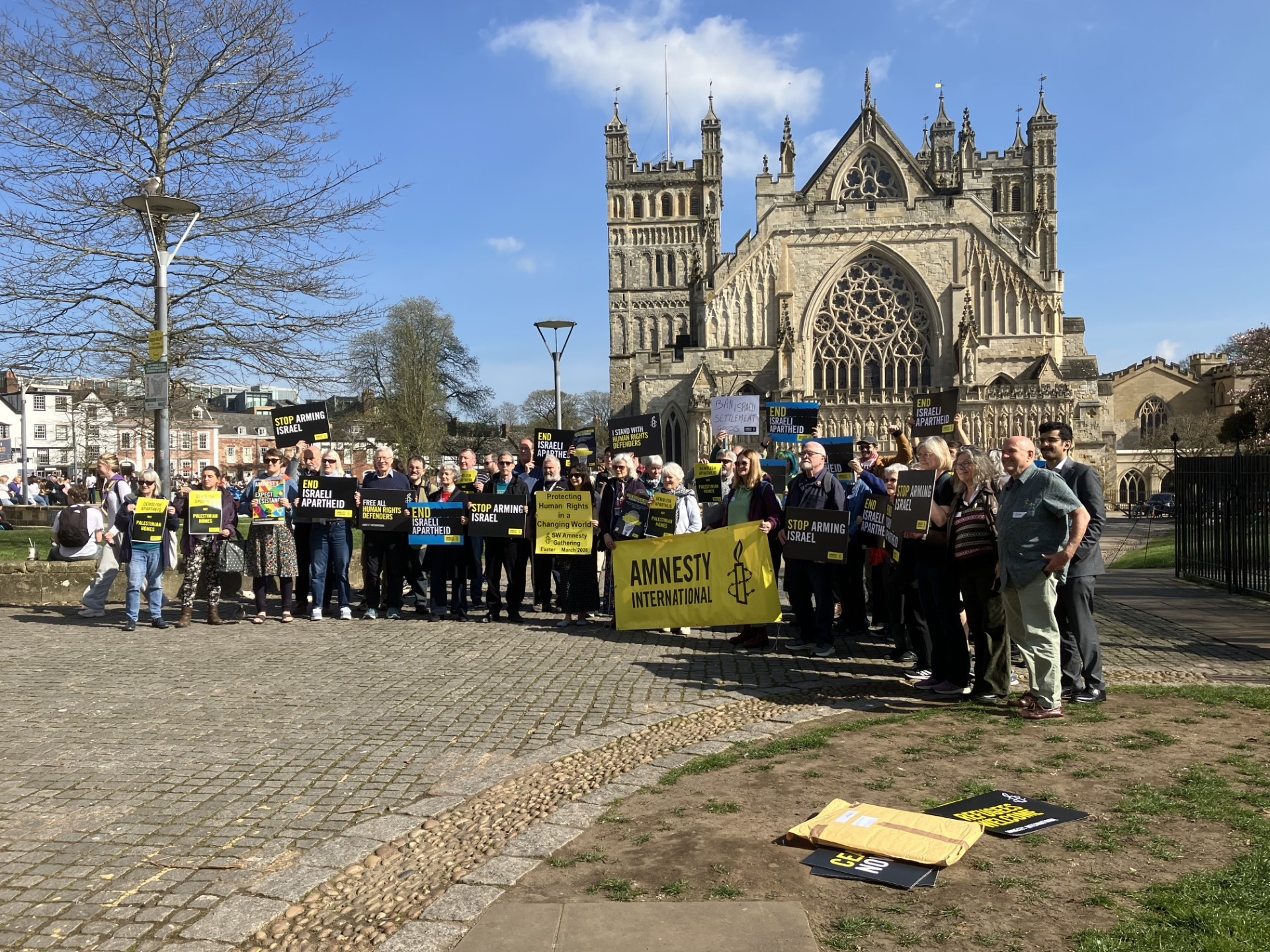
The photo is the traditional picture where delegates assemble in front of the cathedral.

Once again, thanks to the Exeter group for organising this excellent event. Thought of becoming a subscriber?


Recent posts:

Blog at WordPress.com.

Up ↑