Refugees and asylum seekers still generate a lot of political heat
May 2026
The International Organisation for Migration has produced its latest World Migration Report, covering 2024/5. It assesses the number of internally displaced people worldwide at 83 million, mostly due to environmental disaster, but about 20 million due to conflict. In 2025 there were 94 million migrants in Europe (i.e. people living in a different country from their starting residence). Of course, these figures include people who move for reasons of work or family, as well as refugees and asylum seekers.
At the end of 2024, there were 36.9 million refugees globally, with 31 million under the UNHCR mandate, and 5.9 million refugees registered by the United Nations Relief and Works Agency for Palestine Refugees (UNRWA). A further 5.9 million other people in need of international protection – largely from Venezuela – were reported at the end of 2024. The number of refugees under the UNHCR mandate has decreased slightly since 2023, when it stood at 31.6 million.
Increase in asylum claims
There were also approximately 8.4 million people seeking asylum status. This is a 22 per cent increase from the end of 2023. Despite partial reporting from the United States (only until mid-2024), the country still had – by far – the largest number of pending asylum claims (3.2 million) by end of 2024. Other countries with large asylum applications included Egypt (631,100), Peru (540,000), Germany (348,900) and Canada (292,100).
In 2024 alone, 3.1 million new individual asylum applications were registered globally, with half of these received in only four countries: the United States (729,100), Egypt (433,900), Germany (229,800) and Canada (174,000). Nationals of the Sudan, Venezuela, Syria, Colombia and Afghanistan comprised most new individual asylum applications in 2024. Obviously the situation will be somewhat different post-2024, particularly with regard to the USA.
At the end of 2024, children (that is, people under 18 years of age) made up around 41 per cent of refugees, people in a refugee-like situation and other people in need of international protection.
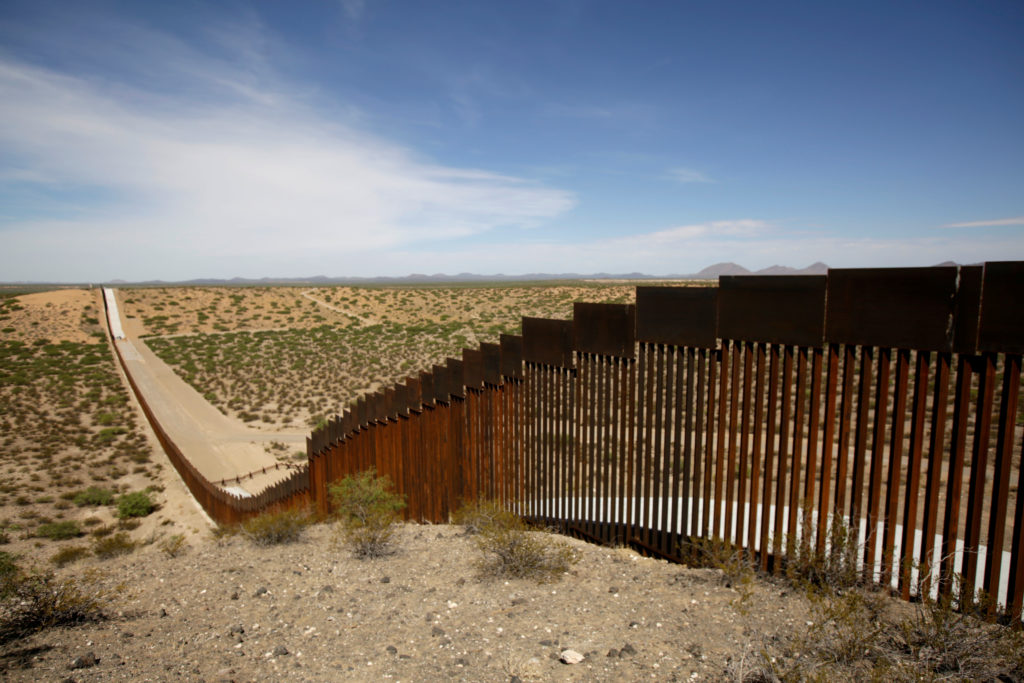
The (American) Migration Policy Institute have researched the question of anti-immigrant borders. They reckon that in 1989 there were 12 border walls, and there are now 74. The EU has increased its fenced length between 2014 and 2022 from 315km to 2,048 km. One of the results of this sort of growth has been the number of drownings at the US/Mexico border, up by 3,200% between 2020 and 2023. It was observed that tougher border policy has resulted in more seasonal migrants deciding to stay. Picture shows the wall between the US and Mexico.
UK situation
In the UK, the amount of legislation on immigration has now seen 6000 changes to the rules since 2010. The latest areas of conflict concern the 1 in 1 out arrangements with France, the prevention of family reunion, and the replacement of hotel accommodation for asylum seekers by use of military establishments. On the latter, the Institute for Public Policy Research has reported on the relations between claimants and the local community, and concludes that the main problem is the lack of transparency from government bodies, the absence of consultation and the lack of any obvious benefit from the newcomers’ arrival to the community. The IPPR support a community-based long-term social housing project that would be of benefit to all groups.
The Refugee Council has a briefing on how to respond to the government consultation on asylum support and family returns, which runs out on 28th May.
Other unhappy organisations include the Law Society (the new independent appeals body is not satisfactory) and 150 children’s’ social and legal organisations, who believe the latest changes in immigration rules amount to an attack on children’s rights.
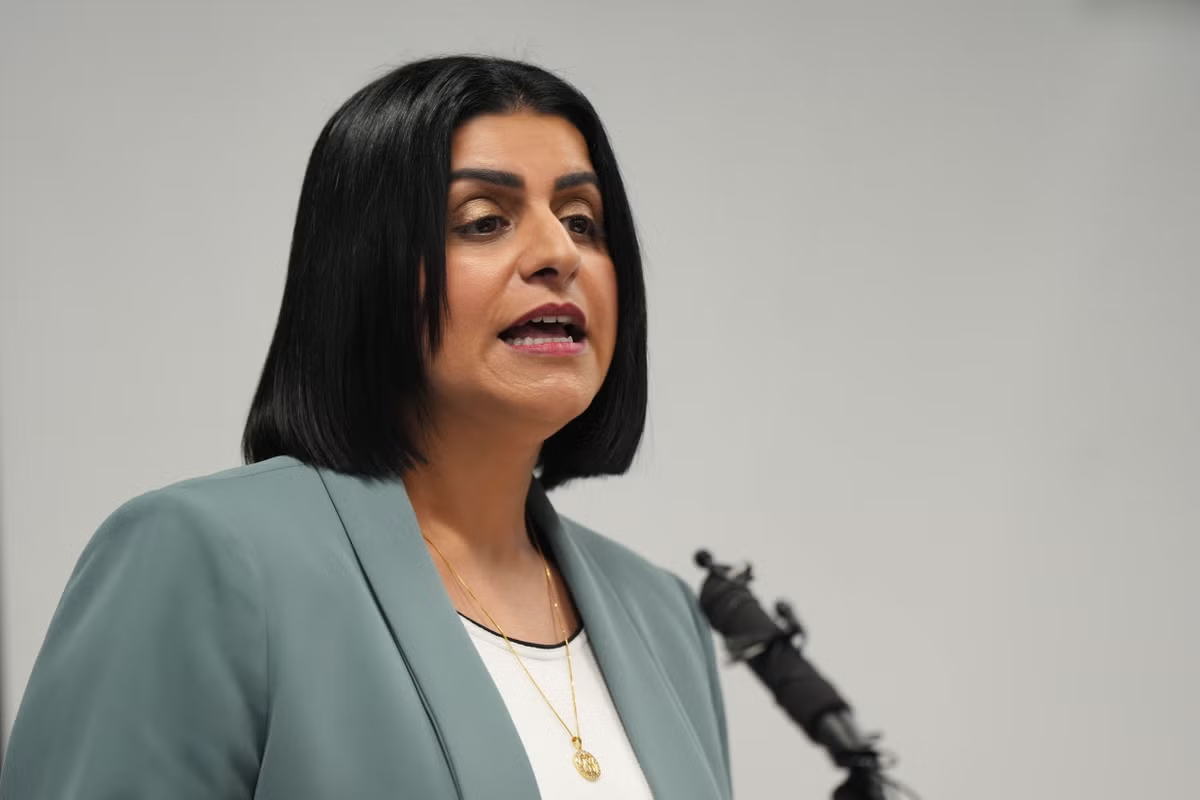
The government is withdrawing travel support for Afghans seeking to come to the UK, of which there are believed to be about 9,000. They will now have to make their own way vie third countries. The Home Secretary (pictured) has made a new agreement with France worth £662 million to provide more enforcement on the Channel coast beaches and better intelligence. The Home office say that 480 people smugglers were arrested in 2025. The Telegraph have quoted Ms Mahmood with saying that the crackdown on irregular migrants will give her room to allow more legitimate routes, but there is no detail on this as yet.
Reform’s claims
Other proposals in the air include Reform UK’s intention to deport migrants who have settled status if they arrived by non-legal means. This would amount to some 400,000 (and they claim would save £14.3 billion through 2029-34 (when they would presumably be in power). The (Reform) Lancashire County Council are withdrawing from the government’s resettlement scheme for accepted asylum seekers.
Nevertheless, the numbers of arrivals are down this year (by a third in the first quarter); the number of small boat arrivals in April 2025 was 11,000 against 7,000 this April. The net inflow (of all types of immigration) over the last three years has gone from 900,000 in 2023 to 400,000 in 2024 to 200,000 in 2025; obviously much of this is due to restrictions of work and student visas, but it remains striking. Next stats available 21st May
The Council of Europe are meeting on Friday in Moldova to discuss the issue of return hubs for refused asylum seekers. Various European countries have made bilateral arrangements and up to 12 countries have been named as possible recipients. The COE is the governing body for the European Convention of Human Rights, and possible changes to the ECHR will also be discussed.
The people behind Refugee Week (15th -21st June) are urging us to carry out a million acts of hope between 13th and 20th May. Details at A Million Acts of Hope – Together With Refugees