Three years since the October 7th massacre. What have we learned?
The first casualty of war is truth is a well worn saying and in the case of the war in Gaza it can be modified to say truth has been a continuing casualty. In this post we want to discuss the things we have learned about this conflict which has inflicted such terrible harm.
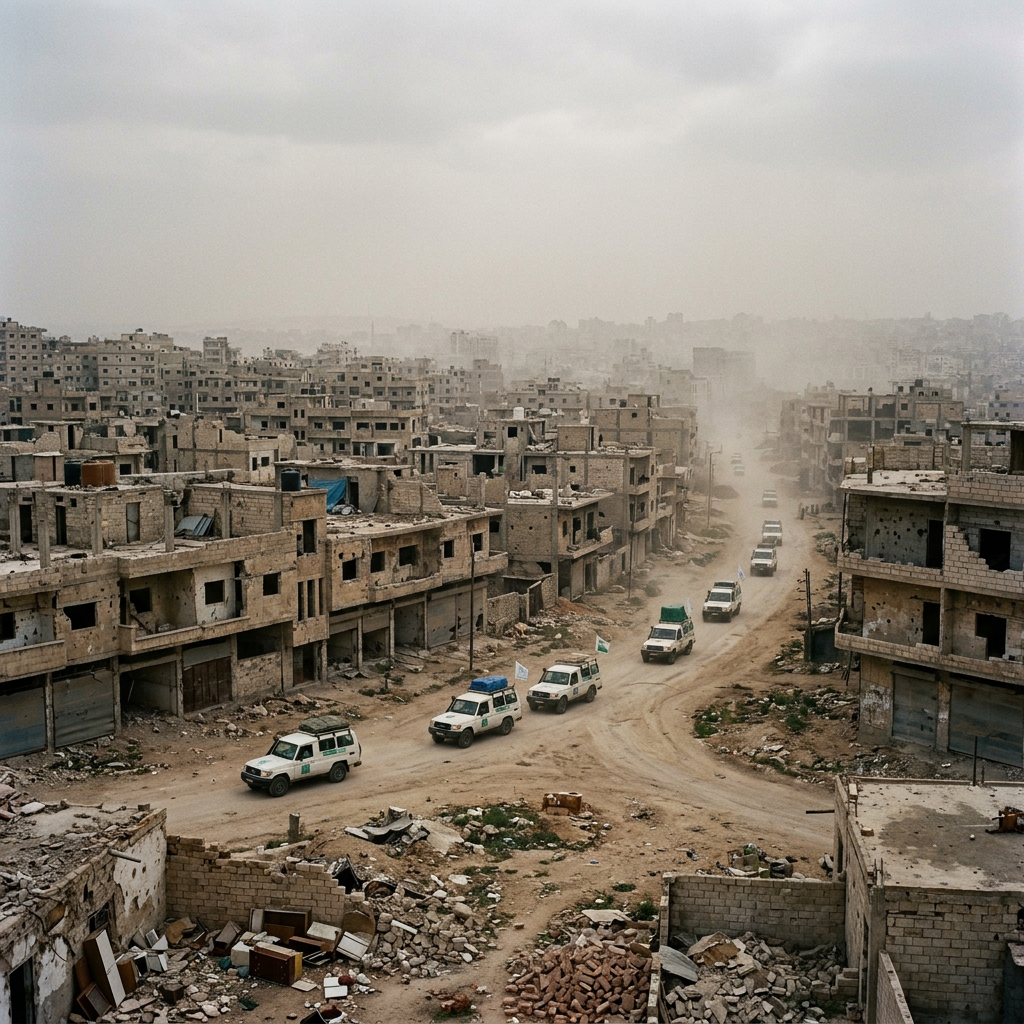
The recent history stems from the dreadful massacre which occurred on October 7th three years ago. 1,200 were murdered by Hamas attackers and 251 were taken hostage. It sent shock waves around Israel and around the world. It kicked off a series of violent events including the deaths of over 74,000 Palestinians in Gaza.
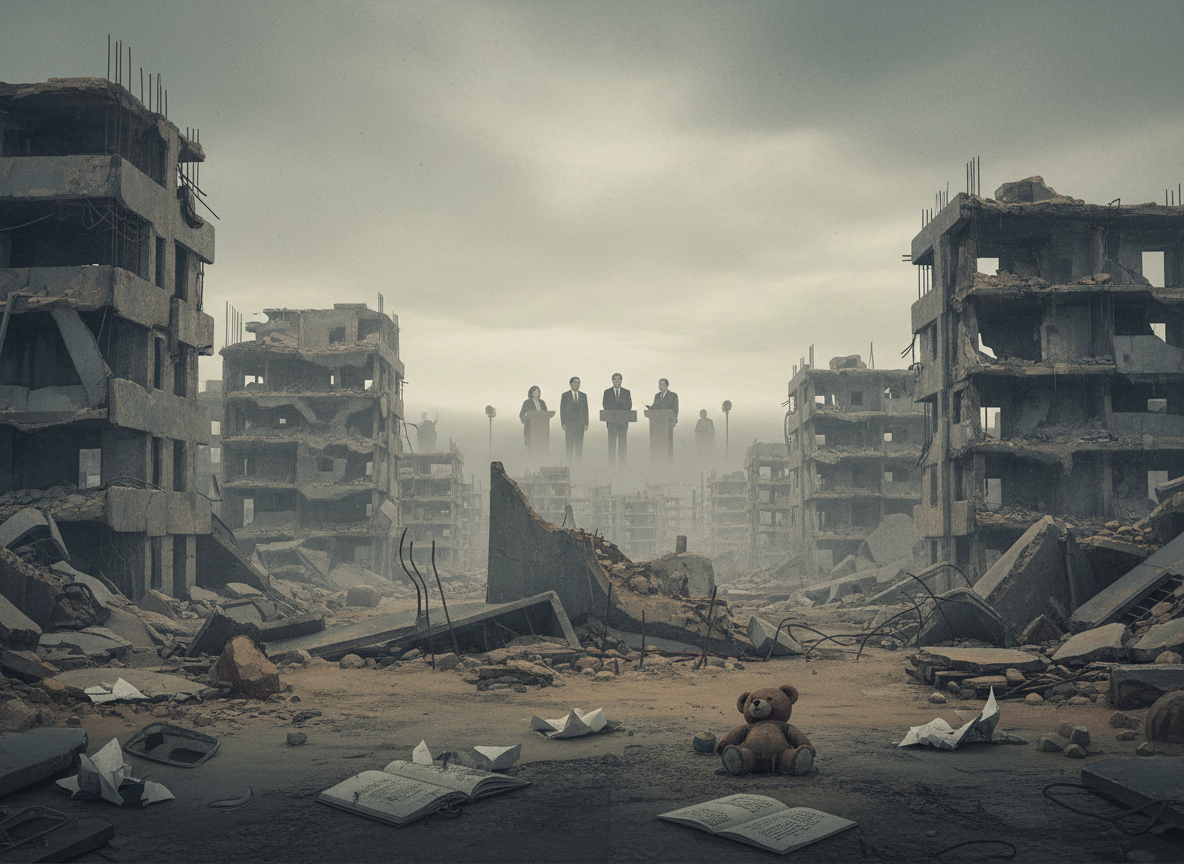
But what has been learned or achieved from this violence?
1 The first truth is that it has not brought Israel the peace and tranquillity it has for so long sought. The Zionist quest for a homeland has left them surrounded by neighbours who are at least wary of the state or are solid in their hostility. It has chosen the path of becoming a military superpower as far as the region is concerned. Its answer to so many questions and issues is violence. Violence in the West Bank is increasing and is largely unchecked.
That they are able to pursue this path of violence has largely been down to the support, military and diplomatic, which has been given to it by Western powers in particular the US. The UK has supported them but at a lower level. Despite the wholly disproportionate violence meted out on the population of Gaza, this support has continued. It seems impervious to public protest and disquiet.
2 Which leads directly to the second point which is the distorted way news of the conflict has been treated by the British media. The BBC has come in for serious criticism from the Centre for Media Monitoring and also the journalist Peter Oborne who came to Salisbury to speak about his book Complicit. In their defence it can pointed out that independent journalists have been banned from Gaza and large numbers of journalists who are there have been murdered by IDF snipers. Despite that, the corporation has given unequal weight to its reporting. At the head of this piece we quote the number of hostages taken by Hamas. There were frequent bulletins by broadcasters about their plight, moves to secure their release, interviews with those who were released and with Israeli politicians expressing horror at their captivity.
There was almost no mention of Palestinian hostages by contrast. The BBC and other media referred to them as ‘prisoners’. There were no interviews, bulletins or commentary for them. The horrific treatment they endured in an underground prison where torture was routine, was hardly mentioned. It was almost as though there were two worlds: one where Israeli’s suffering as hostages and whose plight was regularly detailed and another where Palestinian hostages almost became invisible. Any mention of ‘genocide’ will result in an immediate rebuttal by presenters. What the purpose of RAF overflights was likewise almost never mentioned.
This, and other omissions means we cannot rely on balanced reporting from our domestic media particularly with a conflict so politically weighted as this.
3 The shortcomings of our media are exceeded by the shortcomings of the political system. Many have noted the extensive membership of the various Friends of Israel groups in Parliament with around 150 MPs signed up. It really does raise a serious question about impartiality. Harking back to the previous point, it almost always the case that political interviewees are never asked about their membership. It has proved remarkedly easy for the Israeli government to suborn our politicians.
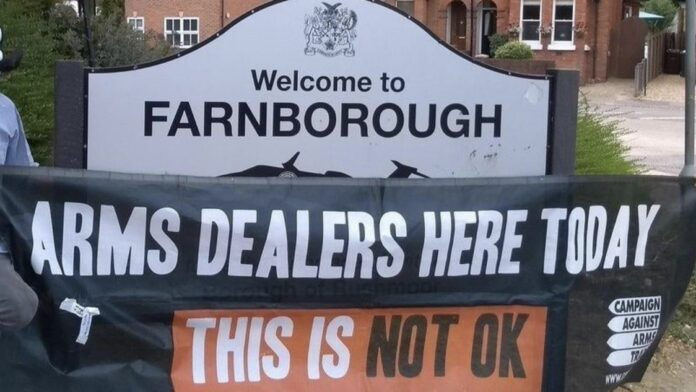
More serious is the continuing sales of arms to Israel only belatedly and partially curtailed by David Lammy MP. (there are doubts even about that. Israel import records showed no change). Along with sales to other despotic or authoritarian regimes, it seems as though arms sales take precedence over any consideration of the death and destruction they cause. Government claims that export controls are ‘robust’ are close to insulting the intelligence of the public.
Lesson: the political class is compromised and is not acting in the best interest of the country.
4 Knowledge of the origins of the conflict are not widely known or understood. There are many who believe October 7th was the start. Many believe the firing of rockets by Hamas is a cause. Few are aware of the 1948/49 Nakba (catastrophe) in which around 700,000 or more Arabs and Palestinians died. Few are aware of the Apartheid system in Israel (denied by them). Few are aware of the Balfour agreement and how that came about. Not understanding the history and the role of the West, and in particular Britain, in creating the situation leading to the current state means we are doomed to carry perpetuating it.
The lesson here, often the fact in all wars and conflicts, is that history is important. Failing to understand the background and why we are where we are, means many are ill-informed. When they are politicians or political commentators, the results can be significant.
Overall conclusions
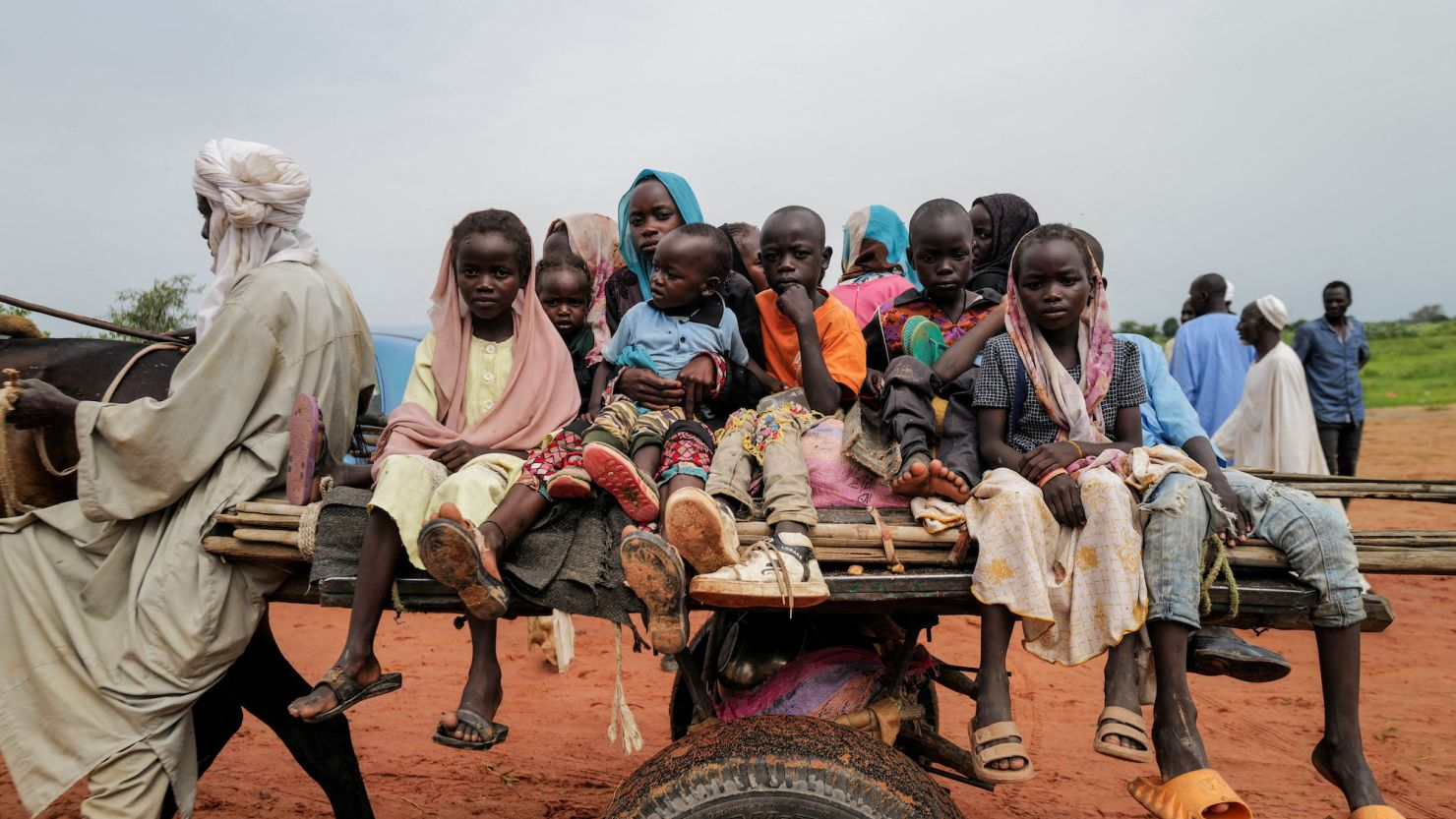
What are the overall conclusions? A powerful combination of a lack of historical perspective, combined with a desire to sell arms to almost all-comers, a parliament too easily suborned by a powerful and well-funded lobbying operation, and a media too frightened by the relentless claims of anti-Semitism or being anti-Israel, have led to a misinformed public and an epic disaster for the people of Gaza. 74,000 dead. More thousands lie buried in the rubble. Tens of thousands traumatise physically or mentally by the violence. This combination of cowardice and misinformation has played a key part in this disaster. It will come to haunt Israel in years to come.
There are signs of change. Ed Miliband’s statement a few weeks ago is welcome. The threatened closure of the Jerusalem consulate now to be a ‘mission’ demonstrates that criticism of violence in the West Bank is striking home. The mass walkout of the UN when Netanyahu rose to speak is a sign of Israel’s increasing pariah status. However, this change may well have come more quickly had the failings described here not taken place.
If politicians had resigned their membership of Friends of Israel, if the media including the BBC had treated both sides equally, had reported on things like apartheid, if both had not allowed themselves to bullied by claims of ‘anti-Semitism’ etc., and if there was greater recognition of an historical perspective, public attitudes might have been different.
It has been a tragedy made worse by our behaviour.
Another and depressing conclusion is the lack – in that favourite phrase deployed after a disaster or scandal – of ‘lessons learned’. There do not seem to have been any nor any move for an enquiry. We should be thankful at least for an absence of humbug.
Perhaps the biggest lesson is that any idea of a ‘new world order’ is dead. Or rather an order based on rights and the rule of law. It has been replaced by an order where might is right and notions of rights are a fond memory.