Regulation of Artificial Intelligence
October 2026
The Joint Committee on Human Rights has called for a new AI Bill to address the scale and seriousness of threats posed to human rights by artificial intelligence systems. Local MP, Sir Desmond Swayne is on the Committee. It points out that existing UK laws that could apply to AI do so primarily at the point of deployment, leaving the responsibility on its users rather than its designers. Regulators lack the power to test and evaluate AI systems before they are released, or to prevent their release if they are considered to pose unacceptable risks. Model developers engage with the AI Security Institute on a voluntary basis and it has no statutory power.
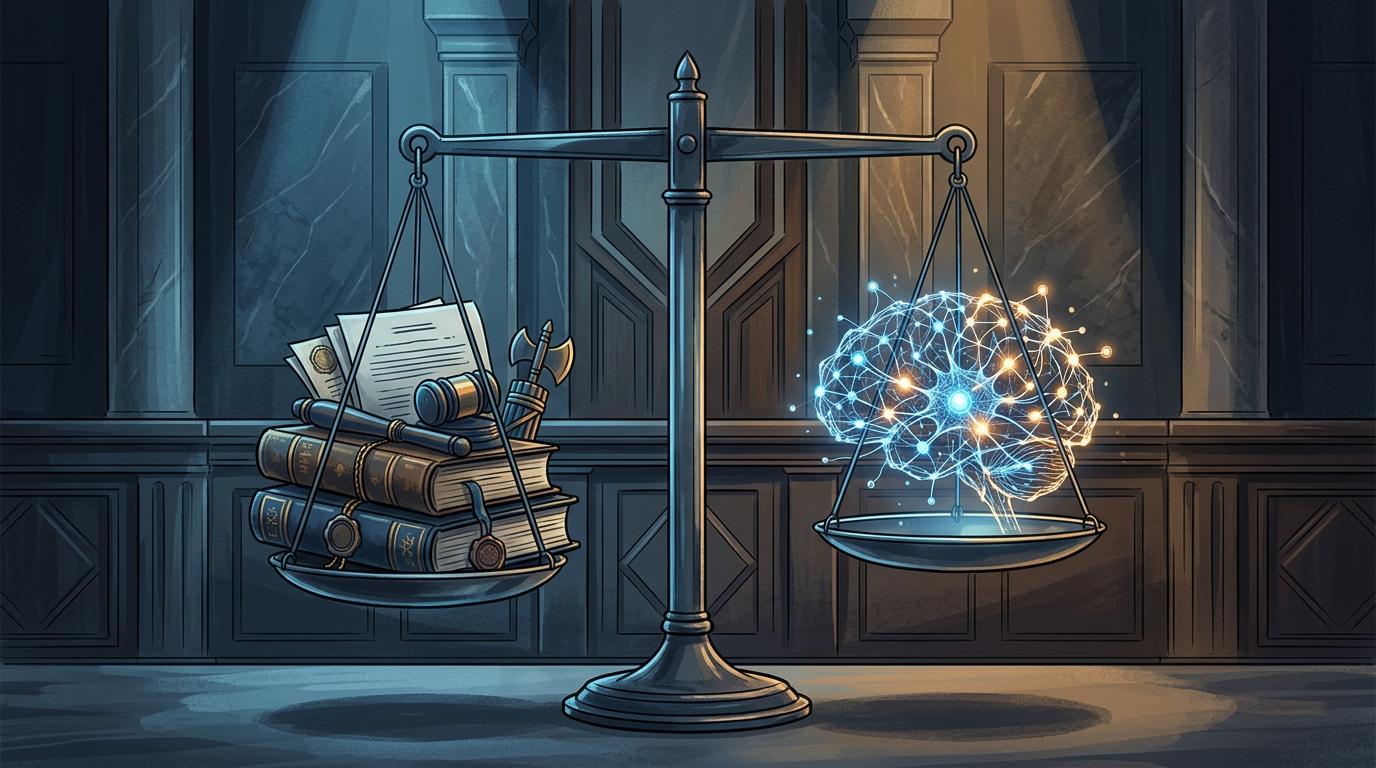
In a fast moving world with technology moving at breakneck speed, the current legal framework that applies to AI is fragmented and difficult to navigate. It relies on harm-specific and sector-specific legislation leaving gaps in protection which fails to address preventable human rights risks.
The right of an individual to seek effective remedy against decisions made against them is endangered by the use of AI. Insufficient transparency concerning how AI systems are used in decision making and a lack of effective mechanisms to challenge those decisions threatens the rights of people in the UK, particularly those of already minoritised communities, including Black and Minority Ethnic people. The right to privacy is also under serious threat.
To address the global nature of AI harms it argues governments need to collaborate to identify risks and promote consistent standards and that the UK should continue to play a leading role in international AI summits and seek to be party to international declarations and agreements on AI safety. (Source – Joint Committee [accessed 7 October])
Government approach to protest
Much concern has been expressed about successive government’s introducing legislation to try and limit protests. Climate campaigns and activities by Palestinian support organisations have come in for increasing controls and abundant arrests. Egged on by the right media with its talk of ‘zealots’ and ‘fanatics’, successive home secretaries have awarded the police more and more powers to clamp down on them. We have fundamental rights of assembly and of free speech which underpin protests.
Recent home secretaries have all been women who would not have been able to be MPs, let alone a home secretary, had it not been for the concerted and violent actions of the suffragettes. Many of the improvements to life we somewhat take for granted are the result of campaigns or protest movements.
The Parliamentary Joint Committee on Human Rights under Lord David Alton is launching an enquiry to look at the Government’s approach to protest: “We want to understand if the expansion of police powers relating to protest has been proportionate or if they will have a chilling effect on the right to protest. We will also examine if the new laws are effective in protecting wider society from the potential negative consequences of disruptive protest.”
Online privacy
The Investigatory Powers Tribunal is today considering how to take forward two legal challenges concerning the Government’s reported attempt to weaken end-to-end encryption for Apple users. One challenge has been brought by Apple. The other has been brought by Liberty, Privacy International and two individuals. End-to-end encryption is an essential security tool. It protects our bank details, health information, private conversations and photos, ensuring that only the sender and recipient can access the data being shared.
Surveillance
Between February and July this year, the British Transport Police ran a six-month live facial recognition trial across some of London’s busiest transport hubs – without making a single arrest.
The aim of the scheme was to catch offenders and people breaching court orders. More than half a million faces were scanned. The trial cost more than £320,000 and took up almost 100 hours of police time. This resulted in one alert which turned out to be incorrect. Despite this, the British Transport Police announced last month that it will be extending the trial for another four months and expanding it into London Underground stations.
Facial recognition is an essential tool used by repressive regimes such as China to control their citizens.
These two technologies, combined with a series of home secretaries keen to limit freedoms and giving police more and more powers, are a serious threat to our rights. We need to be aware of this.
- 150 Weeks of Salisbury Peace Vigils Marked by Strong Turnout
- 150th vigil today!
- NAZA – the film
- Latest vigil and other things
- Minutes and Newsletter
Thought of subscribing?