
Refugees and immigration have dropped down the political agenda. Irregular arrivals to EU fall
February 2026
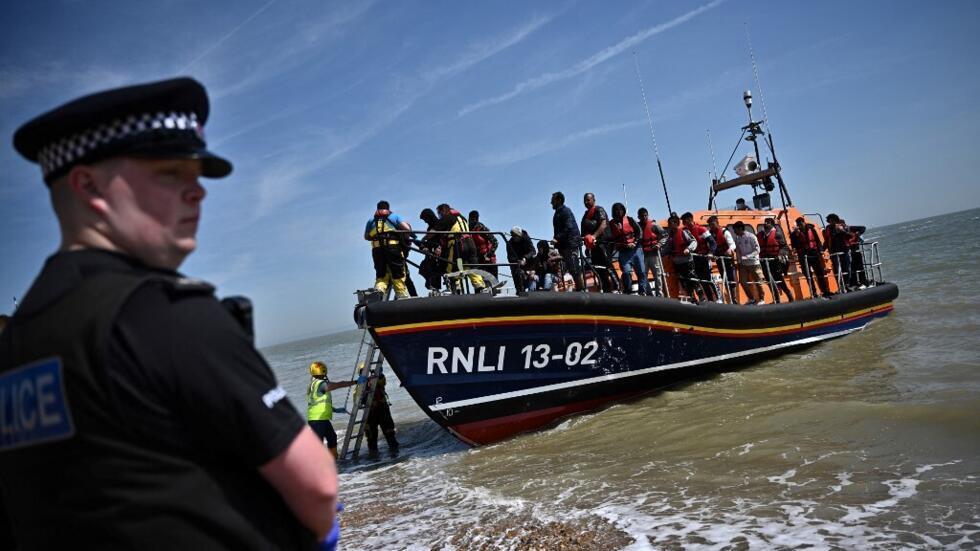
With nearly all the political attention focused on the future of the Labour government and Sir Keir’s likely survival together with the steady stream of resignations from No. 10 (soon be time for the old joke ‘will the last person to leave remember …’ etc) attention has shifted from the near constant focus on immigration and in particular the boat crossings.
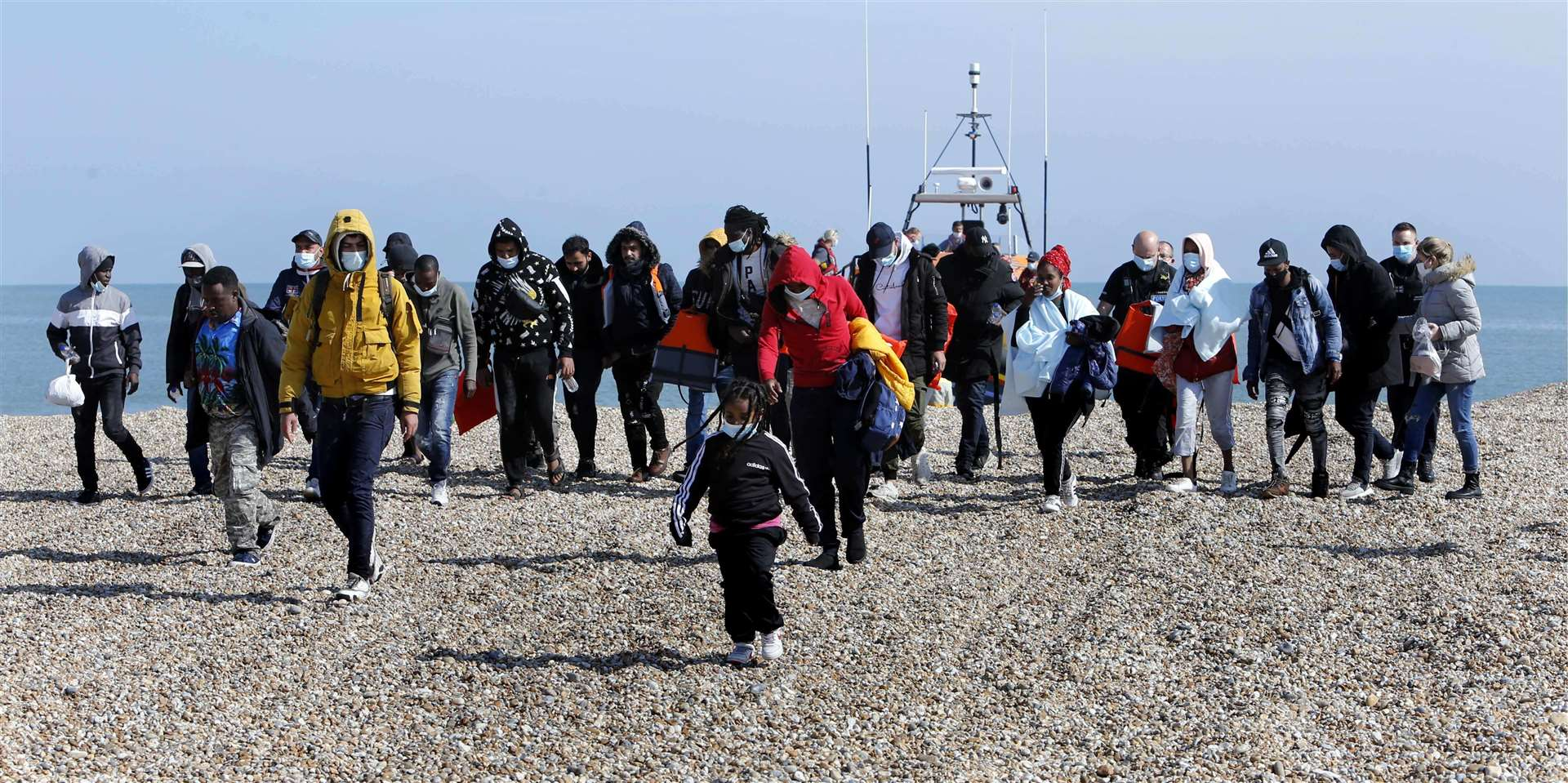
This month the focus has been on Europe, specifically the EU, who are developing a 5-year strategy prioritising deterrence, deportation and cooperation with non-EU countries. In the words of Ursula von der Leyen, ‘Europe decides who comes to the EU’. The view of Amnesty International is that the EU risks demonstrating complicity in rights violations by its proposed dependency on third countries. So far deals have been made with Tunisia, Mauritania, Egypt and Morocco, none of which has blameless human rights records. It is worth noting that irregular arrivals in the EU are down by 25% in 2025. While many European countries are making conditions harder for irregular arrivals, Spain has decided to regularise the status of 500,000 undocumented migrants, emphasising their value to the country.
Deportation is also looming large in the UK. Under threat of shutting down their visas, Angola, Namibia and the DRC have agreed to take back migrants claiming asylum in the UK. Numbers of removals have been made, especially to Albania, Brazil and India. In 2024, 32% of enforced removals were asylum-related, 25% of voluntary removals. The voluntary return numbers are not only people agreeing to go back home, but include anyone not going through the application process properly for whatever reason (the number of these who actually leave the country is unknown, of course).
The ‘One in, one out’ arrangement with France has so far resulted in 281 people going to France and 350 coming the other way. The journal ‘Medical Justice’ says that a high proportion of those involved are survivors of trafficking and/or torture.
Reduced backlog
In Britain, the backlog of asylum cases is going down although, as notes before, the number of refusals has gone up (probably due to less care being taken in the interviewing) so that there is a bigger backlog of tribunal appeals (and fewer qualified staff to deal with them). Barrister Colin Yeo has observed, “The only group to benefit from these long waiting times are those whose cases will ultimately fail; by the time that happens they will have been living here for years and it will be even harder for the Government to remove them than would otherwise have been the case”. As of last September, 17,000 claimants had been waiting more than a year for a decision.
The UK Government has been publicising its plans for new ways of dealing with the immigrant issue. Among them is a plan for ‘Named Community Sponsorship’ whereby local communities take the responsibility for inviting and incorporating migrants into the community. This would create safe and legal routes into the UK, but leaves the onus on local private projects and may result in cherry picking. The Ukrainian process would be the template, but no timeline has been given.
The Home Office is also talking of trialling new ways of housing irregular migrants to replace hotels following Refugee Action’s suggestion that authority for asylum seekers’ accommodation should go to local councils, not the Home Office. Local councils are resisting for fear of hostile public reaction.
The BBC have reported that there has been a surge in the number of refugee households that are now homeless, up from 3,520 in 2021/2 to 19,310 in 2024/5. The increase in waiting times and shortening of time available to find accommodation post-assessment are blamed.
In the wider world, the Sudan conflict has had a profound effect on its neighbour countries with 14 million displaced persons. 1.2 million have moved to Chad, a country where 42% of the population live below the poverty line.
March for Refugees
Finally, for anyone eager for exercise, Refugee Action are organising a March for Refugees, sponsored walking 30, 60 or l00 miles through the month. Details at Sign up to March for Refugees.
AH
- Well attended vigil
- Trade Minister a member of Friends of Israel
- Palantir and the threats to our rights
- Is a two state solution possible?
- Vigil No 120 attracts strong support
Become a subscriber?






 Amnesty in Salisbury & South Wiltshire