Immigration a hot potato again


Immigration has shot to the top of the political agenda again with a vengence

June 2026

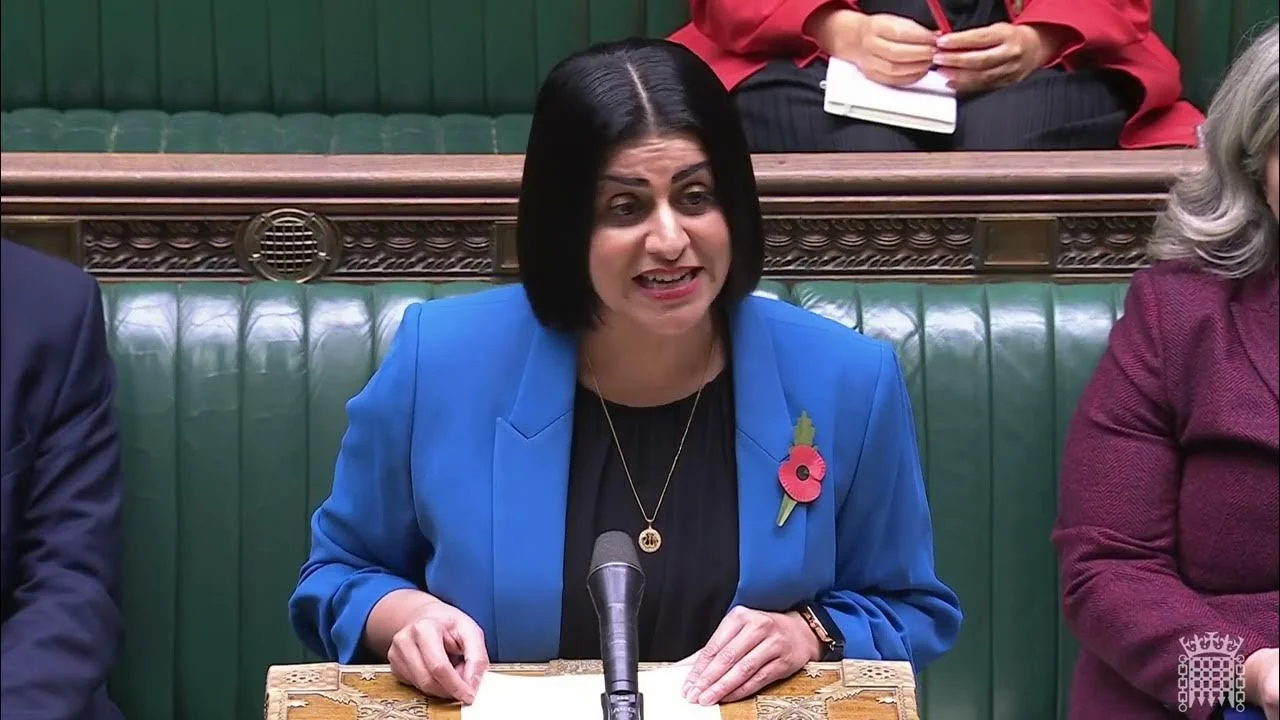
Riots in Belfast with houses lived in by immigrant families burned out, a massive police presence with water canons being used and civil disturbances in Southampton, have filled out screens in the past few days. A fierce debate in parliament and what some might term inflammatory statements by politicians have added to a sense that there is a crisis at the centre of which is immigration.

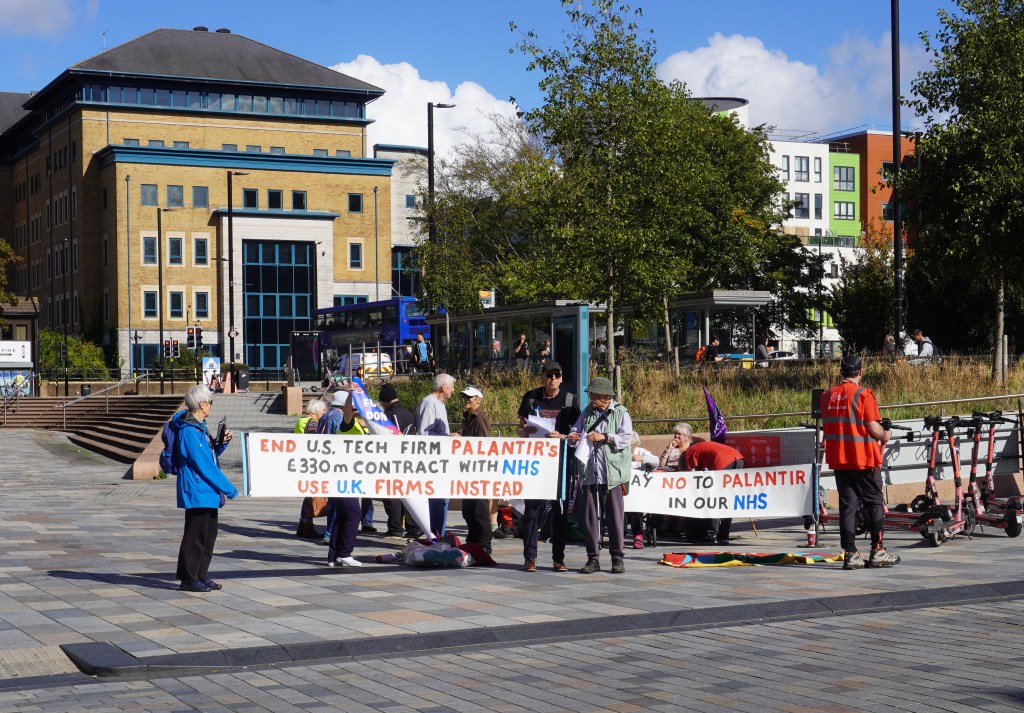
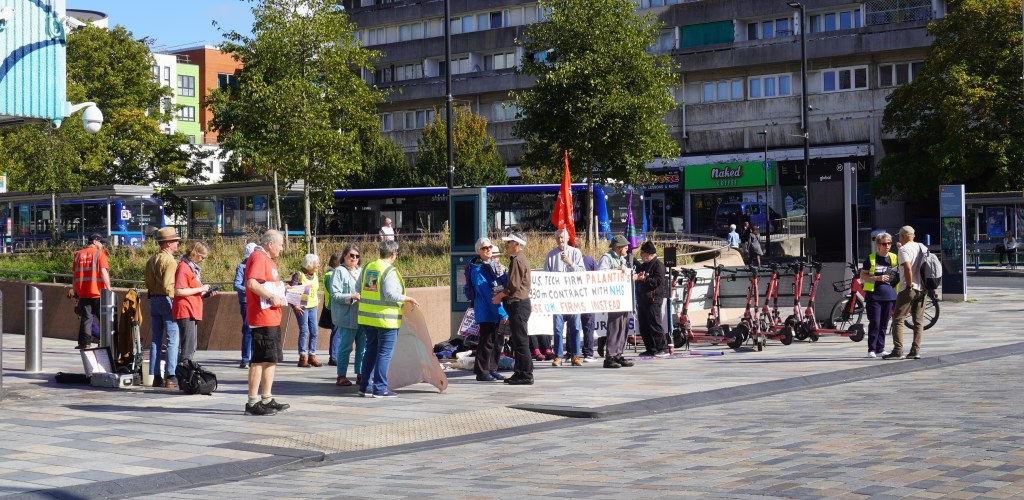
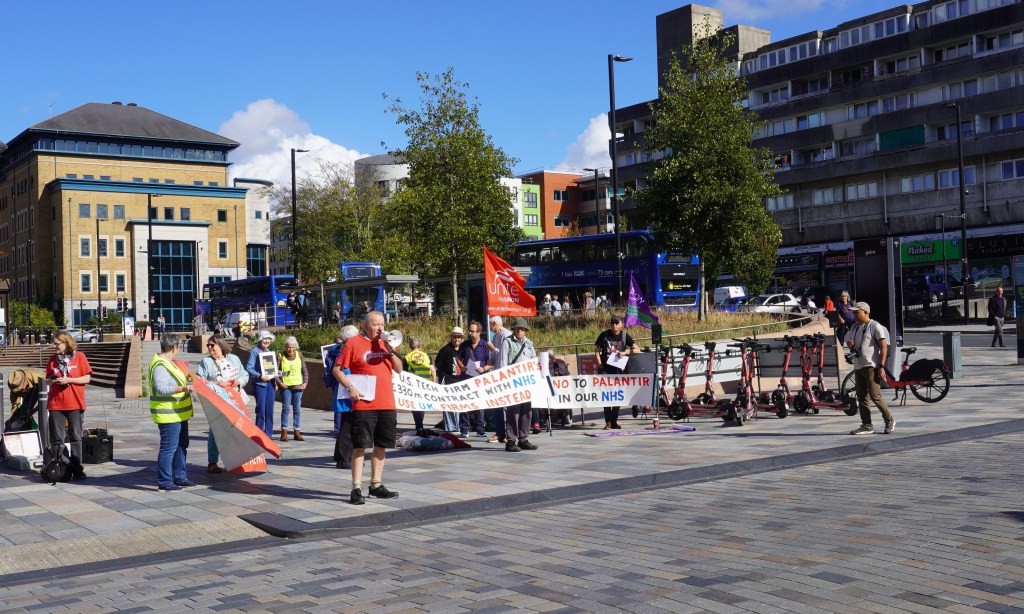
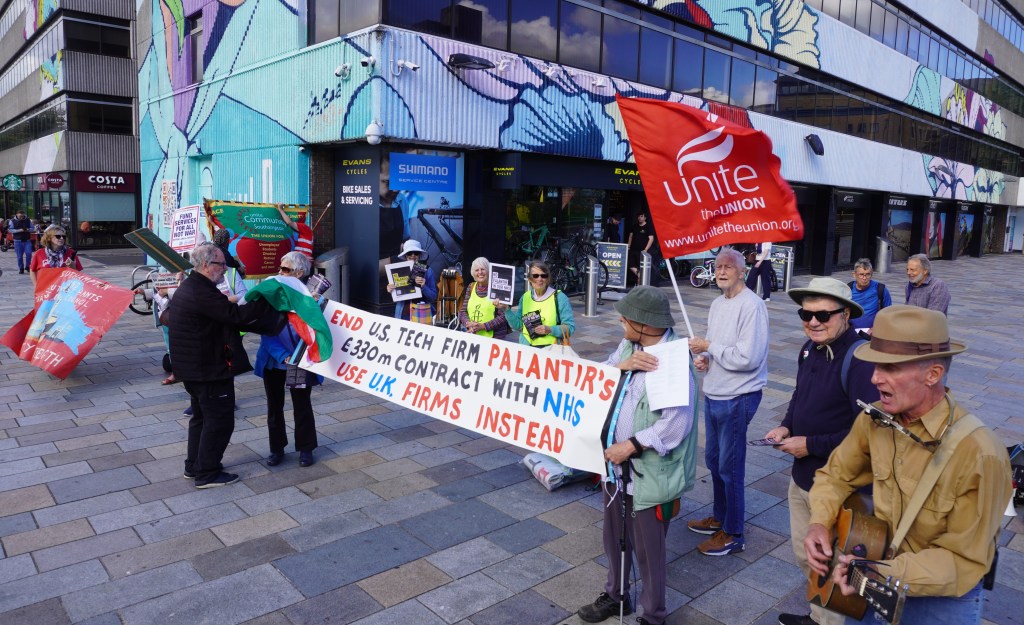
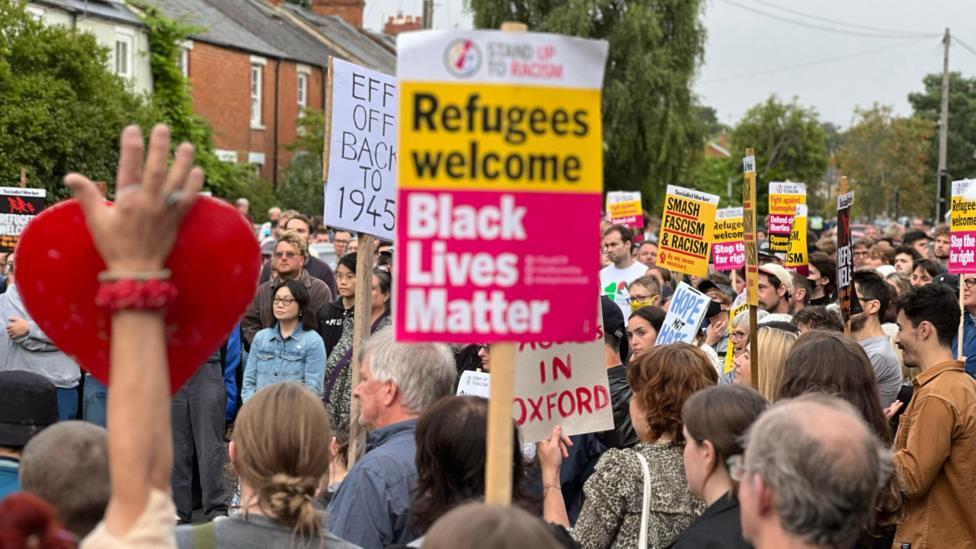
The violent knife attack by a Sudanese man who had entered Northern Ireland via the Republic, and before that France, has inflamed tensions with mobs directing their ire at all immigrants even those who have lived here for years and are a key part of the NHS for example. Posters in Southampton said things like ‘Enough is Enough’ and ‘Illegal migration is destroying our civilisation’. They claimed solidarity with those in Belfast. There were also counter protests (see image).

As with so many things to do with immigration, there is a great deal of misinformation fuelled by social media in particular although print media is not too far behind. Elon Musk has been widely criticised for his remarks on X and the promotion of comments by Tommy Robinson and Rupert Lowe (Restore Party).

Immigration: some of the facts

To get a global perspective on the trends in migration, a recent article in the Journal of Refugee Studies has found that most “forced migration”(its preferred term) in recent years has taken place in the Global South (76%), most of that being into neighbouring countries (in Africa and Asia primarily).  Turkey and Iran have been the biggest recipients.  At the same time, the UNHCR say that 10% of global refugees (some 11 million) have lost funding from the Commission in the last year.

In Europe, the Chisinau conference on dealing with the immigration issue ended without a decisive result.  Last year 7 Council of Europe countries declared that the ECHR had “gone too far” and “protects the wrong people.” The Secretary-General convened this meeting of European justice ministers, which issued a joint statement (not including France, Germany, Spain or Turkey, who take 60% of refugees to the continent), reaffirming their commitment to the ECHR, but allowing some movement in removing claimants and using offshore hubs.  The declaration is not legally binding, so local laws override it.  It is worth pointing out that only 0.7% of foreign offenders have won appeals against the UK at the Court (and a recent case at the UK Court of Appeal has shown how hard it is to use the infamous Article 3 argument).

Are the figures up or down?

Latest (2025) figures on irregular immigration to Europe showed Spain as the main host, followed by Italy and France (UK was 5th, but only 9th on a per head basis).  It is worth noting, though, that the number of arrivals on the European borders is down this year (by 40%), as it is in Britain.

In Britain, the latest British Future survey of public opinion noted that 49% of respondents believed that immigration is rising, when it is falling rapidly.  They also believed that asylum seekers make up 33% of immigrants (the actual figure is 9%). The latest figures on small boats (to late May) indicate that, at 8,565, they are down by 37% on 2025.  Pending asylum applications in Q1 were at 93,000, 12,000 down on last year.

Down, but you would not know it from the media or from politicians.

The House of Commons Public Accounts Committee has published a very critical report on the workings of the asylum system, which it says lacks direction and is given to short-term fixes.  Particular criticism was directed at the failings of the system of monitoring failed asylum seekers and the lack of a clear strategy for the move away from hotel accommodation for new claimants. One aspect of the failing system is that research has shown that, of persons held in immigration detention, only 27% had a lawyer and half were having to do their own legal representation.

The ongoing debate about indefinite leave to remain rumbles on.  Plans have been mooted to make the 5-year time requirement retrospective, which would affect 2 million people, including 300,000 children.  The Institute of Government has declared against such a scheme.  There is also an ongoing issue about classifying children as adults (with the Home Office attempting to use AI to help decide.)  The Helen Bamber Foundation claim that 755 children were classified as adults in the last year.  They have also a report out, interviewing some children on the stress of the proposed new restrictions.

The Migration Observatory report that the share of asylum seekers in hotel accommodation has halved since 2023 to 21%.  The North West has the highest incidence.  They also report the 3 in 10asylum seekers with active claims were not receiving any government support at the end of 2025.

The Rwanda deportation plan, now abandoned, cost the UK £270 million, to remove 4 people.  The Rwandan government’s claim for compensation was turned down this month by the International Court at The Hague.

Refugee Week

The Salisbury Group will have a presence in the Cheese Market in the City centre on Saturday 20th June from 09:00 till noon. Details in a later post.

AH


Recent posts:

Why not become a subscriber?

Right to protest under threat


Government making protesting more and more difficult

February 2026

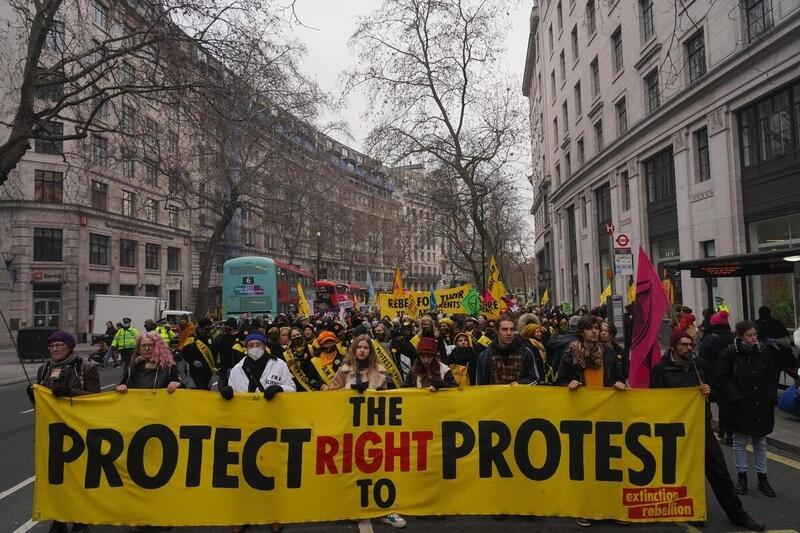
Successive governments have taken more and more steps to limit the right to protest. More laws are planned and existing laws are used to prevent or obstruct the right to protest. The laws have been used particularly against Palestine Action which has been banned on spurious grounds. A recent Channel 4 programme Palestine Action: The Truth Behind The Ban (registration needed) exposes the shaky grounds for the ban with the government alleged to have planted stories willing printed by the Times and other right wing papers claiming Iranian funding. Further legislation is planned to prevent repeated protests. Scotland is to hold a judicial review in March over the ban on Palestine Action.

On 4 February a jury at Woolwich Crown Court acquitted all of the first six Palestine Action activists of charges of aggravated burglary or violent disorder at Elbit Systems Filton factory. None had been charged with terrorism offences.

After more mass arrests of peaceful protesters at Wormwood Scrubs, the hunger and thirst strikes have now ended with five members released on bail, although the health implications for them will continue into the future. The family and lawyer of thirst-striker Umer Khalid claim they have been denied access to him since his hospitalisation on 26 January. By the time the remaining prisoners are charged, some individuals will have been in pre-trial detention for 2 years which is well over the six-month limit. The actions of the Palestine Action group in sabotaging Israel-linked arms manufacture Elbit, have resulted in the closure of the factory. Elbit has lost a £2 billion training contract with the UK government but continues to supply other military equipment and services.

The Extinction Rebellion appeal, backed by Defend our Juries, which claimed that the jury’s right  to vote according to their conscience had been interfered with in the judge’s summary at their trial, was dismissed in a Court of Appeal ruling. This, somewhat incongruously, recognised the validity of the conscience clause but denied their claim of judicial interference in this case. 

Proposed changes to ECHR  

David Lammy, Secretary of State for Justice, is seeking to limit access to rights in Article 8 of the ECHR for some violent prisoners. See a previous post for fuller discussion.

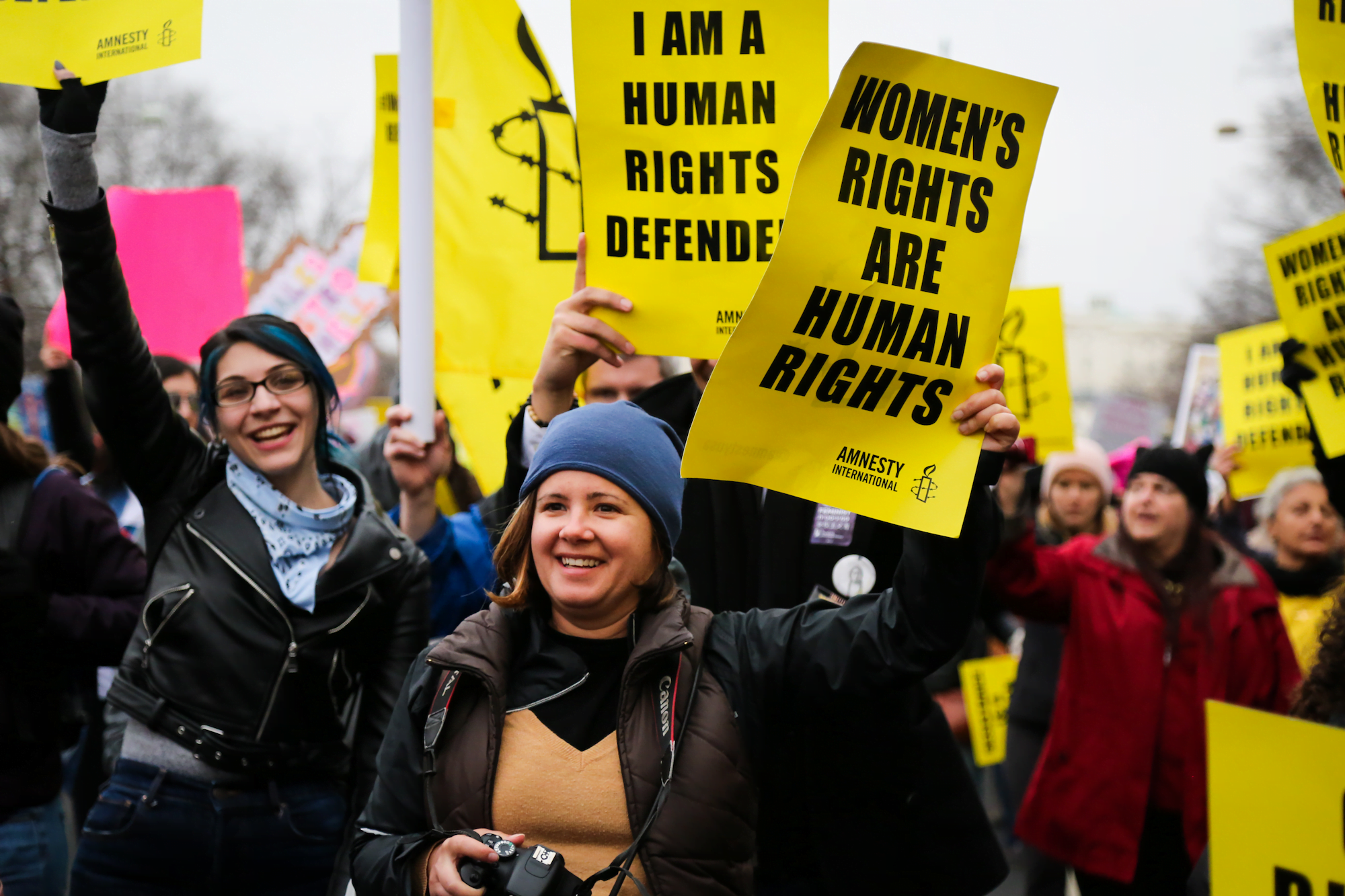
Liberty is joining forces with Amnesty International UK, Greenpeace, Palestine Solidarity Campaign, and Quakers in Britain, for a mass lobby of Parliament to defend our right to protest. Join us in London at Westminster Hall in Parliament from 2pm–5pm on Tuesday 17 March 2026.   

Human Rights Concerns in UK Protest Laws


Concerns about latest bill and affects on right to protest

January 2026

Liberty and other human rights organisations argue that proposals in this bill, currently going through the Lords, will block countless people from exercising their fundamental right to protest, risk criminalising marginalised communities, and prevent meaningful change.

Repeat Protests 

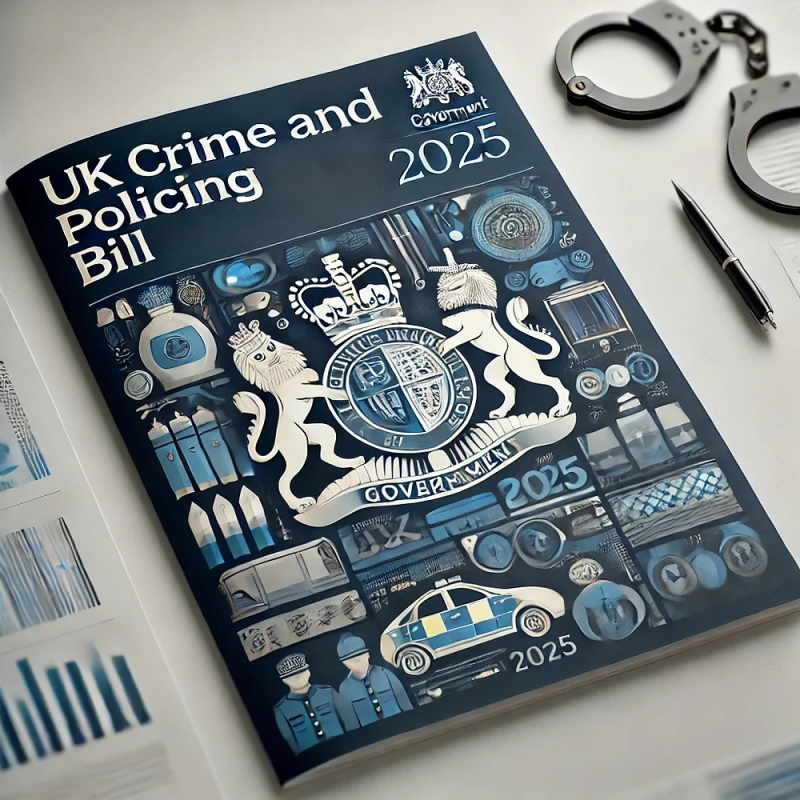
Clause 372 of the Crime and Policing Bill would give police the power ban repeat demonstrations in a designated area. If this is voted into law, senior police officers must consider the “cumulative disruption” caused by previous – or even future – protests in the area as a reason to ban a demonstration, regardless of whether they were organised by the same people or focused on the same issues. They would also decide what area is restricted, with no clear rules on its size. This means there could be borough or city-wide bans on protests, simply because a different demonstration took place the week before. This won’t just impact frequent large-scale marches; it could restrict emergency demonstrations on issues of grave importance, or the right to organise counter protests.

Since change is rarely achieved by a one-off demonstration outside Parliament (votes for women took nearly a century to achieve, as did a two-day weekend) this clause is viewed as inhibiting persistent lawful protest.

Face coverings at protests

Sections 118-120 of the Crime and Policing Bill will make it a criminal offence to wear a face covering at designated protests, and police will have the power to arrest or fine anyone breaching this condition. The lack of adequate safeguards in the Bill will particularly impact anyone who has to wear a face covering for health, religious, or privacy reasons. This could result in Muslim women, disabled people, and political dissidents being criminalised for attending protests with face coverings. Police already have the ability to require people to remove items if they believe they’re being used to hide their identity.

Demos polling shows that 86% of people believe everyone has the right to voice their opinion and raise awareness of issues. The Crime and Policing Bill will strip this right away from those who can only protest safely with a face covering.

Protests outside places of worship 

Section 124 of the Bill also proposes giving the police powers to restrict protests ‘in the vicinity’ of places of worship. Police already have the power to restrict protests based on their intention; this prevents genuine harm or disruption to religious communities. This new clause would instead ban protests based on the fact there is a place of worship nearby, regardless of intention, with the only criteria being that these protests could be considered ‘intimidating’.

This very low threshold could capture almost any protest in towns or cities across the country. Regular demonstrations outside Parliament could now be restricted due to the numerous places of worship nearby, with no requirement to prove they are being targeted by protests.

Other amendments 382 A-D would make it harder to organise processions quickly in response to current events, and remove the vital “reasonable excuse” safeguard that helps prevent the criminalisation of peaceful protest.

CITIZENSHIP RIGHTS

The British Egyptian activist Alaa Abd el-Fattah will not be stripped of his citizenship as, according to the Home Secretary Shabana Mahmoud. His ‘abhorrent’ social media posts of a decade ago do not meet the legal bar for revocation. The necessary criteria would include fraudulent acquiring of citizenship or terrorism charges or links with serious organised crime.

The British government helped secure the activist’s release from years in an Egyptian jail but after his arrival in London from Egypt on Boxing Day, opposition parties called for him to be deported and his citizenship revoked, citing tweets in which he called for Zionists to be killed. El-Fattah who was granted British citizenship while in prison in 2021 through his mother’s birth in the UK, has apologised for past social media posts.

Government sources said the bar on removing citizenship was set high to provide the necessary safeguards. There is a right of appeal against the decision to revoke citizenship. Shamima Begum’s appeal was rejected by the former home secretary Sajid Javid in 2019.

PROTESTS ON BEHALF OF HUNGER STRIKERS

A 500-strong protest was held outside Pentonville prison to express urgent concern at the government’s continued inaction in the face of the imminent death of three remaining hunger strikers of the so-called Filton 24. They have now been on strike for over 45, 59 and 66 days respectively (8 January). 800 medical personnel have signed a letter criticising the government’s handling of the hunger strikers.

Campaigners have called their treatment ‘punishment by process’ since none has yet been charged with a terrorist offence, only with burglary, criminal damage and violent disorder, relating to their entry into a factory run by Elbit Systems, the Israeli arms manufacturer.

While the CPS sets a maximum of six months on remand, the hunger strikers have already been imprisoned without trial since November 2024. Their actions took place before the banning of their pro-Gaza protest group, Palestine Action, a banning which is currently being investigated after an appeal supported by Liberty and Amnesty.

Previous posts:


On 21st January, we are hosting a talk by the author and journalist Peter Oborne about his new book ‘Complicit’. For details see the post about Britain’s role above. It is free with a parting collection.

Further restrictions planned on protests


Home Secretary will aim to increase curbs on repeated protests

October 2025

Governments throughout history have disliked protests and demonstrations. Thousands of people marching through the streets of London loudly, or even peacefully, stating their grievance or demanding a right denied to them, has long been part of our national life. Indeed, Sir Ian Gilmour in his book Riot, Risings and Revolution* describes the very many such events which took place in eighteenth-century Britain. Such was the violence that parliament was sometimes unable to sit for fear of MPs being dragged from their carriages. It is important to remind ourselves of this because the impression is sometimes created by present day politicians and some media commentators that this is some kind of new phenomenon. They are disliked because they disturb the current order. They give voice to injustice.

As we have noted before, the current home secretary, Shabana Mahmoud, is a woman as were previous home secretaries viz. Yvette Cooper, Suella Braverman, Amber Rudd, Theresa May and Priti Patel. All have the vote, all were/are MPs and are, or were, in parliament. That this is so is as a result of prolonged protest over many decades. They became violent as a (male) parliament refused to allow female enfranchisement. We could list other protests: to allow non property owners get the vote, for safety in the factories, to stop impressment and many other causes. All have the same or similar causes: people who feel that a government is more interested in satisfying or appeasing the powerful and are not listening to the powerless. Arms companies for example, have no need to spend a Saturday marching through London streets risking arrest and blistered feet, they – or their lobbyists – have direct access to ministers and senior civil servants all too happy to accommodate their wishes.

Frequency the problem

Mahmoud wants to get legislation passed to amend the Public Order Acts to clamp down on frequent protests. ‘Frequency of particular protests in particular places‘ she says ‘is in and of itself a reason for the police to be able to restrict and place conditions’. As a variety of civil rights organisations have pointed out, it is frequency which is the point. A single march or demonstration is unlikely to achieve anything much – the million or so who protested against the calamitous war in Iraq is an example.

She also claims, ludicrously, that they were ‘un-British’ and ‘dishonourable’. Clearly a minister who has only a slender grasp of British history.

There are a number of factors which seem to be at play here. The current ministerial statement came after the dreadful attack on a Synagogue in Greater Manchester. Marches were planned two days later on the Saturday in support of Palestine. There were many calls for the marches to be postponed. The organisers would not and went ahead with 488 arrested in Trafalgar Square. We can get a sense of the tensions at play in a Daily Telegraph article on 2 October Israel blames Starmer after synagogue terror attack which quoted without evidence, an Israeli source claiming the attack may have been ‘directed by Hamas’. Raphi Bloom is quoted in the Jewish Chronicle ‘that the community “will not forget the betrayal” over the UK recognising a Palestinian state, saying: “When you fail to act on constant calls to globalise the intifada, the results are that intifada came to our Manchester Jewish community with horrific consequences”.

It is clear that many people are upset and angry about the continued and wholly disproportionate killing and starvation which is taking place in Gaza. They are angry at the government continuing to allow Israel to be supplied with arms and the covert support by the RAF with their hundreds of overflights of Gaza. UK sales of arms to Israel reached a record high in June this year. They do not accept that there is a connection between the killing in Greater Manchester and Israel’s activities in Gaza and the West Bank. It can be argued that the Israeli government has perpetually conflated criticisms of its actions in Gaza and inaction in the West Bank as ‘anti-Semitic’ or ‘hatred of Israel’ and more recently as being ‘pro Hamas’.

The Home secretary’s plans to add to the legislation passed by the Conservatives is unnecessary and to quote an Amnesty director ‘ludicrous’. They may be part of a plan by government to look tough in the face of the increasing popularity of Reform and Nigel Farage. They represent a further step in increased authoritarian government and a desire to restrict protests generally.

*Pimlico (pub) 1992

Sources: Daily Telegraph, Jewish Chronicle, BBC (factcheck service), Sky News, Guardian, Wikipedia,

Anti-protest law modified


High Court loosens restrictions on demonstrations

May 2025

No government likes protests. They demonstrate, all too visibly, that the public – or a part of them at least – is not happy with them or the status quo. Depending on the degree of despotism, demonstrations are controlled or in the worst of countries, banned altogether. China has an extremely restrictive policy backed up by a massive and all pervasive surveillance system making protests all but impossible. Gulf states are also highly restrictive.

Demonstrations are often how change happens. Britain has many examples throughout its history of protest bringing change. Wat Tyler and the plight of the poor (serfs); the Poll Tax riots in 1381 and 1970; the Prayer Book rebellion; the Iraq War protest and of course the Suffragettes. There are many more examples. They do not necessarily bring about immediate change. They do show to politicians and others the depth of feeling that people have about their cause.

The last Conservative government was no different to others in disliking protests. What upset them the most were the climate protests. Just Stop Oil and other groups such as Extinction Rebellion, engaged in a series of eye-catching protests which shone a light on the government’s failure (in their eyes) to do enough to stop fossil fuel extraction.

Suella Braverman, then the Home Secretary resented these protests and introduced the Police, Crime, Sentencing and Courts Act in 2022 in an attempt to seriously curtail them. Controversially they introduced a change in the threshold wording from ‘serious disruption’ to ‘more than minor’. This was done by using a statutory instrument not after proper debate in the House of Commons. This had the effect of almost banning all protests.

Successful challenge

Liberty and other groups successfully challenged this in the courts and the new Labour government decided to appeal. This seems to demonstrate that the dislike of protest is not a party political matter: governments just do not like challenge. Last week (May 2) the Appeal Court ruled that ‘serious’ is not ‘more than minor’ and said that the anti-protest laws were introduced unlawfully. The regulations gave police almost unlimited powers to prevent protests taking place. Many were arrested using these powers.

The protests which so upset the previous government concerned fossil fuels. The fossil fuel industry is extremely powerful and well-funded. Several of the various think tanks based in and around 55 Tufton Street are thought to be funded by them. These include: The Tax Payers Alliance; Civitas; Adam Smith Institute; Global Warming Policy Foundation; Centre for Policy Studies and the Institute of Economic Affairs. Their funding is opaque but is thought to be mainly from fossil fuel companies such as the Koch corporation in the USA among others. They have frequent access to the media being interviewed on various BBC and commercial stations without ever being asked ‘who funds you?’ Their opinions often appear in newspaper columns. They employ large numbers of lobbyists and enjoy close contact with ministers and civil servants. They claim to be influential in forming policies to suit their interests. It was admitted by Rishi Sunak when he was prime minister that the Policy Exchange – another of these think tanks funded by Exxon Mobil – had drafted the anti-protest legislation.

Protest is crucial to enable the ordinary person to make their voice heard. As with the arms industry we highlighted in a previous post, governments are dominated by commercial concerns, the need for growth and the enormous power and influence of companies and their army of lobbyists. Around £2bn per annum is spent by firms on this activity. It is welcome news that the Appeal Court has ruled against the government and its ‘draconian’ anti-protest legislation.

Our right to protest


Government restrictions on protest are damaging to our democracy

December 2024

A key part of our democracy is our ability to protest peacefully. We have a right to free speech and a right of assembly. The Conservative government passed several laws which restricted these rights but the new Labour government seems in no hurry to repeal previous legislation.

The public is in two minds about demonstrations. They object to the climate protestors and some are happy that they were jailed for throwing paint at pictures or obstructing the M25. In the last century, there was similar disquiet at the suffragettes who took actual violent action in their pursuit of their desire for votes for women. They were referred to as ‘terrorists’ and ‘anarchists’ in their day.

What is not understood or widely accepted is that governments are not too keen at having their policies objected to. They are able to force through poor or ill-thought through legislation by whipping or coercion of their MPs. If the public objects or points out inadequacies in their policies their instinctive reaction is to stifle them. Many reforms come about as a result of protest, rights for gay people for example. With the new legislation, they have given wider powers to the police to arrest or prevent such demonstrations. Forty people will be behind bars this Christmas, in already overcrowded prisons, for planning or taking part in protests either for climate change or Gaza. British police arrest environmental protesters at nearly three times the global average rate, research has found, revealing the country as a world leader in the legal crackdown on climate activism.

Public opinion is clearly influenced by the media which adopts a variety of different positions concerning protests. Some of the tabloids are keen to demonise climate protestors using words like ‘thugs’ or ‘eco zealots’. Some are happy to demonise those who are in support of Palestinians. Declassified has produced a video of a march in support of Palestine. The march was peaceful yet it was smeared by both the Times and Daily Mail. The latter suggested that it was sufficiently threatening for MPs to be frightened of leaving Parliament. The film shows this to be nonsense. There were two protestors and MPs were able to leave unmolested! Members of the public are seen strolling by. Police are stood about chatting. Orthodox Jews are present in support of the demonstration. This is but one example of our legacy media creating the impression of violent anti-Semites and anti-Israel protestors. It is interesting to note that the farmers held protests in London a week or so ago blocking roads with tractors. None were arrested and they were not demonised by the media.

Liberty are launching a campaign #WeProtest. They are on a mission to restore protest rights after years of decline, by making the case for how protest has made the UK a better place for everyone. We all have the right to speak out on issues that matter to us and our communities. Perhaps it’s saving your local library, or equal rights, or environmental justice. Whatever is important to you, you have the right to protest. This campaign is in partnership with the thinktank Demos.

Few reforms would come about without protests from the public. It is vital we retain that right.

Blog at WordPress.com.

Up ↑