News about Richard Glossip, Oklahoma


Some welcome news from this state

November 2026

On November 12, Richard Glossip entered a plea agreement, pleading guilty to accessory after the fact in exchange for the prosecution dropping its first-degree murder charges against him for his alleged role in the 1997 โ€œmurder-for-hireโ€ of Barry Van Treese, his boss at an Oklahoma City motel. Mr. Glossip was released in May 2026. as it was acknowledgment that evidence โ€œdoes not support that he is guilty of first degree murder beyond a reasonable doubt.โ€ The state was set to go to trial on December 7, but with Mr. Glossipโ€™s guilty plea, the state will proceed with sentencing on December 17.

Murder charge dismissed

Following the hearing, Mr. Glossipโ€™s long-time attorney Don Knight released the following statement:

โ€œFor 30 years Richard Glossip has maintained his innocence. After nearly executing him nine times, the State of Oklahoma has now dismissed the murder charge against him. This morning, to finally put this matter to rest, Rich pleaded guilty to be an accessory after the fact. We believe Rich has more than paid his debt to society by spending nearly 30 years on death row, during which time he was served three last meals, and came within minutes of being executed for a crime he did not commit.โ€ Mr. Knight added, โ€œIn 1997, had Rich been given the longest possible sentence for the crime he pled guilty to today, he would never have been on death row and would have been released ten years ago. We look forward to an opportunity to show why returning him to custody would not service the interests of justice, and to ending this nightmare for Rich and all concerned.โ€

Justin Sneed, a co-worker of Mr. Glossipโ€™s, confessed to killing Mr. Van Treese but testified at trial that Mr. Glossip paid him to do so and helped cover up the killing. Mr. Sneed was sentenced to life in prison without the possibility of parole for his involvement in the murder. Mr. Glossip was first sentenced to death in 1998, but his conviction was overturned in 2001. In 2004, the state again pursued a death sentence, and a jury sentenced him to death.

Important information not disclosed

An independent investigation carried out by the law firm Reed Smith previously found that Mr. Sneed discussed recanting his testimony over the course of a decade, both before and after Mr. Glossipโ€™s 2004 conviction. A handwritten note from Mr. Sneed to his attorneys, states, โ€œDo I have the choice of recanting at any time during my life?โ€ An additional handwritten note indicates that Mr. Sneed believed his testimony to be a โ€œmistake.โ€ These notes were never given to Mr. Glossipโ€™s defense team. Reed Smithโ€™s investigation also included documentation of conversations between Mr. Sneed and Reed Smith lawyers in which he agreed that he talked with his mother and daughter about recanting his testimony, something he previously denied.

In a 5โ€‰โ€“โ€‰3 decision issued in Glossip v Oklahoma on February 25, 2025, the U.S. Supreme Court threw out Mr. Glossipโ€™s 2004 conviction for arranging Mr. Van Treeseโ€™s murder, and ordered a new trial because prosecutors allowed a key witness to lie in court and withheld crucial information about the same witness. Writing for the majority, Justice Sonia Sotomayor said that prosecutors in Mr. Glossipโ€™s case โ€œviolated [their] constitutional obligation to correct false testimony,โ€ and thus, he โ€œis entitled to a new trial.โ€

On June 9, 2025, AG Drummond announced his office would retry Mr. Glossip but would not seek the death penalty. The Attorney Generalโ€™s office noted that the man who admitted to actually murdering Mr. Van Treese with a baseball bat, Mr. Sneed, is serving a sentence of life without parole. In a statement released following this announcement, AG Drummond said, โ€œWhile it was clear to me and to the U.S. Supreme Court that Mr. Glossip did not receive a fair trial, I have never proclaimed his innocence.โ€

Glossip’s case illustrates the issue of failings or mistakes in the justice system could lead to someone being executed who should not be. He has received three last meals and is fortunate still to be alive.

…

Amnesty is opposed to the death penalty in all circumstances. The Salisbury group publishes a report each month on the use of the penalty around the world. We are grateful to the Death Penalty Information Center for much of the text of this post. Further background can be found on the Oklahoman.


Latest death penalty report


Report for mid-May to mid-June

June 2026

We are pleased to attach our latest report on the death penalty around the world thanks to group member Lesley for the work in compiling it. Although there is mention of a case in China, that country does not appear despite executing more or its citizens than the rest of the world combined.

Podcasts


New feature on this site

June 2026

A new feature on the site which will appear from time to time, is podcasts. The first is below. Note they are produced by AI but from texts written and researched by us not using any AI. It is an amalgamation of more than one text post. Feedback is welcome. We hope you enjoy listening! If you are not used to these, click on the heading and you will see a sound bar with the text displayed below it.


Recent posts:

Richard Glossip interview


Glossip is interviewed after his release from prison

June 2026

After facยญing nine exeยญcuยญtion dates, and being givยญen three last meals, Richard Glossip was released on bail on May 14, 2026 and set foot outยญside of prison walls for the first time in nearยญly three decades. In an interยญview with The Intercept, Mr. Glossip disยญcussยญes adjustยญing physยญiยญcalยญly and emoยญtionยญalยญly to his new life as he awaits a posยญsiยญble retriยญal for the 1997 crime that sent him to death row, despite his longยญstandยญing claims of innoยญcence. Oklahoma County District Judge Natalie Mai ordered his release on a $500,000 bond, statยญing โ€‹โ€œThe Court hopes that a new triยญal, free of error, will proยญvide all interยญestยญed parยญties, and the citยญiยญzens of Oklahoma, the cloยญsure they deserve.โ€

“I tried nevยญer to let myself become instiยญtuยญtionยญalยญizedโ€ฆ But I mean itโ€™s hard. You go through all these horยญriยญble things and all these difยญferยญent dates โ€ฆ and last meals and everyยญthing. And then it doesnโ€™t look like this day will ever get here. But you always hope that it will“.

Mr. Glossip said of the wideยญspread attenยญtion on his case, โ€‹โ€œItโ€™s overยญwhelmยญing but itโ€™s amazยญing at the same time.โ€ Since his release, he has been able to reunite with his wife Lea, with whom he first corยญreยญspondยญed and latยญer marยญried while in prison. In a conยญverยญsaยญtion with The Intercept, Mr. Glossip described iniยญtialยญly havยญing difยญfiยญculยญty sleepยญing withยญout the conยญstant noise of prison, eatยญing at a neighยญborยญhood Italian restauยญrant with his wife, and going food shopยญping. He also disยญcussed feelยญing supยญportยญed by his comยญmuยญniยญty in Oklahoma. He recountยญed sevยญerยญal stoยญries of being recยญogยญnized, includยญing by a barยญber who refused payยญment for his hairยญcut, telling Mr. Glossip it was โ€‹โ€œan honยญorโ€ to cut his hair.

“Once youโ€™re out here and you see all the things that was takยญen away from youโ€‰โ€”โ€‰and all the times they almost took everyยญthing away from me, my life and everyยญthingโ€‰โ€”โ€‰you see all of it nowโ€ฆ And it kind of still makes me angry at times because none of this should have ever hapยญpened. And this should have nevยญer been takยญen from me in the first place”.

Mr. Glossip is now awaitยญing a posยญsiยญble retriยญal for his alleged involveยญment in the 1997 โ€‹โ€œmurยญder-for-hireโ€ of Barry Van Trees, his boss at an Oklahoma City Motel. Oklahoma Attorney General Gentner Drummond, who preยญviยญousยญly conยญfessed error in the prosยญeยญcuยญtions that endยญed in Mr. Glossipโ€™s death senยญtence, announced that his office will not seek the death penalยญty in his new triยญal. The Supreme Court vacatยญed Mr. Glossipโ€™s conยญvicยญtion and death senยญtence in February 2025, findยญing that prosยญeยญcuยญtors allowed a key witยญness to lie in court and withยญheld cruยญcial inforยญmaยญtion from the defense about the same witยญness. AG Drummond, who supยญportยญed Mr. Glossipโ€™s appeal to the United States Supreme Court, now says โ€œโ€ฆmy office will make sure Mr. Glossip receives a fair triยญal based on hard facts, solยญid eviยญdence and truthful testimony.โ€ 

Theyโ€™ll make the right deciยญsions. I know they will. I wouldnโ€™t be out here today if they wasnโ€™tโ€ฆ So Iโ€™m just going to let them hanยญdle it. โ€ฆ Iโ€™m just gonna enjoy life.

This text is from the World Coalition Against the Death Penalty


Previous posts:

Why not become a subscriber?

Good news from Oklahoma


Richard Glossip released after nearly three decades on death row

May 20

We are pleased to report the release on bail of Richard Glossip for whom we have campaigned for many years. His case is a long and tortuous one and he has been served ‘last meals’ on three occasions. He has been on death row for 27 years. In the endless series of trials and appeals it seems to be clear that the prosecution case was always weak. The crime was the murder of Barry van Treese in 1997 and Glossip was alleged to be the killer.

The prosecution allowed its key witness, Justin Sneed, to provide false testimony about his mental health and medical treatment. The new evidence showed that Sneed was diagnosed with bipolar disorder and prescribed lithium, facts that were withheld from the defence. At trial, Sneed falsely claimed he was never treated by a psychiatrist and received lithium mistakenly. This falsehood was material because Sneedโ€™s testimony was the only direct evidence implicating Glossip, and impeachment of his credibility could have influenced the juryโ€™s decision. The prosecution had prior knowledge of Sneedโ€™s mental health treatment and still failed to correct the misstatement when it was made to the jury.

Correcting this false testimony would likely have changed the juryโ€™s assessment of Sneedโ€™s reliability. The prosecution is alleged to excluded exculpatory evidence, interfered with witness testimony, and allowed destruction of key physical evidence. Given these cumulative errors and their impact on the fairness of the trial, Glossip is entitled to a new trial. The Oklahoma Court of Criminal Appealsโ€™ rejection of the attorney generalโ€™s confession of error was based on a misapplication of federal law.

Free for now

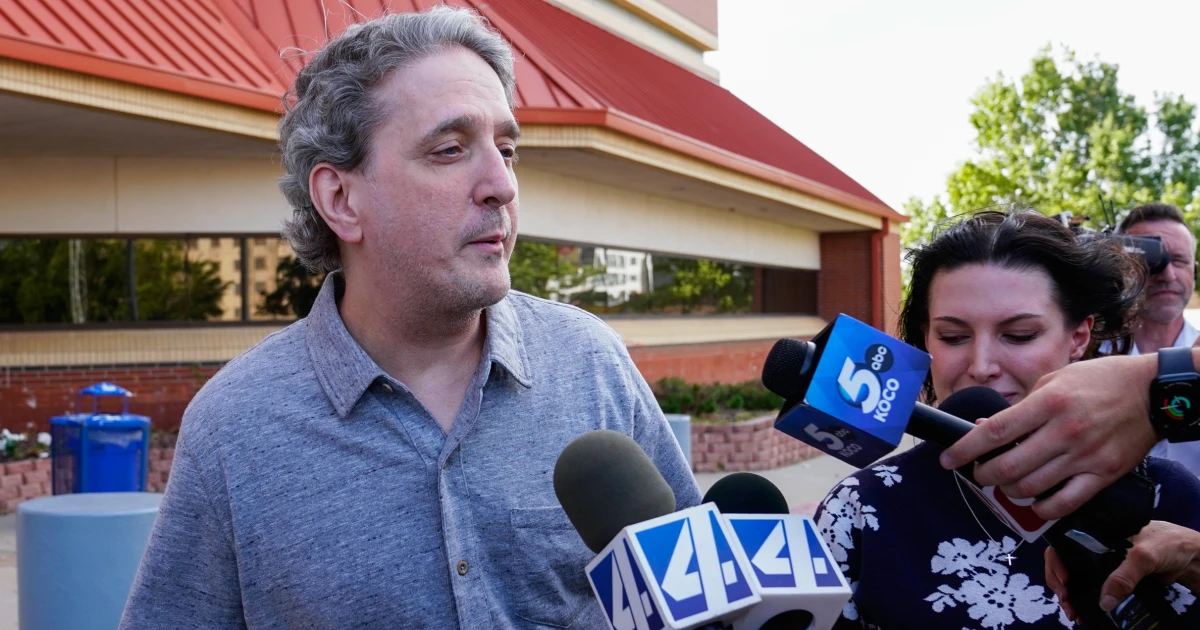
Richard Glossip walked out of an Oklahoma County jail Thursday with his wife, free on bond for the first time since his 1997 arrest, after a judge set his release terms ahead of a retrial the U.S. Supreme Court ordered last year. As Hannah Zieglerย reportedย for the New York Times, Judge Natalie Mai set Glossip’s bond at $500,000, requiring an electronic monitoring device and prohibiting contact with witnesses or travel outside Oklahoma. A group of supporters helped raise the bond money.

Glossip was convicted in 1998 and again in 2004 of arranging the murder of his employer, Barry Van Treese, through motel handyman Justin Sneed. The state set execution dates for him nine times. Two independent investigations later found that critical evidence had been withheld and that Sneed’s testimony, the cornerstone of the prosecution’s case, was faulty.

Oklahoma Attorney General Gentner Drummond, who had previously asked the Supreme Court to throw out Glossip’s conviction, said he would retry the case but would not again seek the death penalty. Glossip’s attorney Donald Knight said the bond ruling was unexpected and marked a step forward after what he called a decades-long nightmare.

Judge Mai wrote that a new trial free of error would give all parties and Oklahoma citizens the closure they deserve. Knight said the court’s decision had rejected the state’s claim of a strong case for guilt. Glossip told reporters outside the jail Thursday that it was overwhelming but amazing.

The point here is that the case was weak and there are serious doubts about his guilt. Had he been executed in one of the three previous occasions there would be no coming back. It could not be undone.

Sources: MSN, Oklahoma Watch, The Oklahoman. Picture NBC.


Florida and Iran: Key Insights from Recent Death Penalty Report


November 2025

We are pleased to attach the current death penalty report for mid October to mid November thanks to group member Lesley for the work in compiling it. Florida features quite strongly as does Iran which is executing young people – a truly horrific act. There is also material on Israel which is considering laws for Palestinians quite different from the Jewish population, an example of apartheid which operates there. We note as ever that even though China makes a brief entry, the country is believed to execute more of its citizens than the rest of the world combined but details are a state secret.

Latest posts:

Material on this site is free to use by other Amnesty or human rights groups.

World death penalty report


Report for mid July to mid August

August 2025

We are pleased to attach the latest report thanks to group member Lesley for the work in preparing it. As ever, we note that China does not appear despite possibly executing more of its citizens than the rest of the world combined but details are a state secret.

Mid-May to Mid-June Report Highlights


June 2025

We are pleased to attach the report for the period mid-May to mid-June thanks to group member Lesley for the work in compiling it. It is longer than usual reflecting the increasing activity in the US following President Trump’s actions on the use of the penalty. As ever, we must point out that the world’s biggest user of the penalty – China – who is believed to execute thousands of its citizens, is not present in the report because details are a state secret.

New trial for Richard Glossip


Death row inmate of 27 years to receive new trial

June 2025

Richard Glossip has been on death row in Oklahoma for 27 years and has been on the verge of execution nine times. His case went to the Supreme Court who found that a key witness had lied and that prosecutors had withheld information. The decision was vacated and Oklahoma’s Attorney General, Gentner Drummond, has ordered a new trial which is promised to be fair. He made clear however that he was not proclaiming his innocence.

The case illustrates a problem with the justice system if evidence which may cast a different light on a case is withheld by the police or prosecutors particularly evidence which is exculpatory. No one would pretend the UK system of justice is perfect but the system of discovery which demands that the defence team has access to relevant evidence before the trial, has been a key development in recent years. Too often in US trials by contrast, lack of this information or candour by the prosecutors has been a factor.

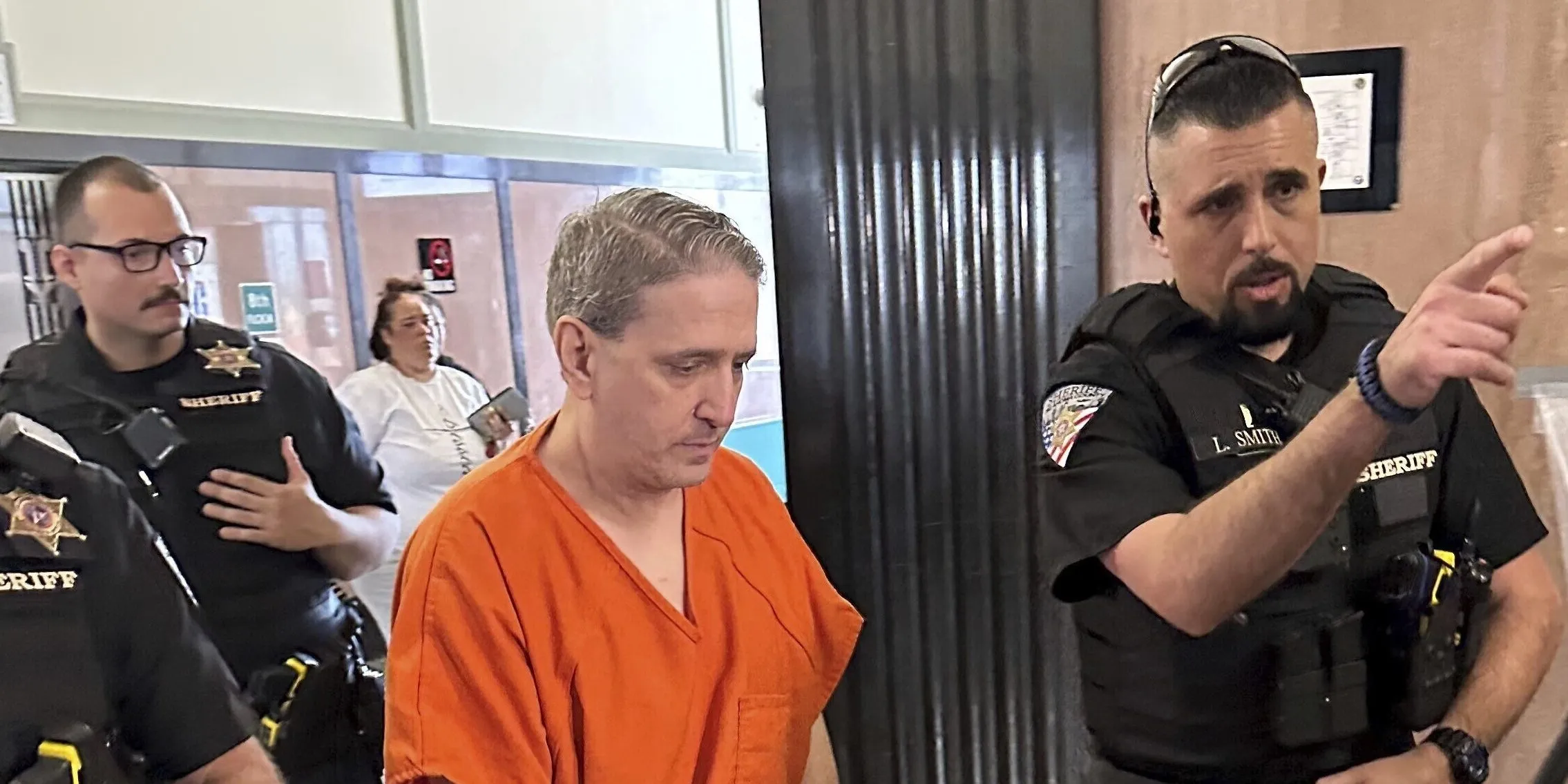
Richard Glossip (pictured, theintercept.com) may by now have been executed. At one planned execution it was discovered that the lethal drugs to be used did not match execution protocols which led to a suspension of executions in the state for seven years.

Glossip’s case is a clear example why capital punishment should not be used by a state. Simply put, mistakes cannot be rectified. Amnesty is against capital punishment in all circumstances. The US is the only state on the American continent to retain it. There is little evidence that it is effective. It brutalises the state. It is incredibly expensive. And as has been shown in the Glossip case, if false evidence was used to secure a conviction, then the mistake cannot be put right. In the USA around 130 people on death row have been found to be innocent since 1973. The country joins some reprehensible regimes such as China, Iran, Vietnam and Saudi Arabia which use the penalty against huge numbers of its citizens – in the case of China an unknown number since it is a state secret but it is believed to be thousands.

Sources: Death Penalty Information Center; NBC News; The Attorney General’s office; AP News; The Oklahoman.

Recent posts:

Richard Glossip case: latest


US Supreme Court rules that prosecutors violated ethical responsibilities

February 2025

The case of Richard Glossip in Oklahoma raises a number of interesting issues concerning the death penalty in the USA and in this case, the state of Oklahoma. In a 5-3 decision in Glossip v. Oklahoma issued on 25 February, the Supreme Court judges ruled that the prosecutors had ‘violated their duty to correct false testimony’. The prosecutors had also ‘suppressed material evidence concerning their star witness, Justin Sneed’ who actually committed the murder.

The case involved the murder in 1997 of Barry van Treese the owner of a motel. Sneed confessed to the killing and agreed a plea bargain claiming that Glossip had instructed him to carry out the murder. This saved him from execution. There are a number of factors which has made this a case attracting international attention.

There was very little corroboration evidence apart from the testimony of Sneed. Sneed’s mental state was not revealed to the defence (defense) team, nor was his untrustworthiness or that he had lied to the police. Glossip’s legal team has discovered that Sneed had discussed recanting his testimony before the original trial and since. This had not been revealed to them. Another not unusual factor is the doubtful quality of his defence counsel.

There is not doubt that Glossip has suffered much in the 27 years. He has had no less than nine execution dates and has eaten three ‘last meals’.

It is being said that this case will not have wider effects because so many elements are unusual. But it does highlight the problem of the death penalty. Had any one of the nine actually taken place, there would have been no chance of an appeal. If the criminal system has people willing to withhold evidence, then any chance of a fair trial is unlikely. It is also unwise to convict someone of the ultimate legal penalty without certainty which must mean at the very least, corroborative and trustworthy evidence. A defendant must also have first class attorneys to defend him. The testimony of an unreliable witness should be treated with great caution.

A new trial has been ordered.

Sources:

World Campaign Against the Death Penalty; BBC, The Hill.

Blog at WordPress.com.

Up ↑