
The Uyghurs are exploited across several different sectors
August 2026
We have focused on cotton in previous posts with estimates of around 20% of the cotton clothes we wear has been produced using forced labour. But it’s not only cotton, a large amount of raw materials, and products, are manufactured in Xinjiang also using Uyghur forced labour. This production includes 35% of polysilicon – the raw material used to make solar panels – is created in Xinjiang, along with 10% of global PVC production.
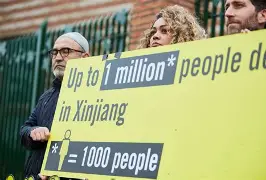
Although the UK is trying to combat modern slavery through the Modern Slavery Act 2015, this act has no enforceable legislation to prevent those products from entering the UK. As the EU and the US have stronger legislation in place, the UK risks being the dumping ground for products issued from Uyghur forced labour.
One way to tackle this issue is to contact your local council to urge them to adopt more stringent practices in their procurement contract to ensure the goods and services used by public bodies are not a result of Uyghur forced labour.
To shine some light on this issue, we are encouraging you to submit a question to Wiltshire Council to ask about processes and safeguards currently in place to prevent public bodies from procuring goods or services that are issued from forced labour. Some local councils have already adopted measures to address Uyghur forced labour, but you can still ask what is done practically to ensure the motion is respected. The address is:
Wiltshire Council, Bythesea Road, TROWBRIDGE, BA14 8JN. We could find no general point of contact and searches of their site revealed no relevant policies.
Some local councils give the chance to submit questions to be addressed by the mayor and councillors during meetings. For other councils, you may need to ask them directly how to submit a question, or contact a local councillor directly to engage with them.
Image: Amnesty USA


