May minutes and news


Group minutes, reports and news

May 2025

We are pleased to attach the minutes and news of the group’s activities thanks to group member Lesley for the work in preparing them. There is a list of future events at towards the end and if you are thinking of making contact, one of those would be a good opportunity. We shall be at People in the Park in Elizabeth Gardens, Salisbury on Saturday 17th from around 10:00 all day.

Death penalty report


Report for April – May

May 2025

We are pleased to attach the monthly death penalty report thanks to group member Lesley for the work in compiling it. As ever we remind our readers that China is believed to execute more of its citizens than the rest of the world combined but information is a state secret.

Death Penalty report


Death penalty report for mid March – April

April 2025

We are pleased to attach the group’s death penalty report thanks to group member Lesley for the work in compiling it. In a previous post (see below) we refer to the Amnesty annual report for 2024 which shows that while the number of countries using the report has held steady, the number of executions has risen markedly. We do not know of the huge number executed in China since the statistics are a state secret.

Japanese man released after 46 years


Hakamada Iwao released after serving 46 years on death row

March 2025

Hakamada Iwao has been released after spending a record 46 years on death row which is believed to be the longest such case in the world. He has been given $1.4m in compensation which hardly compensates for a lifetime of privation. He is now 89.

It has to be remembered that the Japanese system is particularly barbaric since there is no warning when the execution will actually take place. It means he has spent those years in prison awaiting an execution which could have happened at any moment.

Another factor is that he was never guilty. It is yet another example of police interrogation methods at the time. He was intensively interrogated and abused over a period of 20 days with no lawyer present. He was coerced into signing a confession – later withdrawn – and other documents were forged by the police. It is also probable that bloodstained clothing was tampered with by them as well.

People who argue for the death penalty have to face the fact of mistakes which cannot be rectified. People sometimes argue that why would someone sign a confession if they weren’t guilty? They forget that isolation, bad treatment, psychological pressure and constant interrogation can break most people.

It is disappointing to note that 83% of Japanese still support the penalty and increase of 2.3 percentage points from the last survey according to an article in the Asahi Shimbun. It does point out however that many people are unaware of the facts surrounding the penalty.

Amnesty opposes the death penalty in all circumstances.

Sources: Asahi Shimbun, Guardian, Amnesty International

[Some spellings are Hakamata]

Death penalty report


Report for mid February-March

March 2025

We are pleased to attach the latest report on this topic thanks to group member Lesley for the work on compiling it. The situation in US is mixed with the new president wanting to widen the scope of the penalty. To note as ever that China executes more than any other country but statistics are a state secret.

Richard Glossip case: latest


US Supreme Court rules that prosecutors violated ethical responsibilities

February 2025

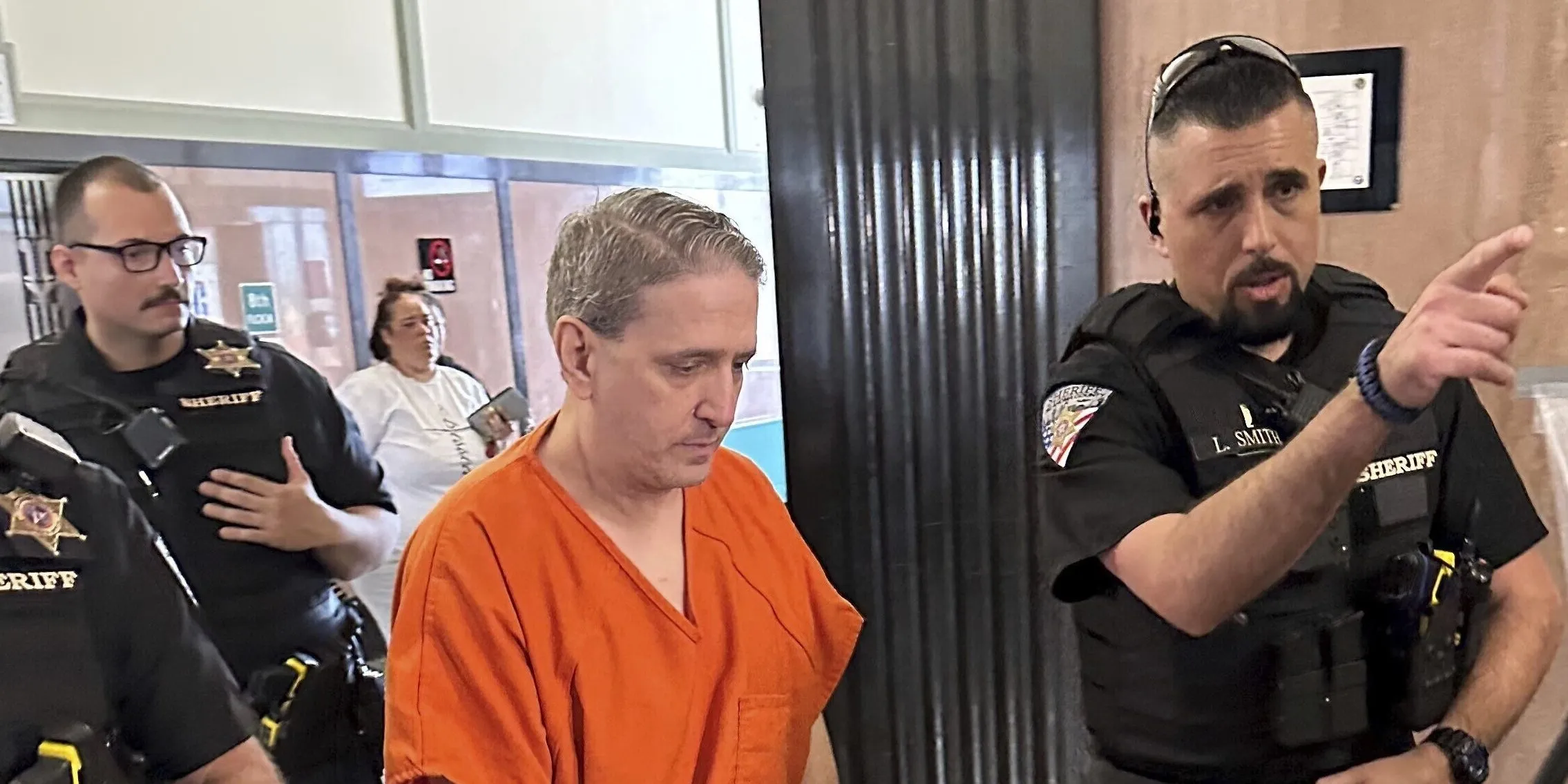
The case of Richard Glossip in Oklahoma raises a number of interesting issues concerning the death penalty in the USA and in this case, the state of Oklahoma. In a 5-3 decision in Glossip v. Oklahoma issued on 25 February, the Supreme Court judges ruled that the prosecutors had ‘violated their duty to correct false testimony’. The prosecutors had also ‘suppressed material evidence concerning their star witness, Justin Sneed’ who actually committed the murder.

The case involved the murder in 1997 of Barry van Treese the owner of a motel. Sneed confessed to the killing and agreed a plea bargain claiming that Glossip had instructed him to carry out the murder. This saved him from execution. There are a number of factors which has made this a case attracting international attention.

There was very little corroboration evidence apart from the testimony of Sneed. Sneed’s mental state was not revealed to the defence (defense) team, nor was his untrustworthiness or that he had lied to the police. Glossip’s legal team has discovered that Sneed had discussed recanting his testimony before the original trial and since. This had not been revealed to them. Another not unusual factor is the doubtful quality of his defence counsel.

There is not doubt that Glossip has suffered much in the 27 years. He has had no less than nine execution dates and has eaten three ‘last meals’.

It is being said that this case will not have wider effects because so many elements are unusual. But it does highlight the problem of the death penalty. Had any one of the nine actually taken place, there would have been no chance of an appeal. If the criminal system has people willing to withhold evidence, then any chance of a fair trial is unlikely. It is also unwise to convict someone of the ultimate legal penalty without certainty which must mean at the very least, corroborative and trustworthy evidence. A defendant must also have first class attorneys to defend him. The testimony of an unreliable witness should be treated with great caution.

A new trial has been ordered.

Sources:

World Campaign Against the Death Penalty; BBC, The Hill.

Harmful effects of the death penalty


The effects on those responsible for carrying out executions is often overlooked

February 2025

In discussions about executions the focus is, naturally enough, on the individual who is about to be put to death. We forget that there are many prison officers who are closely involved with those on death row, sometimes for many years, even decades. This post draws on material produced by the Death Penalty Information Center in the US for which we are grateful. The Salisbury group is focusing on the state of Oklahoma. We are grateful to group member Lesley for the work in compiling this.

Executions can cause prison staff to suf­fer psy­cho­log­i­cal dis­tress sim­i­lar to what vet­er­ans expe­ri­ence

after war. A 2022 NPR inves­ti­ga­tion found that cor­rec­tions offi­cers faced symp­toms such as insom­nia, night­mares, pan­ic attacks, sui­ci­dal thoughts, per­son­al­i­ty changes, and sub­stance abuse – all hall­marks or comor­bidi­ties of post-trau­mat­ic stress dis­or­der. Of the 16 peo­ple NPR inter­viewed who par­tic­i­pat­ed in exe­cu­tions, none sup­port­ed the death penal­ty in their wake. Psychologists use the term ​“moral injury” to describe how com­mit­ting an act that con­tra­dicts one’s deeply held beliefs, such as caus­ing anoth­er person’s death, cre­ates a severe psy­cho­log­i­cal dis­rup­tion. Robert Jay Lifton and Greg Mitchell coined the term ​“executioner stress” to describe the spe­cif­ic men­tal impact of car­ry­ing out the death penalty. 

The stress may also extend to guards who do not par­tic­i­pate in the exe­cu­tion itself, but devel­op close rela­tion­ships with death-sen­tenced pris­on­ers over the course of decades work­ing on death row. Some cor­rec­tions offi­cers have remarked that they spend more time with the peo­ple on death row than their own fam­i­lies. They may come to see the con­demned pris­on­ers as friends, or wit­ness the pris­on­ers’ men­tal or phys­i­cal vul­ner­a­bil­i­ties. In stud­ies, offi­cers have expressed con­cerns about the arbi­trari­ness of the death penal­ty, not­ing that they had worked with many peo­ple with life sen­tences who com­mit­ted equiv­a­lent or worse crimes than the peo­ple the offi­cers helped put to death. 

There is a part of the war­den that dies with his pris­on­er,”

The psy­cho­log­i­cal toll of per­form­ing exe­cu­tions is not a new phe­nom­e­non. Donald Cabana and Jerry Givens both con­duct­ed exe­cu­tions in the begin­ning of the mod­ern era, in the late 1970s and ear­ly 1980s, and went on to pub­licly oppose the death penal­ty. ​“There is a part of the war­den that dies with his pris­on­er,” Mr. Cabana often said.

Journalist Jennifer Gonnerman researched New York’s last four exe­cu­tion­ers, who over­saw the use of the elec­tric chair from 1913 through 1963, a peri­od dur­ing which hun­dreds of peo­ple were put to death. Several of the men expe­ri­enced med­ical issues around the time of exe­cu­tions, such as migraines or faint­ing spells. One, Robert Elliot, lat­er became a promi­nent death penal­ty abo­li­tion­ist. Two of the men, John Hulbert and Dow Hover, died by suicide. 

Yet prison staff have long faced a cul­ture of silence about exe­cu­tion-relat­ed trau­ma. ​“We don’t talk about it,” said Justin Jones, direc­tor of the Oklahoma Department of Corrections from 2005 to 2013, who joined the effort to increase the time between exe­cu­tions (see Oklahoma below.)  ​“Correctional offi­cers are pub­lic ser­vants on the low­est salaries in state gov­ern­ment, and they get home at the end of the day and just absorb it.” NPR’s inves­ti­ga­tion revealed that some exe­cu­tion team mem­bers had nev­er even told their fam­i­lies they par­tic­i­pat­ed. ​“We all knew to keep it silent,” said Catarino Escobar, who worked on the exe­cu­tion squad in Nevada. Mr. Escobar was strapped to the gur­ney when he played the pris­on­er dur­ing a prac­tice ses­sion, and he grew pan­icked and became con­vinced he was going to die. NPR found that only one of the offi­cers they inter­viewed had ever received men­tal health care relat­ed to their posi­tion, and even when care was offered, it was ​“over­whelm­ing­ly option­al” and ​“many of them avoid­ed ask­ing for it so as not to seem weak.” 

Oklahoma

In this con­text, uni­fied efforts by cor­rec­tions staff to address the psy­cho­log­i­cal effects of exe­cu­tions rep­re­sented a mile­stone. In March 2024 a group of nine for­mer Oklahoma cor­rec­tions offi­cials wrote a let­ter to Attorney General Gentner Drummond and, based on the detri­men­tal impact of the job and the lack of men­tal health sup­port, asked for an increase from a time of 60 to 90 days between executions. They not­ed that exe­cu­tion team mem­bers expe­ri­ence an increased risk of PTSD, sui­cide, and sub­stance abuse, and the gruelling prepa­ra­tion sched­ule puts staff mem­bers through­out the prison on edge due to ​“near-con­stant mock exe­cu­tions being con­duct­ed with­in earshot of pris­on­ers’ cells, staff offices, and vis­it­ing rooms.” With few state resources at their dis­pos­al, some employ­ees even resort­ed to talk­ing with defence men­tal health experts vis­it­ing the prison ​“about the dis­tress they are expe­ri­enc­ing due to the non­stop executions.” 

This com­pressed exe­cu­tion sched­ule also increas­es the risk of some­thing going wrong dur­ing the exe­cu­tion process because the stress cre­at­ed by each exe­cu­tion com­pounds the dif­fi­cul­ty of an already com­plex pro­ce­dure. If even a rou­tine exe­cu­tion can inflict last­ing harm on cor­rec­tions staff, the trau­mat­ic impact of a botched exe­cu­tion is expo­nen­tial­ly worse. Oklahoma has expe­ri­enced this harm on mul­ti­ple occa­sions and should not need­less­ly place its hard­work­ing cor­rec­tion­al staff at risk of anoth­er such mistake.

“Prison staff need to ‘man up'” Judge says

Judge Gary Lumpkin dismissed these concerns, telling officials that prison staff needed ‘to suck it up’ and ‘man up’.  Prison staff were report­ed­ly angered by Judge Lumpkin’s com­ments that they need­ed to ​“man up” and the sug­ges­tion that their con­cerns were not valid. ​“Anybody that thinks that exe­cut­ing some­body is no prob­lem has not been a part of the process,” said Justin ​“JJ” Humphrey, the state assem­bly chair of a crim­i­nal jus­tice and cor­rec­tions com­mit­tee and 20-year vet­er­an of the cor­rec­tions depart­ment. The Oklahoma Court of Criminal Appeals even­tu­al­ly grant­ed the exten­sion request in May. 

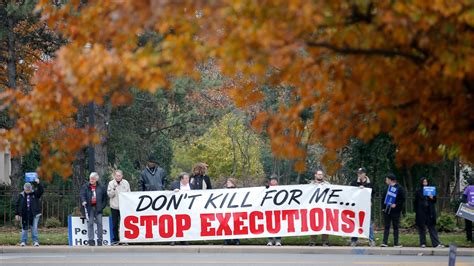
(Source: Death Penalty Information Centre – December 2024). Image: USA Today.

Follow us on Bluesky

February minutes and newsletter


February 2025

We have pleasure in attaching the minutes and newsletter of our last meeting thanks to group member Lesley for the work in preparing them. We say ‘newsletter’ because they are more than just minutes of the meeting as they contain reports on the refugee and immigration system, a report on the death penalty and a list of future activities.

Recent posts:

Death penalty report


February 2025

Here is the death penalty report for mid January to mid February thanks to group member Lesley for the work in compiling it. It is quite long! That is partly due to a lot of activity in America where executions are proceeding apace and the various executive orders being issued by President Trump.

Another event is the call for the return of the death penalty in the UK particularly by the Reform party. This occurs after a particular murder or murders in this case the dreadful murders of three little girls in Southport last year. Amnesty’s position is that it is never right to inflict a death sentence on someone, it does not act as a deterrent and mistakes cannot be put right if there is a wrongful conviction.

Death penalty report


Report for mid December to mid January 2025

January 2025

We are pleased to attach the latest death penalty report thanks to group member Lesley for the work in compiling this. Iran features in this report with the suspension of its draconian legislation on women who do not dress appropriately. As ever, we note that China is believed to be the world’s largest executioner of its citizens but details are a state secret.

Blog at WordPress.com.

Up ↑